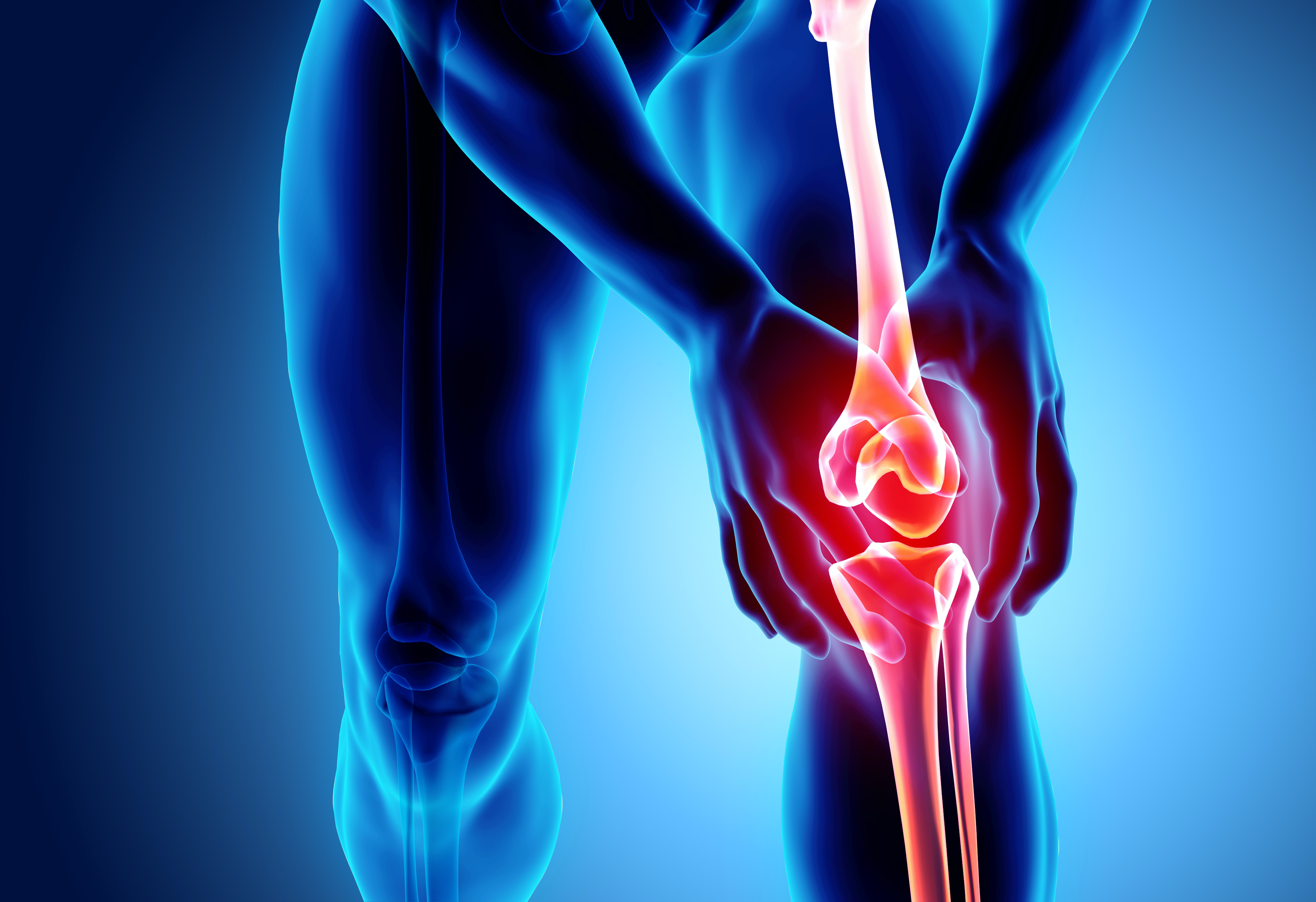
Osteoarthritis is the most common joint problem all over the world. It most often affects middle aged to elderly people but most are older than 60 years. It affects all joints, particularly the weight bearing joints like the hip and knee. In Nigeria, the most frequently affected joint is the knee, followed by the hip.
Many treatment programmes have been proven effective in the management of osteoarthritis. These range from physiotherapy to pharmacotherapy and surgery. Measuring the effectiveness of the treatments ensures optimal management, which is the most important part of clinical decision making.
One way to measure the effectiveness of treatments is outcome assessment. This is a measure of the consequences of the disease and the health changes over time health under treatment. Outcome assessment is crucial as it guides the management of the patient.
More importantly, outcome measures must reflect the environment, habits and lifestyle of the people they were originally developed for. Yet, almost all existing osteoathritis outcome measures exclude activities that are important to many patients we see in our clinic.
For example, some of the existing osteoarthritis outcome measures do not include the postures people adopt while carrying out daily activities peculiar to Nigeria. These include the Islamic praying posture (sitting on the back heels), incomplete kneeling (by females) or prostrating (by males) to show courtesy to elders while greeting.
Existing tools for assessing knee and hip osteoarthritis are largely relevant in a western cultural setting. They refer to activities such as “turning faucets off and on” and “walking several blocks”. The average Nigerian is not familiar with the concept of a block being equal to 100 metres and faucets are known as taps. The existing tools do not include numerous activities that are important to an average patient seen in a Nigerian clinic.
This prompted us to conduct research to develop an outcome measure that is sensitive to the Nigerian cultural setting. We included all important activities that reflect the sociocultural and religious activity of an average Nigerian.
The result is the first indigenous health measuring tool in the management of knee and hip osteoarthritis. It’s called the Ibadan Knee/Hip Osteoarthritis Outcome Measure.
Ibadan outcome measure tool
The relevant activities in our measure include tilling of land with a hoe, cutting grass, sweeping with a short broom and using pit toilets. In certain settings, females are expected to kneel on the floor or curtsy to greet an elder, while males are expected to prostrate, squat, or bow completely to the ground. Prayer is an important part of daily activities too.
The measure was specifically made for patients with knee and hip osteoarthritis as they accounted for 65%-78% of all osteoarthritis cases. In developing the Ibadan Knee/Hip Osteoarthritis Outcome Measure, we noted major areas of difficulty in physical functioning of an average Nigerian with knee and hip osteoarthritis. Selected items on this outcome measure were from other measures found in literature, as well as complaints of attending patients.
The Ibadan measure is divided into three parts. The first and second part can be used and completed by the patient through an oral or written interview. The third part is assessed by the health care professional. The first part assesses the disability in achieving activities of daily living. The second part assesses restriction in participation as a result of the knee or hip osteoarthritis. The third part comprises physical performance tests.
We assessed 49 patients with pain from knee or hip osteoarthritis and 49 individuals without knee or hip pain using the Ibadan Knee/Hip Osteoarthritis Outcome Measure. The patients’ physical function and pain intensity were assessed using our outcome measure and the Visual Analogue Scale, used to measure the intensity or frequency of various symptoms before and after a six week physiotherapy programme.
The Ibadan Knee/Hip Osteoarthritis Outcome Measure scores of the patients with pain from knee or hip osteoarthritis were lower than those of the 49 individuals without knee or hip pain. After the six week physiotherapy programme, the patients’ scores were lower than they were before the treatment. In addition, we found significant relationships between changes in Ibadan Knee/Hip Osteoarthritis Outcome Measure and Visual Analogue Scale scores of the osteoarthritis group before and after the six week physiotherapy programme.
The way forward
Since its development, our tool has been used to effectively measure the changes in health status of knee or hip osteoarthritis patients. It has also been used to evaluate the end result of therapeutic intervention. Its value is that it is able to measure what it is supposed to measure. This outcome measure is listed as one of the clinical tools in knee/hip osteoarthritis in Nigeria.
Health care professionals are encouraged to develop new outcome measures for other health conditions, too, with consideration for cultural sensitivity of the population, especially where such measures do not exist.
For existing measures in English, cross cultural adaptation of such measures into indigenous languages is necessary. The Ibadan Knee-Hip Osteoarthritis Outcome Measure was made available in the three major Nigerian languages so that individuals with knee or hip osteoarthritis who are not literate in English are not excluded from outcomes assessment. It is available for the management of knee and hip osteoarthritis management in Nigerian and similar African contexts.


