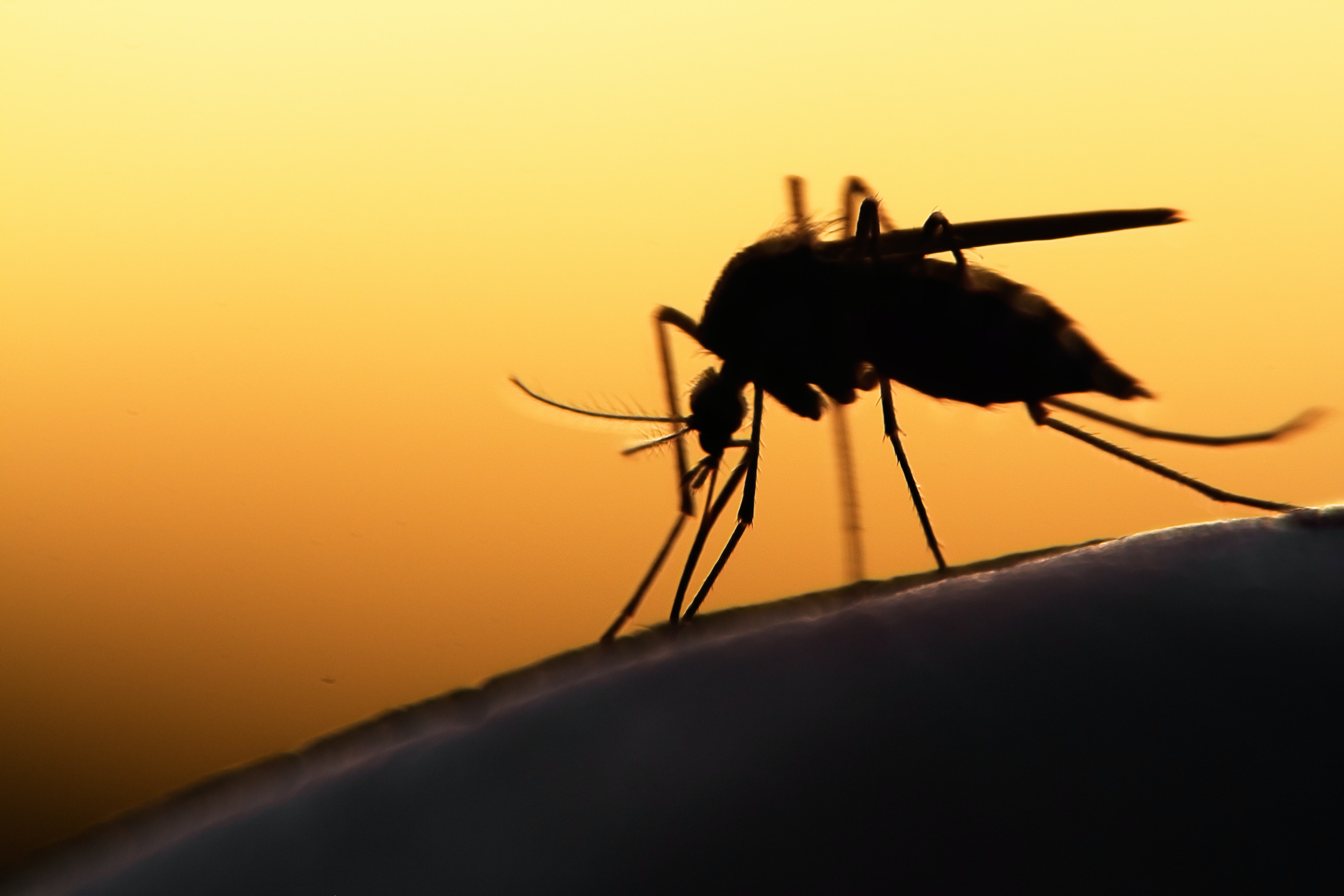
The Kenya Medical Research Institute recently detected an invasive mosquito species in Laisamis and Saku subcounties of Marsabit county in Kenya’s northern region.
This mosquito, Anopheles stephensi, is native to South Asia and the Middle East. It transmits the two malaria parasites that pose the greatest risk of severe illness and death: Plasmodium falciparum and Plasmodium vivax.
The detection of this mosquito poses a major public health threat to Kenya for several reasons.
Malaria transmission in Kenya has been largely limited to the coast and western parts of the country. This is far from its major urban centres. The areas where Anopheles stephensi has been detected are urban and peri-urban. This mosquito thrives in urban settings.
Until now, Kenya’s malaria transmission has been driven by Anopheles gambie and Anopheles funestus. These vectors don’t cope very well with polluted water in urban centres.
Anopheles stephensi on the other hand, can breed in cisterns, jerrycans, tyres, open tanks, sewers, overhead tanks, underground tanks and polluted environments. Furthermore, the mosquito is invasive. It spreads very fast to new areas. It can adapt to various climatic conditions, unlike the non-invasive malaria vectors whose survival in cold temperatures in high altitude areas is restricted.
The invasion by this mosquito could pose a significant threat to Kenya’s efforts to control and eliminate malaria. The country must take immediate action to assess the threat and put prevention strategies in place.
What are the consequences?
If Anopheles stephensi were to spread in a city like Nairobi, the consequences would be serious.
First, malaria could spread to the inner-city areas. Until now, these areas have had little or no transmission and their populations have not acquired immunity against malaria.
Secondly, urban development would no longer be assumed to contribute to malaria elimination. Urbanisation has added to many health problems. But it has tended to “build out” malaria through better housing and gradual pollution of the landscape. Traditional malaria vectors can’t breed in small containers or in water with organic pollution. The new invasive species may mean that the development of new suburbs is building malaria into the landscape.
Read more: Mosquito species from Asia poses growing risk to Africa’s anti-malaria efforts
Traditional malaria vectors are already finding space in urban areas because of extensive urban agriculture, untended green space, and unplanned urban sprawl with poor water management. Some of these characteristics have enabled mosquito vectors to maintain malaria transmission, in some cases like in Bioko Island, Equatorial New Guinea, at prevalence rates as high as 30% to 40%.
There is also the risk that malaria from the cities will be exported to the rural areas. Regions in western Kenya and the coast are likely to suffer from spikes especially during the seasons where town dwellers visit during holiday seasons like Christmas.
The densely populated urban centres in these regions are likely to suffer the most. They are seen as highly suitable for Anopheles stephensi expansion due to the high population and conducive environmental and ecological factors like warm temperatures.
Traditional anti-malaria tools such as insecticide residual spraying are harder to use against Anopheles stephensi because its resting and feeding behaviour are different from other vectors.
Anopheles stephensi has also proved to be resistant to most of the publicly available insecticides.
A few solutions
What can be done to stop the spread of this invasive species:
-
Increase collaboration and encourage integrated management. Since this is an urban malaria vector, the ministries of agriculture, health, education, environment, sanitation and water resources and county governments all need to work together. National responses to Anopheles stephensi should be integrated with efforts to control malaria and other mosquito-borne diseases, such as dengue fever, yellow fever and chikungunya.
-
Develop guidance for national malaria control programmes on appropriate ways to respond to Anopheles stephensi.
Read more: Invasive mosquito species could bring more malaria to Africa’s urban areas
-
Strengthen surveillance. The extent of the spread and the impact Anopheles stephensi has on malaria transmission in Kenya is not clear yet. Confirming both would be important in laying down management strategies to protect against disease outbreaks, particularly in urban settings, in the coming years.
-
Improve information exchange. Awareness of Anopheles stephensi should be boosted in communities most at risk. They should be advised to frequently replenish stored water for domestic use. People must also keep their environments free of discarded containers as these could be good breeding grounds for this invasive species.
-
A global policy and cross-border collaboration between the affected countries. Eradicating Anopheles stephensi from the Horn of Africa would be much cheaper in the long run than leaving it to spread to towns and cities.


