As the COVID-19 pandemic evolves, its complex connections with food security are developing too.
Lockdowns have disrupted livelihoods and trade. Food prices have increased. The World Food Programme estimates that over 270 million people are at risk of food insecurity around the globe – an increase from 135 million at the beginning of 2020.
The Food and Agriculture Organisation’s Committee on World Food Security has also noted the impact of the pandemic on hunger in low-income countries that rely on food imports.
About half of Africa’s population is estimated to be food insecure, according to McKinsey, though it also notes that “the continent’s agricultural and food systems retain some resilience” thanks to some recent strong harvests.
The pandemic has re-emphasised the need for policies that reduce reliance on food imports, protect local food systems and create local employment opportunities.
Countries need to support producers of nutritious foods that are suitable for local environments and accessible to the poor.
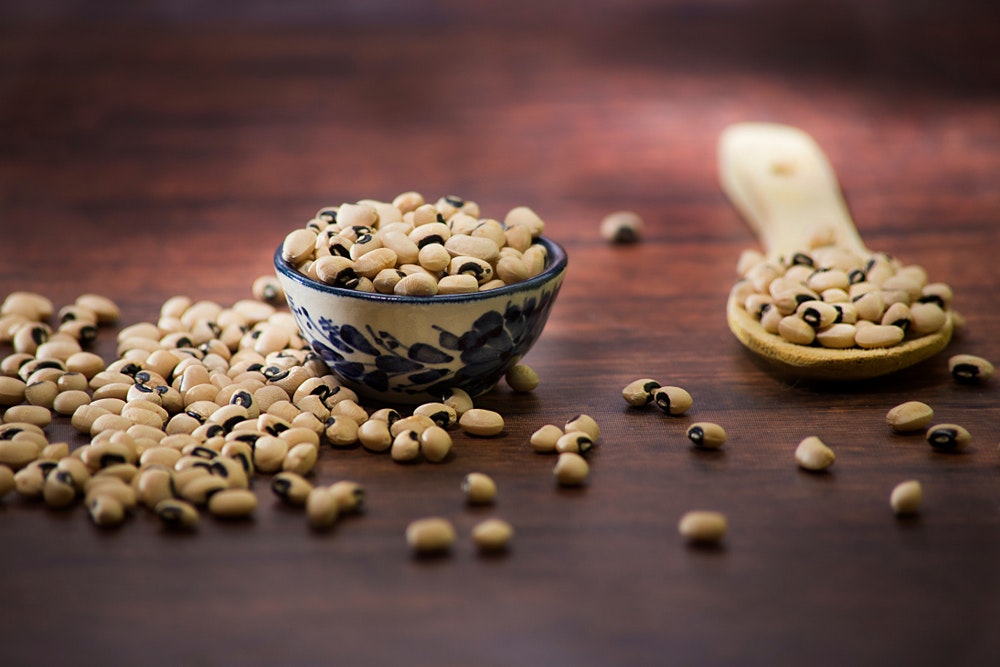
Examples of this kind of food are cowpeas and sorghum grains, which are both indigenous to many African countries. I conducted research into how they can be made into a nutritious ready-to-eat meal for young children.
Indigenous foods in local food systems
Indigenous and naturalised crops have the advantage of being suited to growing in a particular environment. Traditions develop around the preparation and serving of food made from these crops.
Sorghum and cowpeas are important crops with multiple food uses. Sorghum is the fifth most important cereal crop in the world and the most grown cereal in sub-Saharan Africa, after maize. Cowpeas are a pulse type of legume similar to common beans.
Both plants can thrive in all environments, especially in arid and semi-arid areas where other crops fail. They are often grown in mixed or inter-cropped systems in countries such as Niger, Nigeria, Malawi, Mozambique, Tanzania and Zimbabwe.
In South Africa both sorghum and cowpeas are commonly produced and consumed in the Limpopo, Gauteng, Mpumalanga, North West and KwaZulu-Natal provinces. They are a source of energy, protein, minerals and phytochemicals.
Both sorghum and cowpeas are a cost effective source of nutrition to improve the diets of low-income consumers and offer cost effective nutrition and income generation potential in many rural drought prone communities.
This is where my research came in. I tested technologies to develop an affordable product with enhanced mineral and protein content. The grains were dehulled to remove the outer seed coat, milled, and either micronised or extruded. Micronisation and extrusion are both high-temperature short time heat treatments. The result was a ready-to-eat sorghum and cowpea porridge supplemented with a cowpea leaf relish which proved to be suitable for the nutrition of young children.
The porridge contained good hydration properties, meaning it can easily be mixed with water to create an instant product with good protein and lysine content – which is an essential nutrient necessary for bodily functions such as mineral absorption and supporting the immune system. The product also had good iron and zinc bio-accessibility. This means that these nutrients have the ability to be released in the digestive system, making them available for absorption when consumed. The porridge meets at least 40% of the daily nutrient requirements of protein, iron and zinc for children in a daily serving.
My research revealed that the processing technologies used to make the porridge could be used in resource poor communities to reduce the cooking time of hard-to-cook legumes. The technology – involving infrared heat and steam – is an investment that smallholder farmers wanting to produce the meal can benefit from economically in the long term. An added benefit of these technologies is that they can enhance the nutritional value and reduce the anti-nutrient content of the meal produced from the grains. Anti-nutrients are compounds that prevent the absorption of some essential nutrients when a product that contains them is consumed.
In addition, using locally suitable technologies such as this to process food can create local businesses and employment opportunities.
Going forward
Even before the COVID-19 pandemic threatened food security worldwide, there was a need to promote sustainable food systems.
Now there is a growing interest and focus on transformation that will meet the demands of a growing world population with diminishing resources. Reducing the vulnerabilities that come with being too reliant on imported foods doesn’t mean cutting off all trade. It requires building diversity, decent livelihoods for workers and opportunities for small and medium-scale farmers in more sustainable local food supply chains.


