Nearly 300 years ago the Swedish botanist Carl Linnaeus secured his place in scientific history when he created what’s known as the binomial system. The year was 1737 and, due to the large diversity of plants and animals collected by naturalist explorers in different parts of the world, Linnaeus saw the need to develop a logical system to classify and group this material in a systematic way.
It’s a system that’s stood the test of time – his basic formula is still in use.
The naming convention applies to all biological organisms: plants, animals and bacteria. Each species receives a name consisting of two parts. The genus name is similar to a surname; all species that share this name are closely related. The second name is unique for each species within the genus. This combination creates a unique name for any described organism. Well known examples include Homo sapiens (modern humans) and Escherichia coli (bacteria).
One of the main benefits of assigning universally accepted distinct names is that it helps people, and particularly scientists, to clearly communicate about a specific organism, regardless of language or geographic barriers. Another boon is that unique names link all the available information on a species together. It also helps scientists to understand shared characteristics and relationships between organisms.
Naming decisions are not made in a vacuum. Although ideas of what species are and how to recognise them have developed over the past 300 years, the naming system as proposed by Linnaeus remained unchanged.
There are “rule books” for the naming of organisms, generally referred to as “codes”. There are different codes for naming animals, plants, algae and fungi, viruses and bacteria. The Botanical Code, which initially also dealt with bacteria, was first developed in 1867 and is revised every six years during the International Botanical Congress. The Bacterial Code was first published as a separate document in 1947 and was updated this year by the International Committee on Systematics of Prokaryotes.
But the existing code was not enough to deal with advances in technology that have changed how prokaryotes can be studied. So, a new, complementary code has been introduced.
A stable system
If the description of a new species meets all the requirements set out in the rules in the relevant code, the name will be validated – made permanent.
Each new species is also linked to type material: something concrete to compare other individuals against. The type can be represented by museum or herbarium examples, living cultures or even drawings.
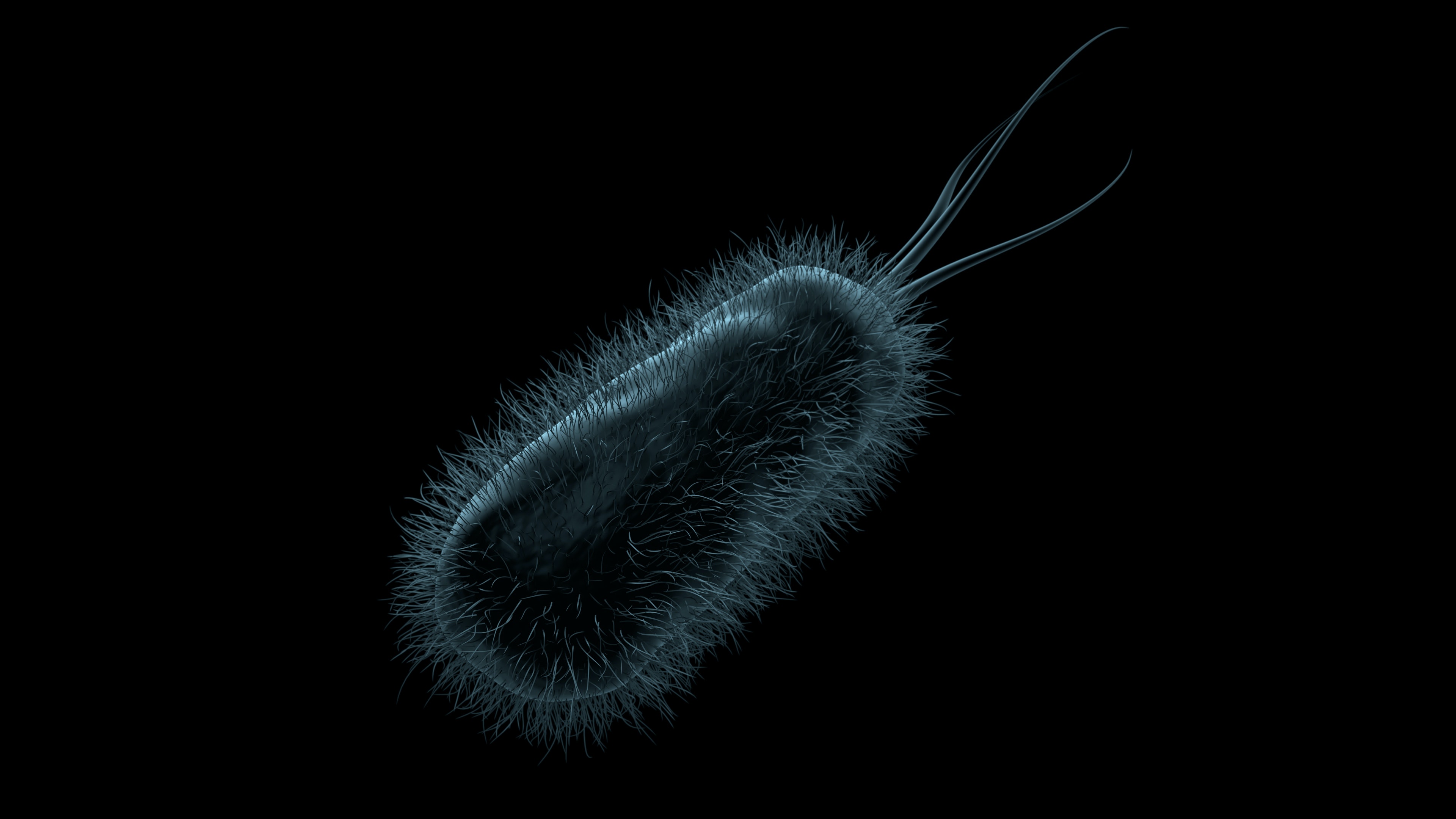
But this system doesn’t work well for prokaryotes. These single cell organisms, which don’t have nuclei, are commonly referred to as bacteria (though they also include the Archaea, a group of micro-organisms that are similar to but distinct from bacteria). Prokaryotes are named under the International Code of Nomenclature of Prokaryotes.
Unlike other disciplines’ naming rule books, this code is strict about type material: only a pure culture of the bacterium, available from collections in two different countries, counts as type material. But there’s a problem: most bacteria still can’t be grown in pure culture, on its own in a Petri dish in the laboratory.
Read more: Following a fungus from genes to tree disease: a journey in science
This means that, under the code, they could not be named.
A new initiative, SeqCode, will change the game by allowing DNA sequencing data to serve as the type. I was one of several biologists around the world involved in creating the SeqCode and I believe it is a great achievement.
A formal and stable naming system for all bacteria will help science to unlock the hidden potential of the planet’s biodiversity and to understand their role in the functioning of ecosystems. It will also help scientists to communicate their findings to each other – a big step towards perhaps identifying the next generation of antibiotics or cancer treatment.
Genome sequencing
It’s not known how many prokaryotic species there are – there could be millions or trillions. But so far only around 18,000 have been given permanent (valid) names. The increasing ubiquity of genome sequencing is an opportunity to change this. Rather than having to grow a prokaryotic species in a laboratory to then study and describe its characteristics, biologists can now sequence the organisms’ DNA directly from an environmental sample to obtain a complete or near complete genome. The genome is the DNA blueprint of the bacterium which encodes all the functions the organism will be able to perform.
Read more: Why African scientists are studying the genes of African species, and how they do it
The sequence data is stable enough and adequate to be used to recognise other members belonging to the same species.
In 2018 an international group of bacterial taxonomists and ecologists attended a workshop in the US, funded by the US National Science Foundation, to discuss the future of bacterial taxonomy. The attendees recognised that genome sequencing was a good, scientifically sound way to give many prokaryotes permanent names. This idea was supported by many other microbiologists around the world.
However, a proposal to change the existing code to allow genome sequences as types was not accepted by the International Committee on Systematics of Prokaryotes. With the support of the International Society for Microbial Ecology, some of the meeting attendees began discussing other possibilities.
The idea of an entirely separate code for naming genomically described prokaryotes emerged. Wide consultation followed and, in September 2022, SeqCode – or, to give it its full name, the Code of Nomenclature of Prokaryotes Described from Sequence Data, was launched.
This doesn’t replace the existing code. Bacteria can still be named under the Bacterial Code when a pure culture is available.
It is possible that, in coming years, similar adjustments might be made to – or new codes created for – naming other genomically described micro-organisms such as yeasts and other fungi.


