Africa can’t let maternity care slide during the coronavirus pandemic:
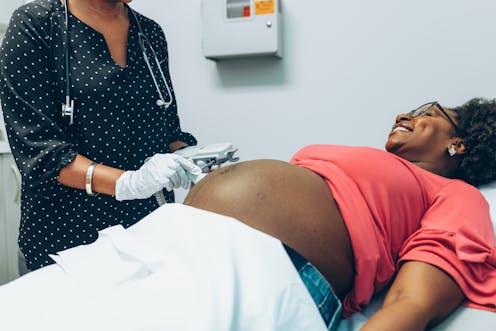
Amid global commitments to defeat, or at least minimise, the pervasive effects of the COVID-19 pandemic, the impact on the African continent remains unclear. African governments have moved quickly to mobilise resources and strengthen their emergency preparedness and response capacities.
But particular attention needs to be paid to the most vulnerable members of the population. There are ongoing discussions on pressing health issues including women’s health.
More than two-thirds of the world’s maternal deaths happen in sub-Saharan Africa. The leading cause of maternal deaths is inadequate access to quality care during pregnancy or delivery or after birth.
The world has committed to improving maternal health through quality care. But the use of maternal health services in sub-Saharan Africa remains low. More than four-fifths of all maternal deaths are directly linked to poor and inadequate maternity services during pregnancy and childbirth and six weeks after birth.
COVID-19 and measures put in place to curb its spread may worsen the already poor access to quality maternal health services in parts of the continent. For example, the ongoing transmission mitigation strategies such as lockdown and curfews may intensify the dire consequences brought on by the lack of access to quality health services and by pre-existing maternal health problems. And struggling health systems may not have adequate capacity and space to attend to these routine healthcare needs.
Affected services
The use of maternal health services including antenatal care, skilled delivery and postnatal care has a significant impact on the overall health of the mother. But health systems across the continent may not be able to handle the situation in the event of mass infections.
For instance, during the 2014 Ebola outbreak in West Africa, the World Health Organisation (WHO) suggested that there was a significant reduction in maternal and newborn health care use. This was mainly due to stretched healthcare systems. Evidence of this is the absence of referrals for complicated cases. There was also less adherence to treatment protocols.
The WHO also warned that this could lead to poor maternal and newborn health unless backed by the provision of context-specific services.
Evidence from recent empirical studies from Guinea, Liberia and Sierra Leone supports this. They showed a significant reduction in the uptake of essential maternal health services during the Ebola outbreak. This had persistent effects after the crisis ended.
Consequently, the outbreak pushed back the positive strides that had been achieved in maternal health in the region.
What women need
Women in many African countries already have difficulty getting decent pre- and postnatal care. They face delays in getting appropriate medical help for a pregnancy-related emergency, reaching an appropriate facility and receiving adequate care when a facility is reached.
This, in turn, diminishes access to respectful, skilled, comprehensive and culturally appropriate maternal healthcare.
These weaknesses could be worsened by “staying at home and physical distancing” measures. And COVID-19 disruptions may lead to shortages in the supply chain for maternal life-saving medicines. This may specifically affect emergency pregnancy services, including deliveries that require critical care.
In addition, pregnancy aggravated or pre-existing conditions including poor access to nutrition may put pregnant mothers at more risk.
The way forward
The African context requires a unique approach to enhance maternal health during the COVID-19 crisis. Special efforts must be made to create awareness about which maternal health services are available – routinely and during lockdowns and curfews.
These may include strengthening media coverage to motivate mothers to access services, with all precautionary measures in place. Additional measures also need to be taken. For example, Kenya has reviewed community health volunteers’ work packages so that they are motivated to do home-to-home visits, provide counselling and identify mothers who need special care. This could be enhanced through referrals to the next level health facility. The country has also developed a practical guideline to ensure the continuity of maternal and newborn services.
Initiatives like this need to be scaled up across the region. Health facilities must also make standby maternity rooms available to ensure that maternity care can be offered in safe conditions.
And positive lessons from the Ebola outbreak in West Africa could guide the ongoing efforts. For instance, a consortium of international organisations including the WHO, UNICEF and Save the Children made recommendations to key stakeholders on what needed to be done differently to minimise the impact of the outbreak on maternal and newborn health.
The consortium developed guidelines to identify, train and incentivise frontline health care workers – such as community health workers – to provide contexualised maternal and newborn healthcare services during pregnancy and childbirth and after birth.
The guidelines reiterated that the implementation of these initiatives needed to be backed by appropriate policy, supervision and monitoring and evaluation. Experiences from the implementation of these emergency response plans and mitigation strategies showed some positive results in maternal and newborn health.
The Centers for Disease Control and Prevention also urged special screening and care for vulnerable pregnant women.
These lessons should be applied by countries in sub-Saharan Africa managing their way through the coronavirus pandemic.

Amanuel Abajobir does not work for, consult, own shares in or receive funding from any company or organization that would benefit from this article, and has disclosed no relevant affiliations beyond their academic appointment.
Source: The Conversation – Articles (AFRICA)
Read more on The Conversation.
Join the fun: Add Your event | Submit a Press Release | Add your listing.


