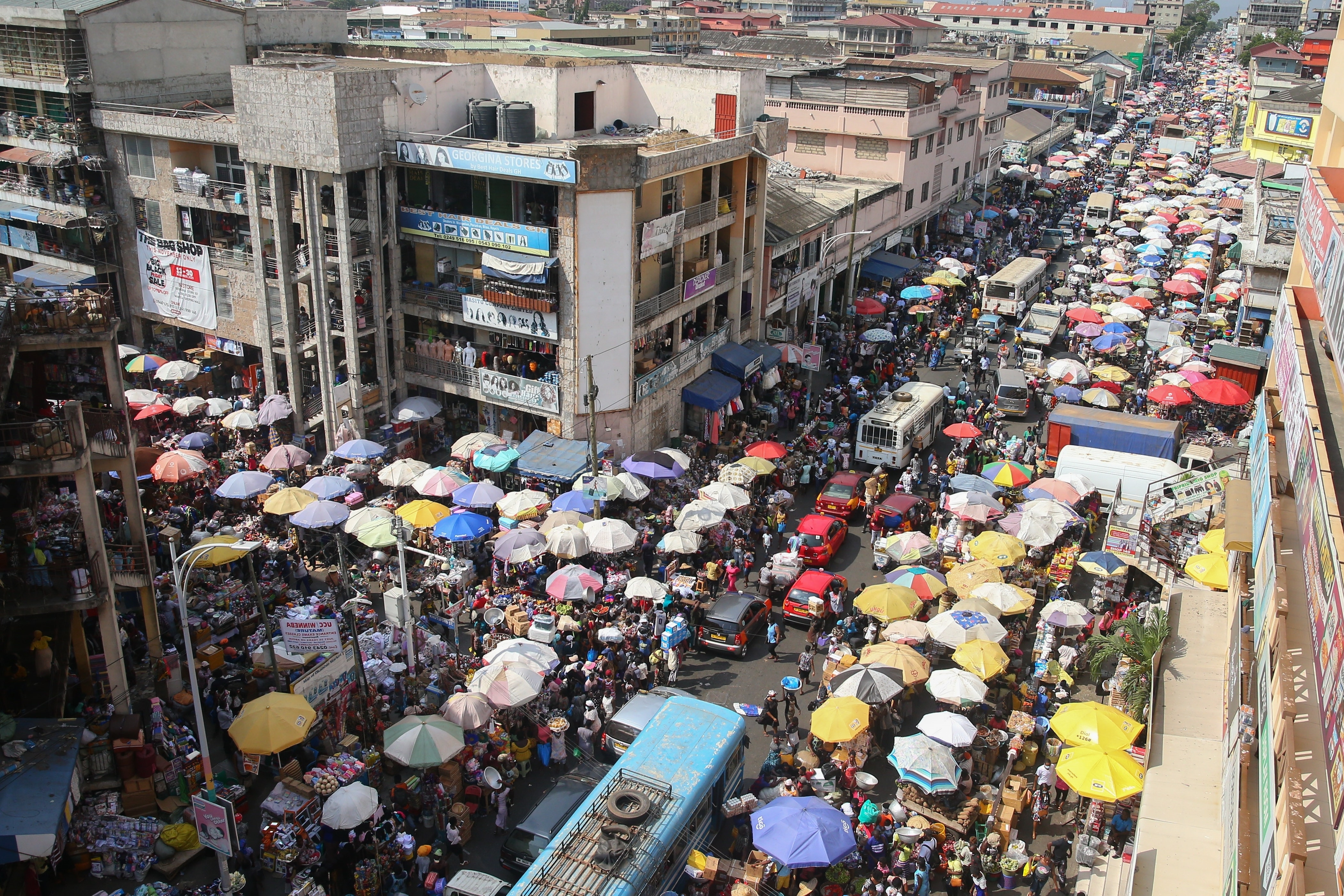
African cities are rapidly urbanising and already experiencing considerable negative impacts of urbanisation. The production of urban spaces in African cities is frequently characterised as unsustainable.
This is due to factors such as slum proliferation, haphazard development and traffic congestion. And also because of evolving socio-economic activities associated with urban spaces, like unregulated informal activities and increased poverty. This situation is compounded by global health pandemics such as COVID-19 and climate change. These are predisposing African cities to increased vulnerability, including flood events.
Urban planning has been identified as having the capacity to support sustainable urban development in African cities. It can foster healthier environments and lifestyles. It can create healthy and resilient cities. Yet, it has also been blamed for adding to urban problems. It does so through neglect, segregation and non-participation.
If the purpose of urban planning is for human and planetary health, then why not adequately engage with it to address urban development problems in African cities? In a recent paper I argue that citizen engagement is key to improving the way Africa’s cities are planned.
Troubled history
The history of urban planning in Africa indicates that it was introduced during colonisation to address health problems in cities. It was a highly specialised technical activity performed by experts from Europe. There was little or no involvement of the cities being planned for. Decisions were largely an imposition of colonial ideals.
While it produced some benefits, such as addressing sanitation concerns, it was also used as a colonial tool of domination and control. It contributed to spatial and economic segregation.
In Ghana, urban planning was used to develop the resource-rich south while the north was left undeveloped. Similarly, in South Africa, urban planning was used during apartheid to create spatial segregation.
Read more: Can COVID-19 inspire a new way of planning African cities?
After independence there was hope of reform. But unfortunately, colonial urban planning legislation and practices were adapted in post-colonial Africa to cope with the implications of burgeoning urbanisation, with limited practical reforms.
Today, most African cities are faced with the dilemma of developing more functionally integrated, spatially coherent, economically competitive, environmentally sustainable and socially inclusive urban environments. In the shadow of rapid urbanisation, what has emerged is unplanned and unregulated city growth and expansion, and with it increased poverty.
Major urban planning conflicts revolve around haphazardly growing informal settlements. These are characterised by poor sanitation services, congestion and ramshackle housing, often surrounded by indescribable filth. These unplanned and unserviced communities house nearly three-quarters of Africa’s urban population.
New approach needed
Yet effective urban planning still seems an appropriate way to address these many urban development challenges in African cities. Especially in this era of urbanisation, climate change and increasing urban poverty.
In theory, urban planning should lead to the creation of much needed socioeconomic opportunities, both locally and nationally. At the same time it should provide a strong incentive to manage nature’s strongholds in a way that conserves them.
In reality, though, urban planning practices remain relics of colonisation. They are elitist and demonstrate limited inclusiveness.
Colonisation, rapid urbanisation and limited resources are often identified as contributing to poor urban planning. A new approach to urban planning is needed to restore hope in African cities.
Read more: People in Accra’s slums know green spaces are important: planners should take heed
There is limited focus on urban planning education among urban residents. There is limited public knowledge on what planning is and what benefits it offers. Similarly, research indicates poor public interest and participation in urban planning due to limited education.
My paper discusses three guidelines to improve planning knowledge among residents. These can help change the urban planning narrative on the continent.
Three keys to a better future
1. Visibility
Poor visibility of urban planning is a major hurdle. Many ordinary residents in African cities do not know the value or purpose of urban planning. Agencies and city authorities should urgently improve urban planning visibility through mainstream and social media platforms.
For example, regular social media posts on the practice of urban planning in African cities can increase public knowledge. Mainstream media can support in educating the public on the importance of urban planning in local languages. A conscious engagement of local religious and tribal leaders on key issues can increase the knowledge levels and acceptance of urban planning in African cities.
It is only when urban residents understand urban planning that meaningful outcomes can be achieved.
2. Local knowledge
Urban planning in African cities remains exclusionary. It is an act of the elites and practice of the professionals, with limited involvement of urban communities. This encourages apathy among residents. It puts them at the receiving end of whatever plans that evolved.
Valuing local knowledge and inputs in urban planning processes and practices means involving and respecting urban residents in all dimensions of urban development. It means reflecting community orientation in all its complexity. Especially those in informal settlements who often do not have an organised voice.
Valuing local knowledge and inputs in urban planning promotes transparency and accountability through collaboration. This is essential in addressing ongoing and emerging development issues such as climate change that affect all sectors of the urban economy. These sectors include social, economic, institutional, cultural, financial, environmental and physical or spatial components of the urban economy.
3. The vulnerable
It’s important to identify and integrate vulnerable stakeholders and sectors in urban planning practice. This will improve public knowledge in two ways.
Firstly, it will ensure that all stakeholders receive adequate attention and become aware of urban planning capacity. Particularly the interests of weaker and vulnerable urban residents (like the elderly, the disabled and children) are often overlooked. Secondly, it will ensure adequate consideration for all sectors of the economy, including the informal sector, and will contribute to improved preparedness towards addressing critical challenges of climate change, urban poverty and rapid urbanisation.
Read more: There’s a disconnect between research and urban planning in Africa: how to fix it
Addressing issues of rapid urbanisation, climate change and persistent urban poverty in African cities may lie in the involvement of residents and their support for inclusive urban systems. Residents support for, and understanding of urban planning would contribute to inclusive and spatially integrated cities, and would provide sustainable and efficient living and working environments.
Without strong resident support and involvement, African cities may continue to prove highly problematic and undesirable for habitation in the future.


