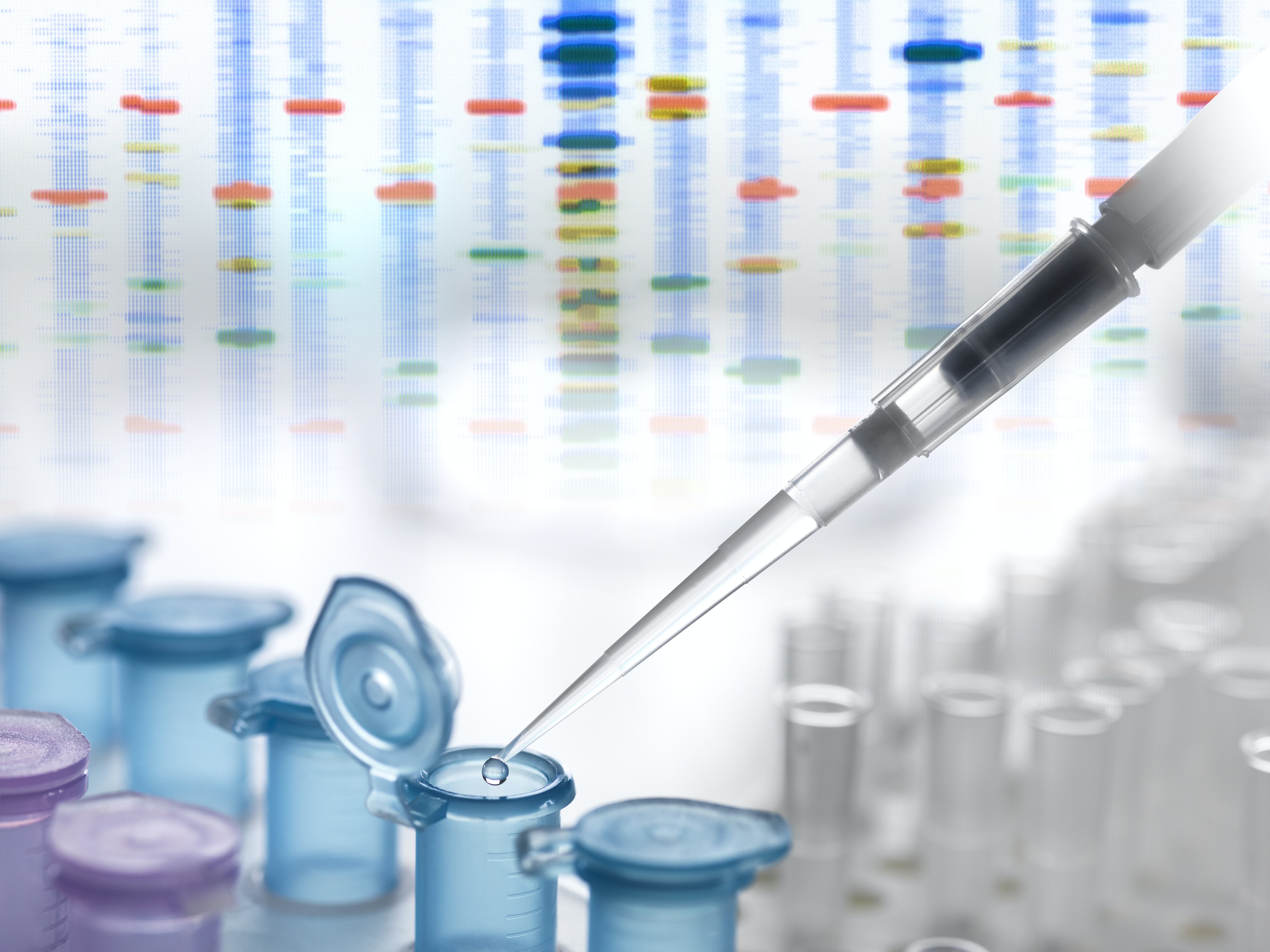
A group of Nigerian scientists, in conjunction with the London School of Hygiene and Tropical Medicine, established the Noncommunicable Diseases Genetic Heritage Study consortium in February 2020. The aim is to produce a comprehensive catalogue of human genetic variation in Nigeria and assess the burden of noncommunicable diseases in 100,000 adults in the country. The Conversation Africa asked genetic epidemiologist Segun Fatumo, one of the leaders of the consortium, to explain what they are doing and why.
How does Africa feature in global genomics?
Until recently, only about 3% of genomic data being used for genome-wide association studies came from people of African descent. Unfortunately, this proportion has fallen even further, to 1.1% in 2021. This means people of African descent may miss out on the potential benefits of genomic research, including early detection of disease and rational drug design.
The current lack of genomic diversity has led to major scientific opportunities being missed. One study which included people of African descent discovered a gene called PCSK9 which helps in lowering bad cholesterol. This study led to new drugs that help prevent heart disease. This benefits everyone irrespective of their ancestry populations. It wouldn’t have been possible without including people of African descent.
Africans have the most diverse genomes of all the human populations because modern humans originated in Africa and then spread across the globe over the past 80,000 years. Therefore, studying the genome of Africans could uncover genetic variants not found in other populations. Such genes could yield new ways to diagnose, prevent and treat diseases for everyone.
What does the consortium plan to do?
We teamed up with 54gene, a health technology platform company that’s building diverse datasets to unlock scientific discoveries. Together we established the NonCommunicable Diseases Genetic Heritage Study consortium. One aim is to develop a catalogue of human genetic variation in 100,000 adults in Nigeria. This will be the largest genomic data resource ever to come from continental Africa. It will be of great value to genomics researchers globally and may help in the prevention and control of noncommunicable diseases in sub-Saharan Africa.
The other aim is to assess Nigeria’s burden of disease. We’re looking at things like haematological cancers and cardiovascular, neurodegenerative, metabolic, kidney function and sickle cell disorders.
Our consortium could serve as a template for large-scale genomics across the continent. We hope it will advance precision medicine and offer insights that will improve the health and well-being of African and global populations.
The consortium has five points on its agenda:
-
address health issues of concern for Africans and other populations
-
ensure projects meet the highest ethical, legal and socially appropriate standards for research
-
generate, process, store and use large genomic datasets
-
build research capacity
-
develop leaders for genomics in Africa.
The first step is to collect samples. A minimum of 100,000 research participants have been recruited and samples of biological material like blood and urine have been stored for further genomic studies.
Next is to design a small chip that is able to capture a picture of somebody’s DNA sequence. There are three billion base pairs in any human genome. The chip will capture at least one million genetic variants that are important for different diseases. We are also developing other studies using the whole-genome DNA sequence of all three billion base pairs.
We will also be fostering a scientific community that will empower African genomics scientists to be leaders in the genomic world. We want more people in Africa to be in a position to write the continent’s own genomics agenda.
Why focus on Nigeria?
First, Nigeria has one of the most diverse ethnolinguistic concentrations in the world, with more than 300 ethnic groups and 500 languages. This diversity is taken as a proxy for potential genetic diversity, as seen in other populations. Data from the Nigerian population provides an excellent lens to look at the genetic diversity of African people. This will ensure that most genetic variations are captured.
Second, with over 200 million people, Nigeria represents a quarter of the African population. We are recruiting people from across the six geopolitical zones in Nigeria.
With 100,000 research participants, we will be able to estimate the prevalence of noncommunicable diseases in the population, and understand the associated risk factors.
We are poised to provide information that could be used to develop tools for the early detection of diseases, disease prevention strategies and treatment options.
What other initiatives are there on the continent?
Our effort will complement other initiatives like H3Africa, Uganda Genome Resource and a few others.
H3Africa was launched in 2012. It has recruited close to 100,000 research participants for genomic research in the last decade and trained over 1,000 African scientists, including me.
The African Centre of Excellence for Genomics of Infectious Diseases is another successful Nigerian-based initiative. It is making an impact through training, discovery and surveillance of infectious pathogens.
The Nigerian Bioinformatics and Genomics Network is another. It is fostering genetic research collaboration and provides opportunities for career development in genomics and bioinformatics.
The Uganda Genome Resource is currently one of the largest and most successful genomic initiatives in Africa. In 2019, a rich, diverse resource was published using data from 6,400 Ugandans. It includes whole genome sequencing of nearly 2,000 people.
Aminu Yakubu and Babatunde Olusola helped research this article.


