Africa’s growing lead battery industry is causing extensive contamination:
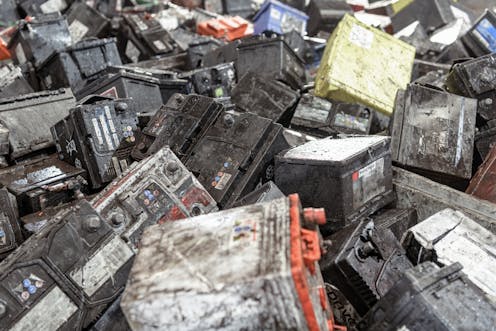
Africa is facing a serious lead poisoning problem. In Senegal, for example, researchers linked the deaths of children from processing lead waste to supply a lead battery recycling plant in a poor suburb of Dakar. Villagers supply lead waste to the plant for compensation.
In Kenya, the legacy of a shutdown lead-recycling plant is causing major health problems for people living in the neighbourhood. And in Nigeria an investigation by journalists showed how lead battery recycling facilities were poisoning workers and the people living in the area.
The problem is growing along with the market for lead batteries. This is due to lack of regulation and investment in environmentally sound battery recycling plants. Most facilities in Africa are small. They weren’t built with adequate pollution controls to prevent disasters and ongoing contamination.
The production of lead batteries is growing rapidly in Africa as the market for lead batteries expands. Global lead output continues to grow, with about 85% production going to make batteries.
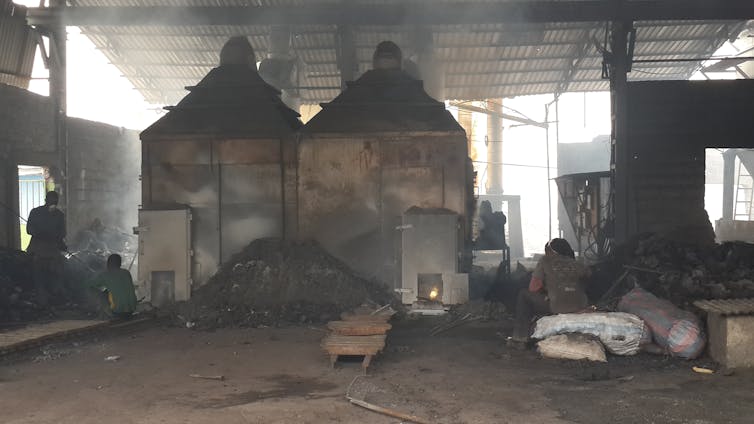
We conducted a study around lead battery recycling plants in Cameroon, Ghana, Kenya, Mozambique, Nigeria, Tanzania and Tunisia. Our results showed significant lead contamination around 15 licensed battery recycling plants. This shows that informal sector recycling is not the only source of lead pollution.
Other studies have also reported excessive emissions from lead acid battery manufacturing and recycling plants in low and middle-income countries.
Our findings contribute to the growing body of research in documenting lead contamination around licensed recycling plants across Africa. This underscores the need for urgent action. This should include putting in place regulatory systems.
Growing problem
At the 15 facilities we tested, 85% of the soil sampled from inside and outside the plants exceeded 80 parts per million (ppm). This is the health hazard level used in California. Piles of used battery cases and waste slag (residues) were responsible for some of the soil contamination. But excessive airborne emissions are the largest source.
This extensive soil lead contamination is a significant source of human exposure across the region. We found that these hazardous sites are often adjacent to residential areas, agricultural and grazing lands.
In recent years, the United Nations Environment Assembly has begun to recognise the growing threat of lead battery recycling to public health and the environment. In 2016, it passed a resolution noting the lack of adequate infrastructure needed to recycle the rapidly growing number of used lead-acid batteries. It noted that there was a “need to further reduce releases, emissions and exposures”.
Despite this call and the urgent need for continued intervention, there’s been minimal effort by African governments.
Unlike electronic waste, lead battery recycling is a profitable enterprise that can be safely done without any subsidies. Countries such as China have enforced minimum size requirements for recycling facilities to ensure that adequate emission control technology can be cost effective.
In the US and Europe effective take-back schemes ensure that lead batteries are collected back at the end of their useful life. These measures are key to ensuring that used batteries go to regulated facilities and aren’t diverted to the informal sector.
What is needed
Our research points to the need for regional and national level action across the continent. This should include the establishment of comprehensive industry-specific regulations.
There must be performance requirements in place for stack emissions, ambient air levels, minimum production capacity for new and existing recycling plants and occupational exposure limits for airborne emissions and blood lead levels.
There’s also a need to attract investment to build efficient facilities with proper emission control technology. Along with these measures, governments should put strategies that should require manufacturers and distributors to take back used batteries in order to consolidate this hazardous waste stream.
Without formal collection systems there’s no financial incentive for battery recycling companies to invest in suitable infrastructure as they are competing against the informal sector.
As our study shows, land use restrictions in most countries on the continent have been ineffective in separating hazardous recycling plants from residential areas. This has resulted in harm to human health.
The industry needs to be more transparent. Battery makers and recyclers should report emissions and alert the public about soil lead contamination.
The remediation of contaminated soils under these circumstance is complex and costly. The regulatory system should ensure that financial resources are available for the anticipated cost of remediation following plant closure.
Comprehensive awareness programmes about the associated health impacts are critical to the communities since most contaminated sites only come to light after reported deaths or cases of severe lead poisoning are identified.
Perry Gottesfeld, the Executive Director of Occupational Knowledge International, was a co-author of the research and also contributed to this article.

Faridah Hussein Were consults for UN Environment where she receives funding to enhance environmentally sound management of used lead acid battery activities.
Source: The Conversation – Articles (AFRICA)
Read more on The Conversation.
Join the fun: Add Your event | Submit a Press Release | Add your listing.


