Ten more African cities have signed on to the C40 Clean Air Cities Declaration to improve air quality. C40 is an international group of mayors collaborating to make cities more environmentally sustainable.
In May 2022, Abidjan, Accra, Addis Ababa, Dakar, Ekurhuleni, Freetown, Johannesburg, Lagos, Nairobi and Tshwane joined Durban, the first African city to sign the declaration.
As part of the C40 pledge, city leaders have committed to actions to tackle air pollution and slow human-caused changes in climate. These include actions such as setting targets that follow the World Health Organisation’s clean air guidelines.
This is a welcome commitment, as air pollution is a leading burden on global health. More than 6.5 million people die prematurely from exposure to air pollution each year worldwide. And air quality is worsening in African cities during a period of rapid growth and development. African cities are forecast to grow by 3 – 31% annually from now until the end of the century. This is far steeper than growth rates in Indian cities, at about 1 – 3% per year.
A major challenge in combating air pollution in Africa’s cities is the scarcity of data. Air quality is not monitored in most cities and resources to compile inventories of the types and sizes of sources contributing to air pollution are lacking. All these efforts are costly and require sustained, long-term funding.
Publicly available data from satellite observations provide a picture of multiple air pollutants. In our recent study, we sampled these data over fast-growing cities in the tropics, including 26 in Africa. Our investigation covered a 14-year period between 2005 and 2018.
We determined that the quality of air is declining at unprecedented rates. We found that the cause is a shift from rural to urban sources and that combined worsening air quality and population growth is linked to 180,000 additional premature deaths.
Such harmful effects will persist without bold air quality policies.
Shift in pollution
For centuries, air pollution in Africa has been dominated by open burning of biomass. This is a common practice by farmers in the dry season to clear land and to prepare for the next sowing season. The smoke produced is full of pollutants, bad for people and the environment.
This is now changing, in cities at least.
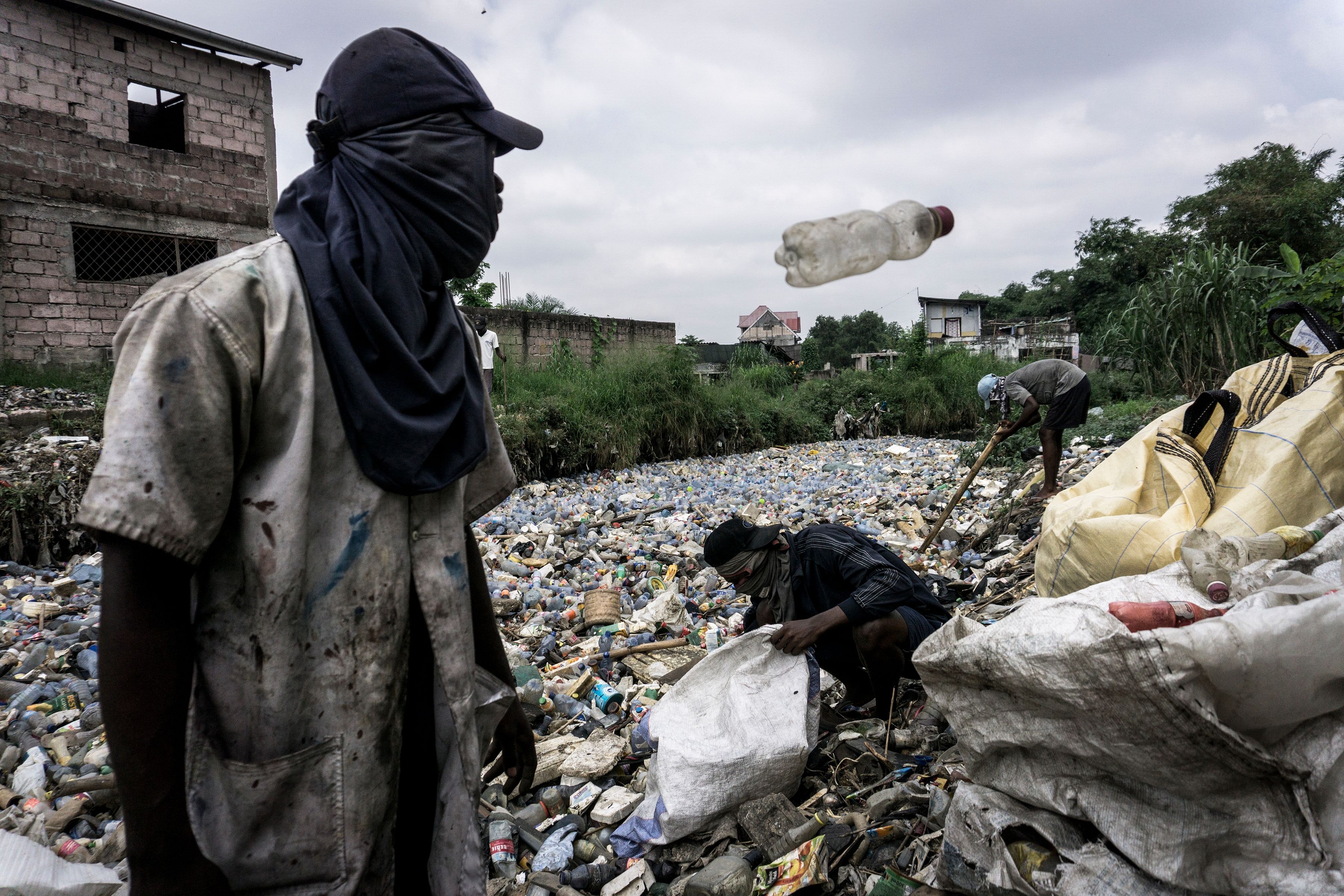
In our analysis we identified that urban pollution sources have surpassed rural biomass burning as the main cause for worsening air pollution in cities. Satellite observations are too coarse (~10 km) to pinpoint the exact sources, but we can speculate that these include road traffic, burning of waste, and household use of fuels like charcoal and wood.
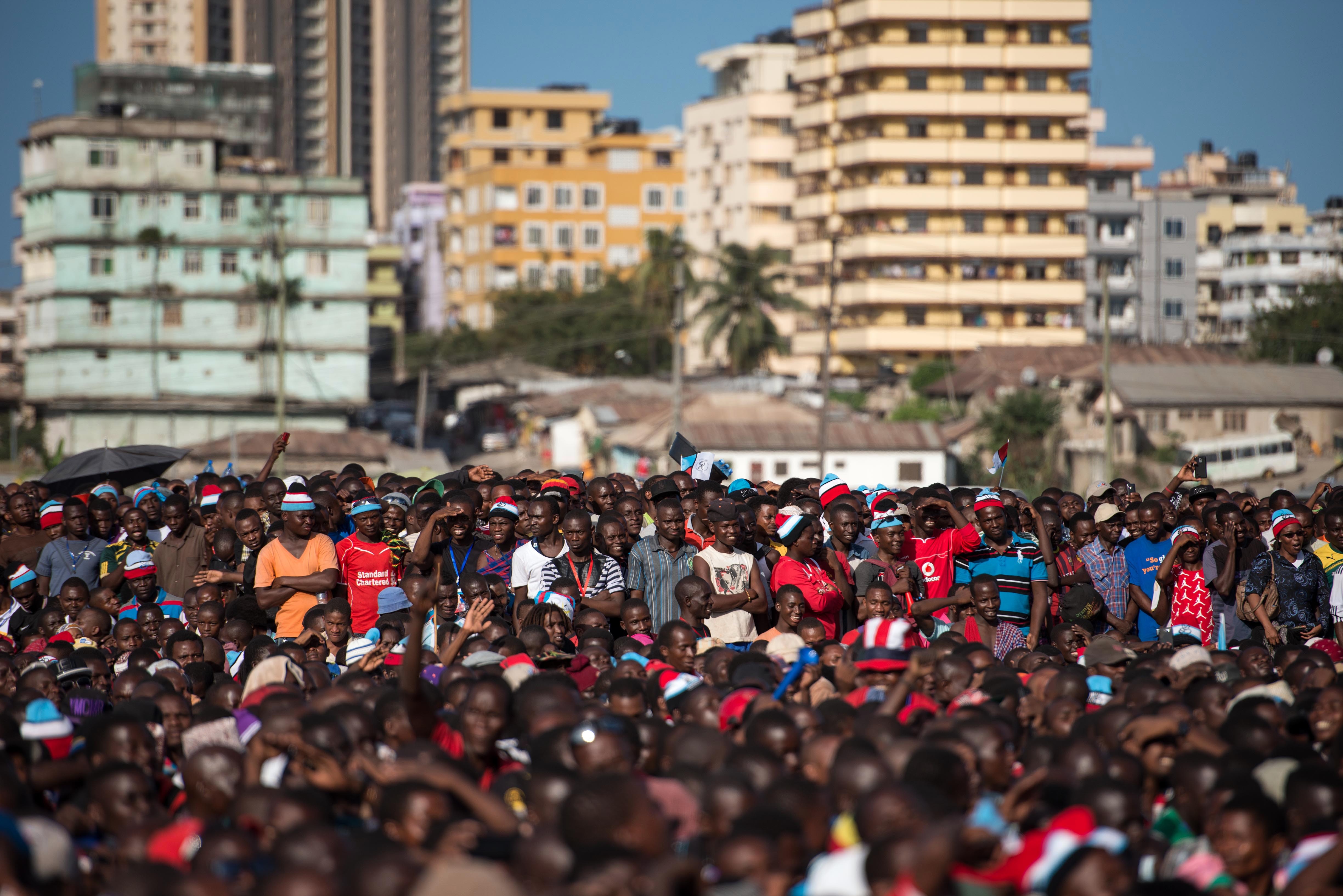
Our study focused on the fastest growing cities in the tropics. Amongst these are Lagos (population 15.4 million people growing at 3.5% per year) in Nigeria, Dar es Salaam (population 7.4 million people, 5.1% per year) in Tanzania, and Kinshasa (population 15.6 million people, 4.4% per year) in the Democratic Republic of the Congo.
The air quality indicators we tracked were fine particulate matter pollution (PM2.5) and the gas-phase compounds nitrogen dioxide (NO2), ammonia (NH3), and volatile organic compounds (VOCs). These either directly impact health (PM2.5, NO2) or form air pollutants that do (VOCs, NH3). These can all be produced from traffic, and burning of household waste and fuel.
Health hazards
The shift from rural to urban sources, combined with rapid population growth, is leading to more people living in closer proximity to air pollution and worsening population health.
Of most concern is PM2.5, as these particles are about 30 times smaller than the diameter of a strand of human hair. PM2.5 penetrate deep into our lungs and go on to have a range of effects on health, leading to premature death. Most prominent are heart disease, stroke, chronic obstructive pulmonary disease, lung cancer, and lower respiratory infections.
We used health risk assessment and atmospheric chemistry models, along with the satellite data, to estimate that premature mortality from sustained exposure to these small particles has steadily increased in 21 of the fastest growing cities in Africa. It’s risen from 84,000 in 2005 to 110,000 in 2018. This is on average about 2,000 avoidable deaths each year.
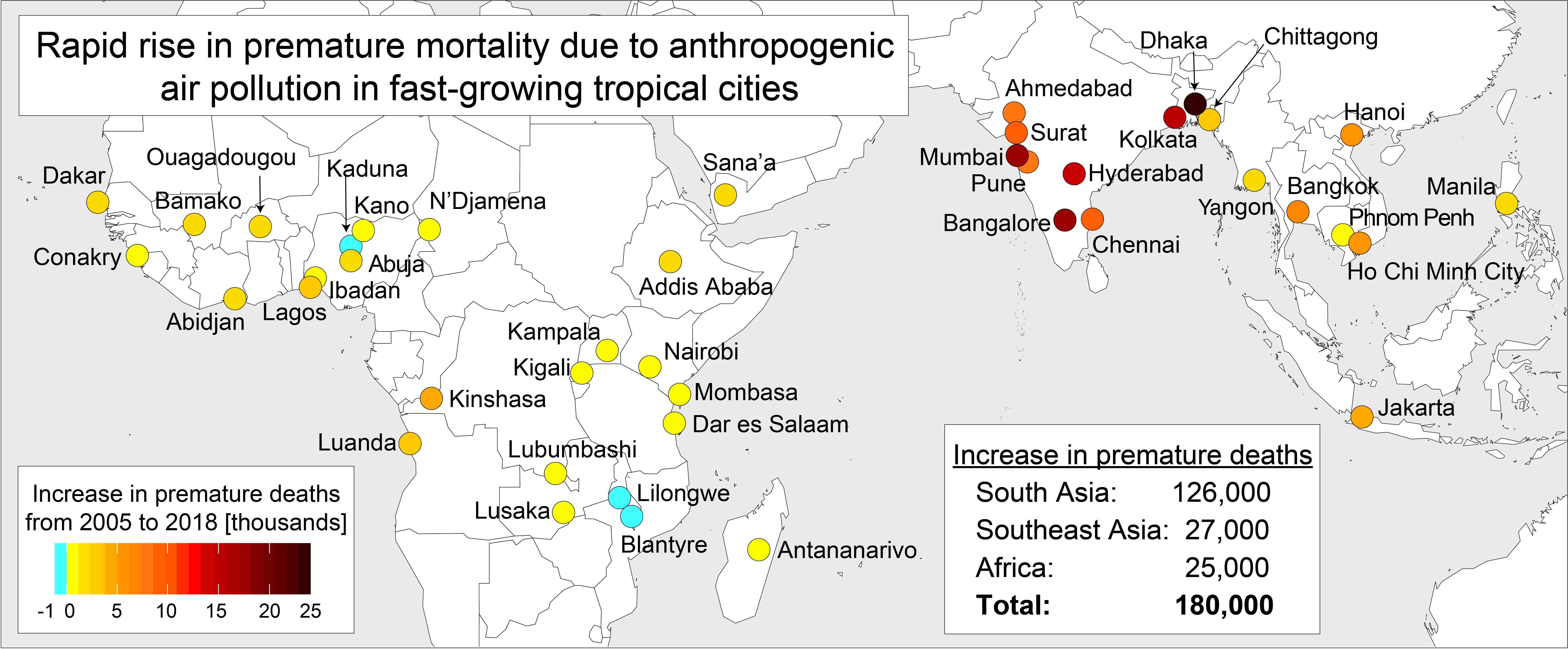
A third of these deaths are in five of the 10 cities that have signed on to the C40 declaration: Abidjan, Addis Ababa, Dakar, Lagos and Nairobi. The steepest increase in early deaths of about 300 people per year is in Kinshasa, a city yet to join the pledge.
The number of people dying prematurely from exposure to air pollution is three times lower in African cities than in Asia, where the shift to urban sources of air pollution is well under way or has already occurred. This is in part because improvements in healthcare in Africa are counteracting the adverse effects of air pollution on health leading to decline in overall mortality. In Addis Ababa in Ethiopia, for example, the number of deaths could have been almost double the values we estimated without improvements in healthcare. But this offsetting won’t last if air quality continues to degrade and healthcare improvements taper off.
Twenty-six cities in Africa are predicted to be megacities by 2100, reaching unprecedented sizes. By 2100, Lagos may be home to 80 million people; more than double the current largest city of Tokyo.
Access to emission control and renewable energy technologies are cheaper and easier to use than ever before. The C40 pledges are a step in the right direction, but more cities need to join to safeguard public health across the continent.


