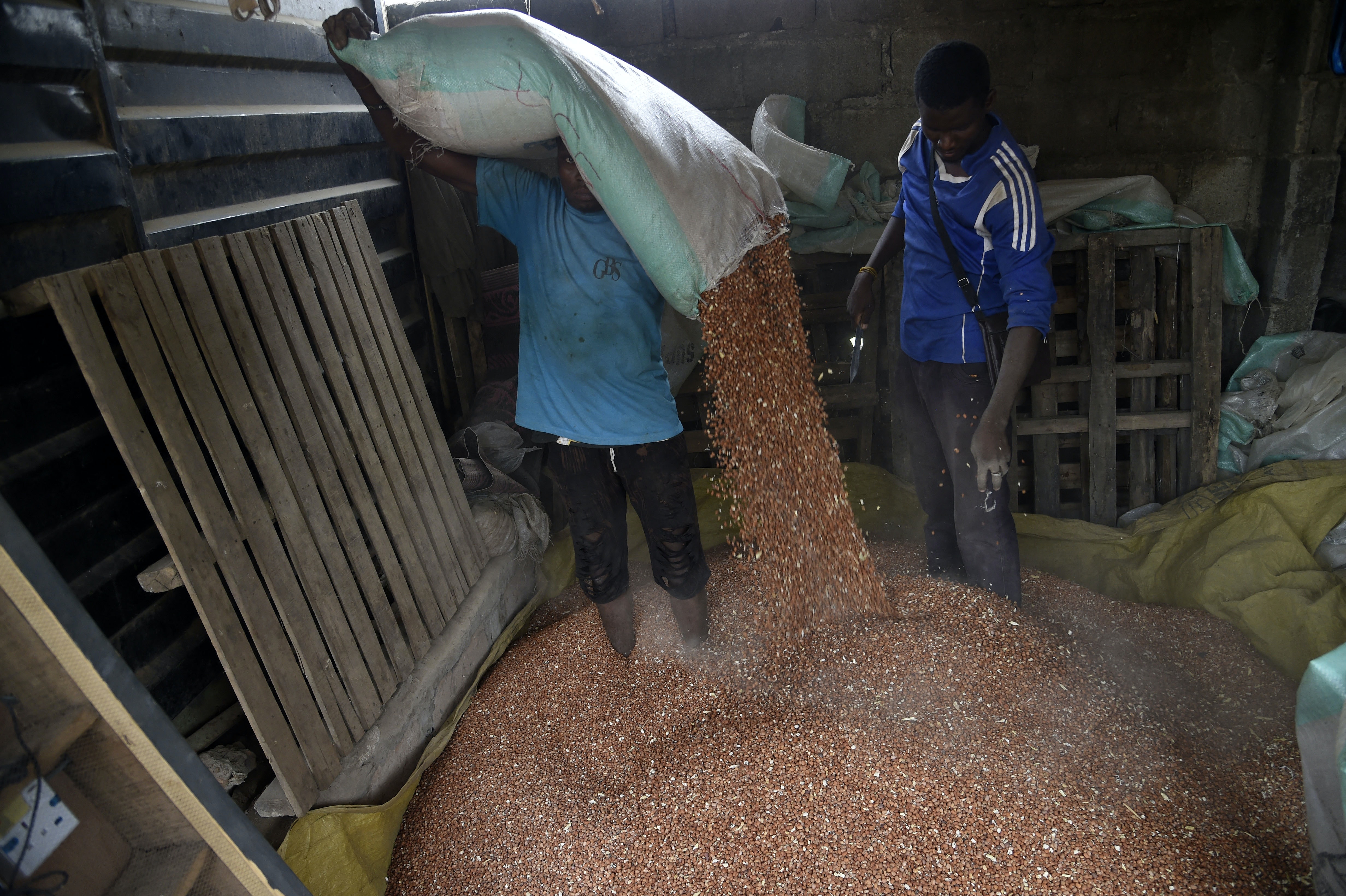
The beans known as oloyin in Yoruba, or as cowpeas (Vigna unguiculata),
are a favourite food among Nigerians, who eat them in a variety of dishes including soups and stews or as a standalone side dish.
This is great news for Nigerians’ nutritional health. Beans are an excellent source of fibre and protein, as well as minerals like copper, potassium and magnesium, which have health benefits for people. That’s a lot of nutrition packed into a small food. What’s more, beans contain a lot of antioxidants, which help shield your body from cancer-causing free radicals.
But there are potential dangers lurking in your tins or bags of beans. They’re so tiny you might not easily spot them: bean beetles (Callosobruchus maculatus), also known as weevils. The adult’s body is about 2mm to 5.4mm long and they can be identified by the brownish and black markings on the elytra or wing covers.
Consuming the bugs can lead to digestive issues because the adult bean beetle harbours a gut bacterial community. The bacteria get into the human gut and upset the balance of the human gut bacteria. Imbalances in gut bacteria have been linked to a number of human health problems including metabolic and immune disorders.
And even if you don’t swallow them, the weevils can spoil your meal – they cause beans to rot.
Unfortunately Nigeria has turned to dangerous chemicals to tackle the weevil problem. A pesticide called Phostoxin – a trade name for aluminium phosphide and ammonium carbonate – is highly poisonous to humans.
Nigeria used to export its dried beans. In 2013, the European Union placed a ban on dried beans originating from the country. Moves by the Nigerian government and farmers since then to get the ban lifted have been futile and it remains in place. This is due to the discovery of high residues of pesticide found in bags of dried beans. The chemical is stored in tablets, which are then placed into the bags. Rinsing or boiling the beans doesn’t get rid of the highly toxic chemical.
As an agricultural entomologist who has studied the impact of pests on different crops, I would like to suggest four safe techniques that Nigerians can use to protect their beans from beetles without using toxic materials. These methods can preserve beans for up to a year and you won’t waste money by losing beans to weevils.
Freezing
Freezing is a well-established preservation method used to maintain the freshness of perishable food products. It is a great way to preserve beans against weevils. You can simply put the beans in a freezer bag in the freezer. Beans can also be frozen in ice cube trays. Freezing has the capacity to prevent clean beans from being infested as well as salvaging beans already infested with bean beetle. All the beetles and any eggs on the bean will be killed by freezing.
Add pepper
The ratio here is 10 beans to one dried pepper.
Put the beans with the pepper in an airtight container and keep it in a safe place. The bean beetles and their immature stages, including eggs, will be suffocated and die. This method is useful where there is an irregular supply of electricity – a situation most Nigerians know too well. Using pepper retard the growth of adult and larva weevils during storage period.
You could also use the same storage method with three spoonfuls of orange peel powder to 15kg of beans.
Drying
Drying reduces the moisture content of beans and makes them easier to store for future use. Simply put the beans in a heat accumulator dryer and reduce the moisture content below 12%. For those who don’t have a heat accumulator dryer, solar drying will help too. Sun-dry the beans periodically in a thin layer for periods of up to four hours. Solar heaters or transparent bags of seeds left in the sun can provide excellent control of bean beetle infestations. This method can be used to control bean beetle infestations without affecting seed germination when small lots are stored. Sun-drying can also give beans substantial protection.
Preserve them in oil
Beans can be preserved in oil and stored for future use. Heat the oil and add the beans. I must add that an organoleptic test is yet to be carried out to ascertain the taste of beans preserved in oil after cooking. Organoleptic testing involves the assessment of flavour, odour, appearance and mouthfeel of a food product. While there has been no formal lab test of taste, it’s a method people use to preserve beans.
Next steps
No matter what storage method you use, it’s important to check your beans before cooking. You can do this by sniffing them or looking for anything that looks out of place or doesn’t look like a bean. Sometimes you can perceive the odour of the chemicals used in preserving the beans. Another method is to put a few beans in water; any chemicals will float to the surface as an oil film. You should discard such beans as rinsing does not help: they are contaminated.


