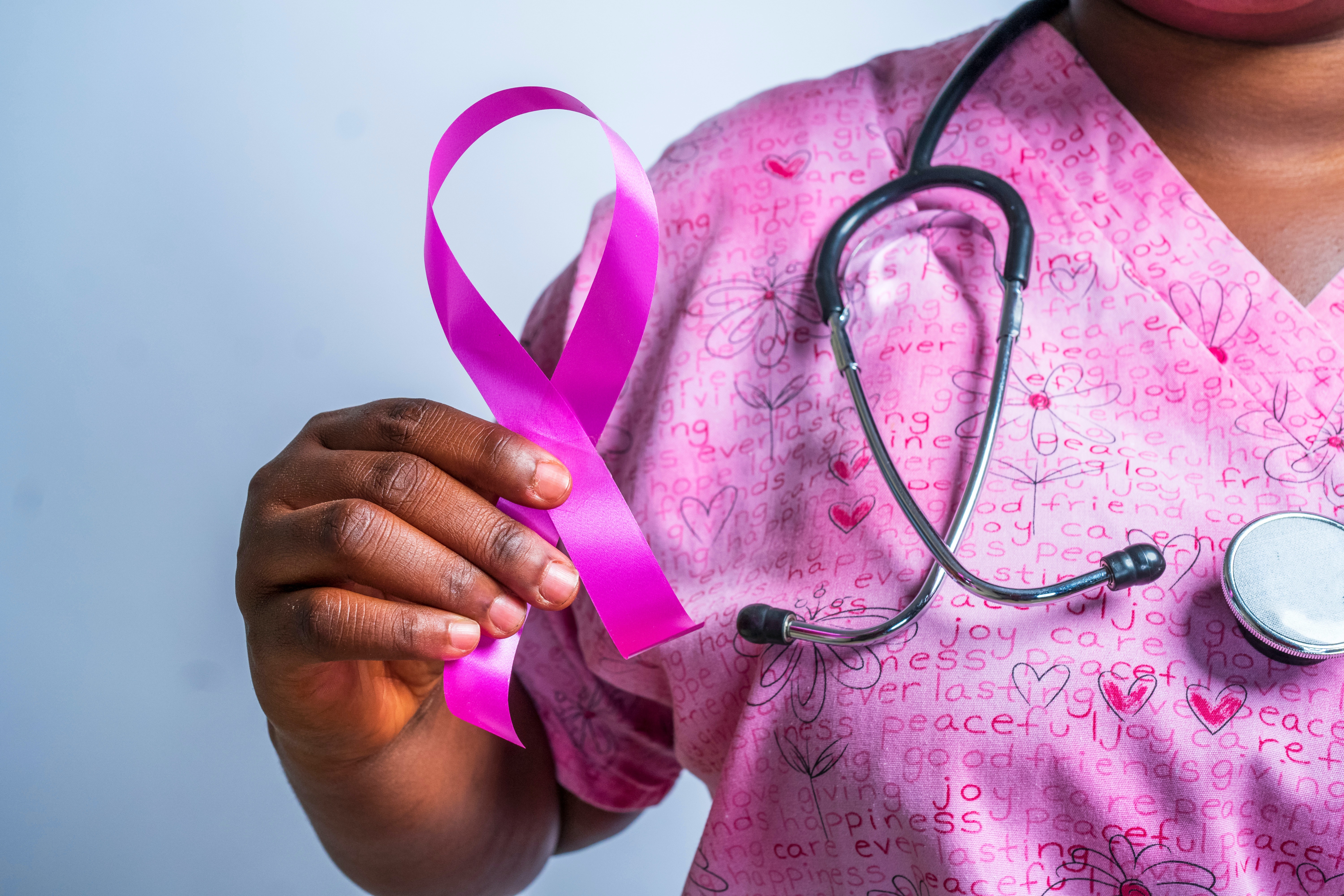
Worldwide, breast cancer is the most commonly diagnosed cancer. It’s also the leading cause of cancer-related death among women. The incidence of breast cancer is expected to rise, with the majority of breast cancer cases occurring among women in low- and middle-income countries such as South Africa, where adherence to treatment remains a challenge. For example, outcomes are dependent upon patients following the recommended chemotherapy protocols and getting the recommended drugs at the right time.
There were 10,174 new known breast cancer diagnoses in South Africa in 2019. These accounted for 23% of all the new cancer cases in women in South Africa. It is likely that the burden of disease is even higher, though, as not everyone has access to diagnostic facilities. Some people don’t know they have breast cancer because it hasn’t been diagnosed.
As a breast surgeon and scholar I have worked in the field for decades. Together with Dr Bronwyne Coetzee and Professor Ashraf Kagee from the Department of Psychology at Stellenbosch University, I supervised Brigitta Kepkey (a masters student), who conducted a study of the factors that challenge adherence to breast cancer treatment among South African women.
After conversations with patients attending the Breast and Endocrine Unit at Tygerberg Hospital in Cape Town, she documented some of the barriers that affect their ability to adhere to breast cancer management. The perspectives of patients, family members and oncology healthcare workers involved with chemotherapy treatment and administration were sought.
Adherence to treatment plans, particularly chemotherapy, is complex. Our research found that there were personal, environmental and structural factors that influenced a patient’s ability to be adherent. These included access to transport, socioeconomic level and social support.
Treatment
In low- and middle-income countries such as South Africa, more patients present with advanced cancer. For example, in the US, approximately 64% of women have early-stage cancer at the time of diagnosis. In comparison, more than 60% of patients seen in the public healthcare system in South Africa have locally advanced (inoperable) breast cancer at the time of diagnosis. They therefore receive relatively aggressive form of treatment: usually chemotherapy. The aim is to downsize their cancer, so they become operable.
Timely diagnosis in South Africa is dependent on many factors, including where a person lives.
Data from another study in Soweto in Johannesburg showed that the stage of cancer at the time of diagnosis depended on the distance from the healthcare facility. Patients who lived more than 20km away from the breast clinic were more likely to have locally advanced disease than those who lived nearby: 62% versus 50%.
Read more: Do governments know what to do with street art?
Distance, socioeconomic status and transport affect not only diagnosis but adherence to treatment.
Barriers to sticking with therapy
To define some of the barriers faced by women, Kepkey interviewed two small groups of women: those who had remained adherent and those who were non-adherent to chemotherapy treatment.
Some patients struggled with side effects such as hair loss, fatigue, weight loss and change in body image. These concerns were more prevalent among younger patients, who were also concerned about the impact of chemotherapy on their fertility and ability to have a family later on in life.
But these concerns were not raised more commonly by those who weren’t sticking to their treatment regimens. This may be because women who were nonadherent were generally older.
Patients may miss out on treatment due to family responsibility, if they are the breadwinners and cannot afford to miss a day of work or cannot find a child-minder.
According to StatsSA, 42% of South African households are headed by females. Children are more likely to live with their mothers in both rural (38%) and urban (49%) areas.
The extra pressure put on an individual with breast cancer was illustrated by a healthcare worker:
“They (patients) would rather go to work than come for treatment cause they still need to feed their family.”
A patient also said:
“When I’m not feeling well (as a result of treatment), I must get up (and) struggle to go to walk around and look for money.”
The importance of health education was highlighted by healthcare workers as many patients have preconceived ideas as a result of social knowledge and second-hand accounts. Some patients assumed that chemotherapy affected everyone in the same way and therefore the negative side effects of chemotherapy such as hair loss, treatment side effects and infertility were deterrents to adherence as patients thought they would experience these side effects to the same or a worse extent.
Patients who lack social support are also more likely to be non-adherent to treatment as the cancer journey is difficult to go through alone.
Why this matters
In order to help patients adhere to their treatment protocols, more time needs to be spent unpacking the challenges that patients experience. One of the practical outcomes from the study was that the oncology healthcare workers realised the importance of using simplified explanations of treatment, and answered patients’ questions. We recommend that healthcare workers be sensitive to the influences on a patient’s decision-making and treatment outcomes. If possible, patients should receive psychological support throughout their cancer journey. Addressing the barriers to care is essential as failure to do so may compromise patient health.
The barriers identified are not unique to our clinic. It takes time to address the practicalities needed to provide adequate care, but doing it will increase patient compliance, make the cancer journey less daunting and therefore improve cancer outcomes.


