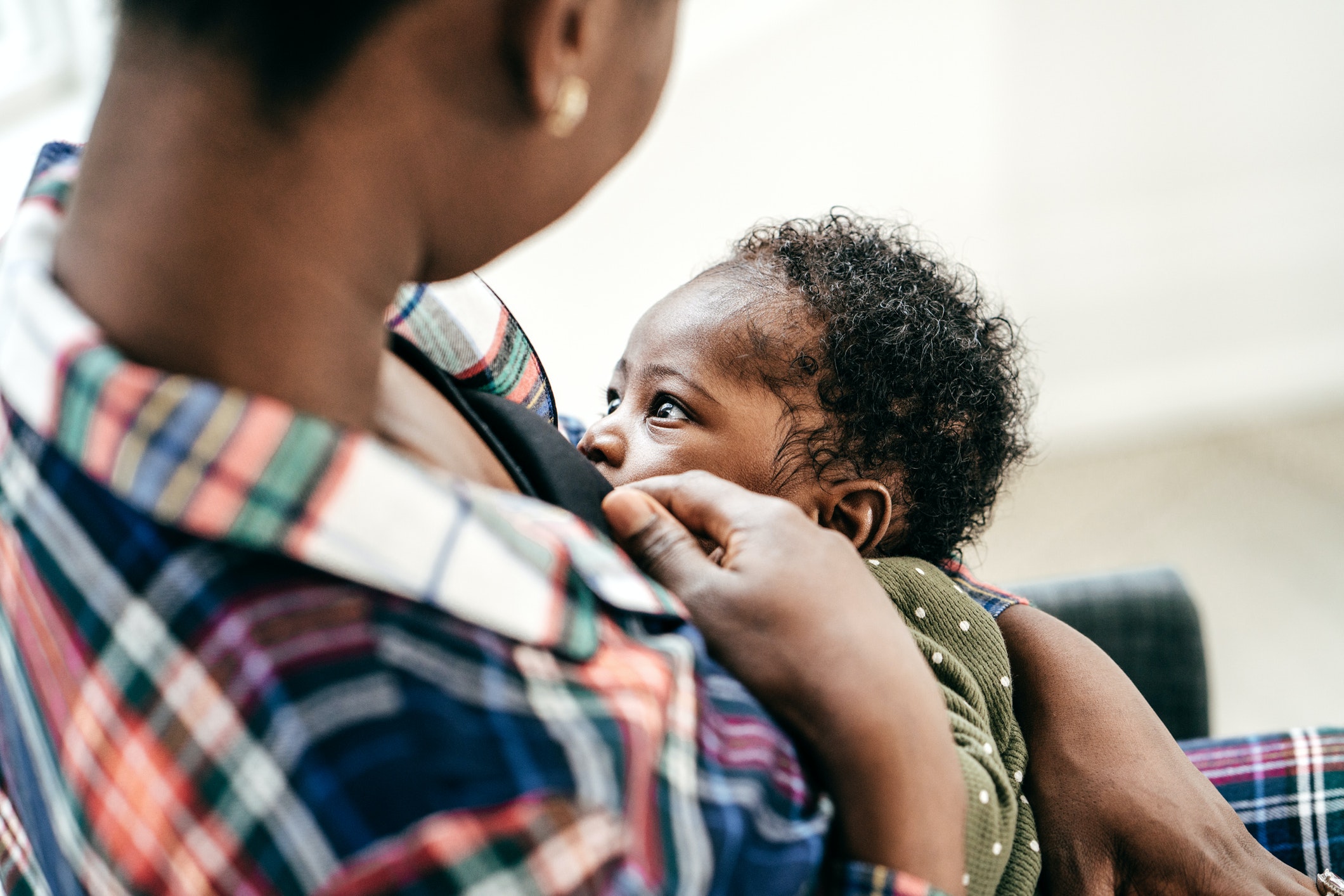
Exclusive breastfeeding, the practice of giving only breast milk (no other food or water), is the ideal for an infant’s first six months. Breast milk contains all the essential nutrients an infant needs at this stage.
Research has illuminated the longer-term health benefits of exclusive breastfeeding for the mother and child. These benefits include reducing the risk of overweight and obesity in childhood and adolescence and certain noncommunicable diseases later in life and enhancing human capital in adulthood. Additionally, breastfeeding reduces the risk of breast and ovarian cancers, type 2 diabetes and high blood pressure among mothers.
These are just a few of the benefits of exclusive breastfeeding. Overall, it makes more difference to a baby’s health and survival than any other intervention. That’s the reason why the World Health Organisation (WHO) includes it as a proven protective intervention in the Global Action Plan for Pneumonia and Diarrhoea.
The WHO initially set a global target of 50% prevalence of exclusive breastfeeding by 2025. Recently it was updated to at least 70% prevalence by 2030. It means that every member country is expected to achieve an exclusive breastfeeding prevalence of at least 70% by the end of 2030.
Previous research has shown that the proportion of exclusively breastfed children remains low in many lower and middle-income countries, however.
As part of the Global Burden of Disease study, my colleagues and I recently published our analysis of data covering two decades (2000-2018) from 94 low- and middle-income countries. We examined the trends and prevalence of exclusive breastfeeding and projected the performance of countries in relation to WHO targets. This type of analysis can help countries formulate the necessary policies and interventions to promote breastfeeding practices.
Findings from our study
Total prevalence of exclusive breastfeeding increased (27% to 39%) across all countries during the study period (2000-2018). But we found significant variations between countries and within regions. This suggests intra-regional inequalities that need attention from leaders.
Read more: Malnutrition among children is rife in Nigeria. What must be done
Countries included in the study made substantial progress. For example, 57 of the 94 countries had an aggregate exclusive breastfeeding practice level of less than 30% in half of their basic administrative units (referred to in this study as provinces) in 2000. But by 2018, exclusive breastfeeding prevalence in some of these countries (8) rose closer to 50%, with at least 45% exclusive breastfeeding levels in most provinces. Similarly, 34 countries had at least one province recording more than a 45% increase in exclusive breastfeeding prevalence by the end of 2018.
Of the African countries, Chad and Somalia had the highest rates of annualised decline in exclusive breastfeeding practices during the study period.
Progress towards the 70% target
To estimate future prevalence, we assumed that current trends would continue. We first projected based on the initial target of 25% by 2025, followed by the updated target of at least 70% by 2030. In general, exclusive breastfeeding practices across the countries are expected to increase from 39% in 2018 to 43% by 2025. The practice level will increase to 45% by the end of the new targeted period of 2030. Although this is positive progress, it falls short of the 70% goal.
Our analysis projected six countries – Burundi, Cambodia, Lesotho, Peru, Rwanda and Sierra Leone – to meet 70% of exclusive breastfeeding prevalence by 2030. Eighty-eight of 94 countries are unlikely to meet the global nutrition target on exclusive breastfeeding by 2030. Only three countries (Burundi, Lesotho and Rwanda) are predicted to meet this target in all their sub-national level units (provinces and districts).
Reasons for low rates of exclusive breastfeeding
Several reasons may account for the poor performance of countries towards the goal. They include but are not limited to:
Read more: What’s missing in South Africa’s strategy to get breastfeeding levels up
Way forward
Breastfeeding requires a lot of effort from mothers and support from wider networks, including their families, communities, workplaces, health systems and government leadership.
Advocacy at global, national and sub-national levels is critical and must be pursued by national and sub-national governments. For example, the global breastfeeding advocacy toolkit outlines seven key policy actions to increase breastfeeding practices. These include:
-
increasing funding to support exclusive breastfeeding and continued breastfeeding up to 2 years
-
fully adopting and monitoring the International Code of Marketing of Breast-Milk Substitutes
-
enacting workplace breastfeeding policies and paid family leave
-
implementing the baby-friendly hospitals’ ten steps to successful breastfeeding
-
improving access to skilled breastfeeding counselling in health facilities
-
strengthening links between health facilities and communities to support breastfeeding
-
strengthening monitoring systems to track progress.
These documented strategies can aid policy-makers in monitoring the success of breastfeeding policy and programme investments.
Read more: Community initiative keeps Kenyan women breastfeeding exclusively for longer
In conclusion, our study found that only six of the 94 low and middle income countries are on course to meet the WHO target of at least 70% exclusive breastfeeding prevalence by 2030. That means that 94% of the countries included in our study are unlikely to meet the target. This projected poor performance calls for deliberate efforts to promote exclusive breastfeeding for better child health and well-being. Robust policy interventions may still make it possible for some of these low and middle income states to achieve the target by 2030.


