In recent years, there’s been a huge, rising demand for donkey hides in China, where they are used to make an ancient health-related product called ejiao. Ejiao is made from collagen that’s been extracted from donkey hides mixed with herbs and other ingredients to create medicinal and health consumer products. It’s believed to have properties that strengthen the blood, stop bleeding and improve the quality of both vital fluids and sleep.
The ejiao market in China has increased in size from about US$3.2 billion in 2013 to about US$7.8 billion in 2020. This recent rise in demand is driven by several factors, including rising incomes, popularisation of the product via a television series, and an ageing population (age is a key demographic driving demand). In addition, ejiao is sometimes prescribed by doctors and the cost can newly be covered by health insurance.
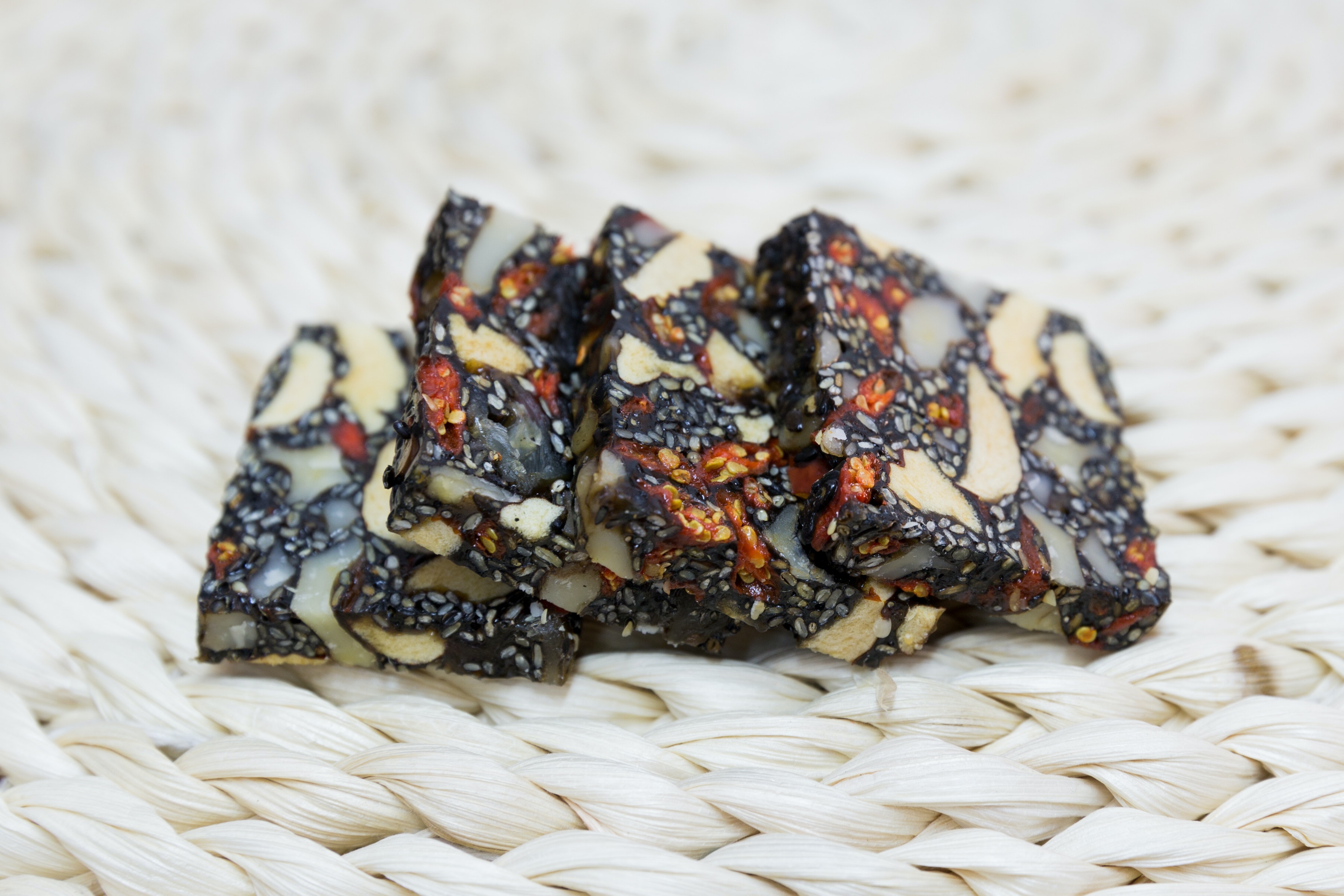
The demand for ejiao has led to a shortage of donkeys in China and increasingly worldwide. Countries in Africa have been particularly affected.
Africa is home to the highest number of donkeys in the world: about two-thirds of the estimated global population of 53 million donkeys in 2020. Exact figures on how many hides are exported to China aren’t available due to a growing illicit trade, but there are indications. A study of South Africa’s donkey population, for instance, suggests that it went from 210,000 in 1996 to about 146,000 in 2019. This was attributed to the export of donkey hides.
In a recent paper I examined the trends, issues and prospects for the Africa–China donkey trade. My information came from interviews, literature and news reviews in English and Chinese.
My findings are that the scale of the donkey trade, both illicit and legal, poses a challenge for many countries in Africa, especially in terms of its impact on the most marginalised communities. Besides donkey welfare, a big part of the challenge is how affordable donkeys are locally. Donkeys have a valuable, ancient role as a workhorse and losing access to them creates a huge problem for poor households. The other part of the challenge is regulatory. Only when the donkey hide trade is fully regulated – and export numbers are able to be very limited – might the trade work without adverse consequences for the poor.
This was also highlighted by a recent survey of the East African Community which found that the region was not ready for the mass slaughter and unregulated trade of donkeys. Millions of vulnerable East Africans rely on donkeys for a living and are at risk of losing out through the donkey skin trade.
Value of donkeys
Donkeys are estimated to support about 158 million people in Africa. In rural areas, the presence of a donkey in a household helps to alleviate poverty and frees women and girls from household drudgery.
Donkeys are one of the simplest, most sustainable and affordable means of transporting people, goods and farm inputs and outputs from home to farm to market and vice versa, as well as to water wells and other places. Even in harsh environments donkeys can travel long distances with a heavy load, limited fluids, and without showing signs of fatigue. They are a durable household asset.
Donkey ownership increases productivity and lessens hard work by, for example, reducing the loads women must otherwise carry themselves. In Ghana, for instance, owning a donkey was found to save adults about five hours of labour a week, and children 10 hours a week. The presence of a donkey also freed girl children to go to school.
Donkeys can also carry heavy loads of firewood and water. This means people need to make fewer trips. This frees up labour and time for other income generating activities, such as sowing someone’s farm for money.
The value of having a donkey in the household is evident. The loss of a donkey to a household in rural Kenya is associated with an increased risk of poverty – children drop out of school, and there’s less water security and more economic fragility. This makes the donkey trade a sensitive topic.
Government responses
Rising Chinese demand for donkeys has elicited a variety of responses by governments across Africa.
Tanzania, for example, attempted to create a formal donkey industry and trade. But, in 2022, authorities banned it because legal supply couldn’t keep up with demand. Female donkeys typically produce only a few foals each in a lifetime.
In Kenya, public outrage – largely due to the rise of donkey prices and diminishing supply – led to a ban on exports in February 2020. Kenya’s donkey exporters, however, took their case against the ban to Kenya’s High Court in June 2020, and won.
Read more: Why Kenya has banned the commercial slaughter of donkeys
Elsewhere, countries such as Botswana, Burkina Faso, Mali, Niger, Senegal and Tanzania banned donkey exports. Others, such as South Africa, banned or limited the donkey trade with requirements for established slaughterhouses and related quotas.
However, the implementation of donkey bans varies according to the strength of the regulatory capacity in each country – and how easy it is to smuggle things across borders.
In South Africa’s case, export quotas have merely sent the trade underground. This leads to more donkey theft. Illicitly traded hides from South Africa are typically from donkeys that are slaughtered inhumanely in the bush or in sub-standard slaughterhouses in Lesotho. Then they are exported to China.
Poverty also fosters the trade, which in turn can lead to further impoverishment. Donkey owners, needing a short-term income windfall, will sell their animal. It may then be slaughtered and traded illegally and lead to diminished income-earning opportunity in the medium and long run.
What needs to be done
A recent Pan-African Donkey Conference called for a 15-year continent-wide moratorium on the trade to allow supply to recover and regulatory capacity to be enhanced.
The ejiao industry in China is well organised and resourced. A handful of major firms and one province dominate the industry in China, and they are represented by the Shandong Ejiao Industry Association.
A China-Africa donkey hide trade may be possible if African countries get organised, form associations and establish a dialogue with the Shandong Ejiao Industry. The aim would be to work out sustainable mechanisms, prevent damage to local interests and help to counter the illicit trade.
In parallel to this, it would be important for animal welfare agencies in China to raise awareness of the illicit and damaging impact of the illicit donkey hide trade.
For now, I believe that the trade is premature. Better regulatory standards are needed by China’s ejiao industry such that illegally traded and stolen donkey hides are not part of the industry. Deeper cooperation across African countries would also help to preserve the ancient role of the donkey in supporting trade and the continent’s most vulnerable and geographically isolated groups.


