Communities can make — or break — strategies to curb HIV:
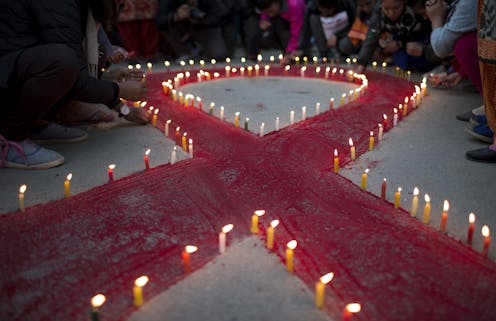
Communities have long played a critical role in the fight against HIV. Their activism and advocacy have greatly influenced the response to HIV/AIDS over the past four decades.
From the early 1980s, communities have fought for the rights and needs of those most affected. For example, faced with stigma and discrimination, gay communities in the US provided prevention advice, care and support. They also fought for treatment development and access.
By the mid-1980s the extent of the pandemic elsewhere in the world was becoming apparent. International, regional and local community activism became instrumental in fighting for access to treatment and stronger policy-level interventions.
Communities across Africa, as well as those representing vulnerable groups such as sex workers, began to demand inclusion in the fight against HIV.
Nowhere was this more pronounced than in South Africa, which continues to carry the highest burden of HIV in the world. By the late 1990s community mobilisation and activism were at the heart of much of the debate around HIV/AIDS.
The victories they secured were particularly notable. Fighting against an administration that denied the existence of a link between HIV and AIDS, communities and advocacy groups successfully mobilised action on a number of fronts. They fought for – and won – the provision of nevirapine to HIV-positive pregnant women and later fought for the provision of ARV treatment to all HIV positive people.
Communities continue to be vital in efforts to bring the pandemic under control, proving themselves as custodians and keepers of rich knowledge that creates the context in which HIV transmission occurs. They can also be the catalyst for the social change that is needed to reduce future HIV transmission in key populations. One such example is HIV infections among young women, who remain the most vulnerable group in southern Africa.
Social norms
Why are communities fundamental to future HIV prevention intervention designs? The answer lies in the fact that HIV transmission is profoundly social.
In sub-Saharan Africa, HIV is transmitted primarily in the context of heterosexual sex, which is shaped and controlled by social and cultural norms. Research highlights a host of social practices that hinder HIV prevention efforts. These include:
-
struggles to negotiate condom use in relationships,
-
the use of vaginal products to enhance sex,
-
issues of stigma, sexual violence and poverty, and
-
access to sexual and reproductive health care services.
Individual models of understanding risk don’t capture the full complexity of HIV transmission. This is because HIV transmission is rooted in social practices, and influenced by the broader context.
A good way to illustrate this is by considering factors that drive HIV transmission among young women. They are the most burdened by HIV in east and southern Africa and accounted for more than a quarter of new infections in 2018 – and yet they make up only 10% of the population.
Additionally, young women have higher rates of HIV infection than their male counterparts, acquiring HIV between five to seven years earlier than their male peers.
This gender imbalance in HIV infection is the result of many different factors that cut across the context in which women negotiate their lives. These range from biological vulnerabilities (including genital inflammation and the microbial diversity of the vagina), to relationships, their familial context, school completion rates and the broader socio-political world.
This means that preventing HIV transmission demands a deep engagement with the social, cultural, community and political factors that produce vulnerability and risk.
In HIV prevention this involves designing interventions that tackle the complexity of how young women come to be infected and what potential prevention efforts need to be taken.
But this can only succeed if there’s a deeper effort to include communities in the design of interventions that are responsive to local settings. This could, for example, include tackling harmful social norms, ensuring that women who need them have access to prevention technologies and treatment. They could also include empowering young girls, and tackling negative gender norms and gender based violence.
The roll-out
Communities have a critical role to play in ensuring that prevention interventions move from the realm of proven efficacy to real-world effectiveness.
A range of new HIV prevention technologies, such as treatment and prevention, including the oral Pre-exposure Prophylaxis (PrEP) and voluntary medical male circumcision, are now available. Yet global HIV incidence has declined by less than 2% per year since 2010.
Research shows that these new HIV prevention modalities – such as PrEP – are underutilised. In addition, 38.5% of those infected are not receiving treatment. Retention in care remains suboptimal.
The big question is how to get people to use what is available.
Engagement is an important part of the answer as communities create the social context that not only supports, but facilitates the linkage of those who need HIV prevention and treatment services.
For adolescent girls and young women in particular, communities could support comprehensive sexual health education, leading the way in respecting their rights to independently access sexual and reproductive health services. Communities can help target negative social and gender norms that increase the vulnerability of young women. Examples include ensuring young women who seek prevention or treatment aren’t stigmatised or discriminated against.
Communities can also play a role in holding governments accountable for ensuring that services are accessible to all those who need it.
Next steps
UNAIDS affirms the importance of communities in the fight against HIV through “communities making a difference”.
But communities need more. They need greater recognition as equal partners in the fight against HIV as well as resources to continue doing the critically important work they are doing.

Hilton Humphries does not work for, consult, own shares in or receive funding from any company or organisation that would benefit from this article, and has disclosed no relevant affiliations beyond their academic appointment.
Source: The Conversation – Articles (AFRICA)
Read more on The Conversation.
Join the fun: Add Your event | Submit a Press Release | Add your listing.


