South Africa has passed the peak of the infection curve, but the danger of a resurgence remains real. At the same time new tests are becoming available. Ina Skosana asked Glenda Mary Davison to provide a guide about who should go for testing, and what’s available.
When should I consider being tested?
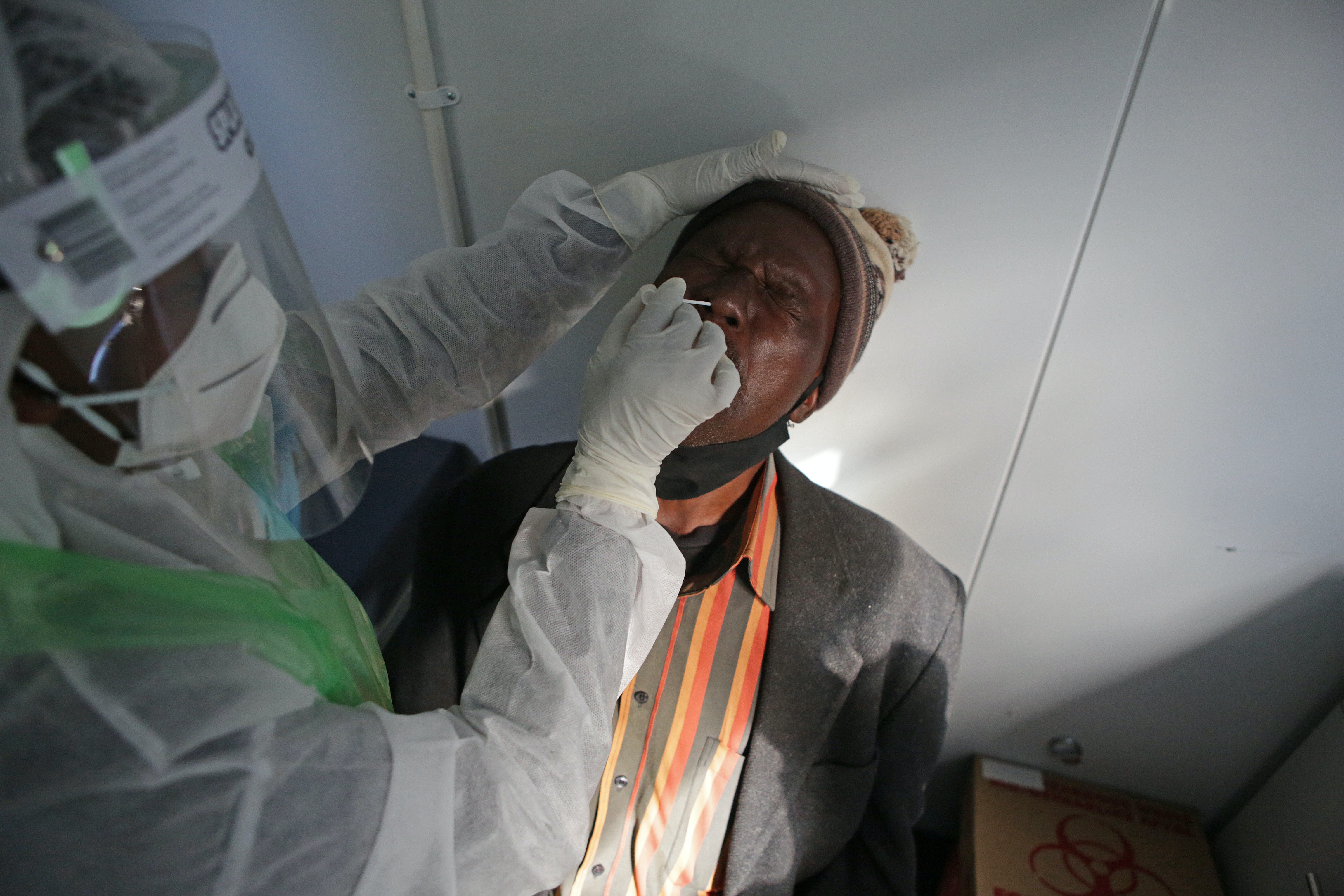
South Africa’s National Institute for Communicable Diseases recommends that all individuals who present with symptoms of COVID-19 or an acute respiratory infection should be tested for SARS-CoV-2 using the gold standard RT-PCR test.
The advice remains that people without symptoms should not be tested – even if they have been in close contact with someone diagnosed with COVID-19. There are categories of people where there this doesn’t apply. This includes health care workers and residents of a care home and those being admitted to hospital. If someone has been in contact with an infected person they should self-quarantine for 10 days and be monitored for any respiratory symptoms rather than rush out for a test.
But if reasons like the need to travel arise, then it’s best to go for a PCR test between five and eight days after the initial contact. Going any earlier increases the risk of a false negative result.
What’s available?
Read more: COVID-19 testing: the answers to six simple questions
PCR: This is a molecular test based on the reverse transcription polymerase chain reaction. It has been developed expressly to detect SARS-CoV-2, the virus that causes COVID-19. This test has been used for COVID-19 diagnosis since the onset of the pandemic.
The tests are considered to be highly accurate. The downside is that they require skilled and experienced laboratory professionals and as well as expensive equipment.
For now, this remains the go-to test for COVID-19.
Read more: Antibody tests aren’t a COVID-19 panacea. But they’re a useful additional tool
Antibody test: Many countries, including South Africa, are approving the use of antibody or serology tests. These are very useful in detecting whether someone has previously been infected.
They can help countries estimate how widespread the infection is. They are, however, not recommended for diagnosis.
Once our bodies have been exposed to the virus, the immune system reacts and begins to build up antibodies. These can take more than 10 days to develop. This means that antibody tests will only provide a positive result after this period.
The advantages of these tests are that they are cheaper than a PCR test, and can produce a result in around 15 minutes. But a negative result does not mean that the individual has not become infected. The timing is very important.
There are also downsides. It is still not clear how long antibodies to COVID-19 remain in our bodies. Some studies have suggested that they disappear after one or two months.
Nevertheless, research using antibody tests is important in predicting how long we remain immune after an initial infection and could be important in testing the efficacy of potential vaccines.
Read more: African countries need cheaper COVID-19 tests: here’s how to get them
Antigen test: In September, the WHO approved the use of two rapid antigen tests which are able to detect proteins, called antigens, on the surface of the virus. These tests are simple to use and can produce a result within 15 minutes.
The downside is that the sensitivity of antigen tests is high only when the viral load is high. This means that, once again, the timing of the test is crucial. The recommendation is that the test is done within the first five days of expected infection.
In South Africa, the National Pathology Group has recommended that that the results of these tests be confirmed with a PCR test.
Currently travellers entering South Africa, and who do not have a negative COVID-19 test done within 72 hours of travel, have to undergo an antigen test before entry into the country.
It is clear that laboratory testing still plays a vital role in the diagnosis and the prevention of the spread of the virus. Nevertheless, it is important to understand that not everyone should be tested and that the timing and correct use of the different types of test is important in order to gain the best results.


