The COVID-19 pandemic has turned the clock back by years in the fight against other diseases. It has interrupted research, trials and other efforts to ease the public health burden.
A regimen for Parkinson’s disease, for example, was to begin clinical trials this year. But this was postponed because of the pandemic.
Researchers have warned that if COVID-19 halts distribution of long-lasting insecticidal nets, cases of malaria might increase by 206 million and malaria deaths by 379,000 in sub-Saharan Africa. Scientists predicted that deaths related to HIV could increase by 10%, tuberculosis by up to 20% and malaria by 36% over the next five years.
Read more: Why malaria treatment shouldn’t take a back seat to COVID-19
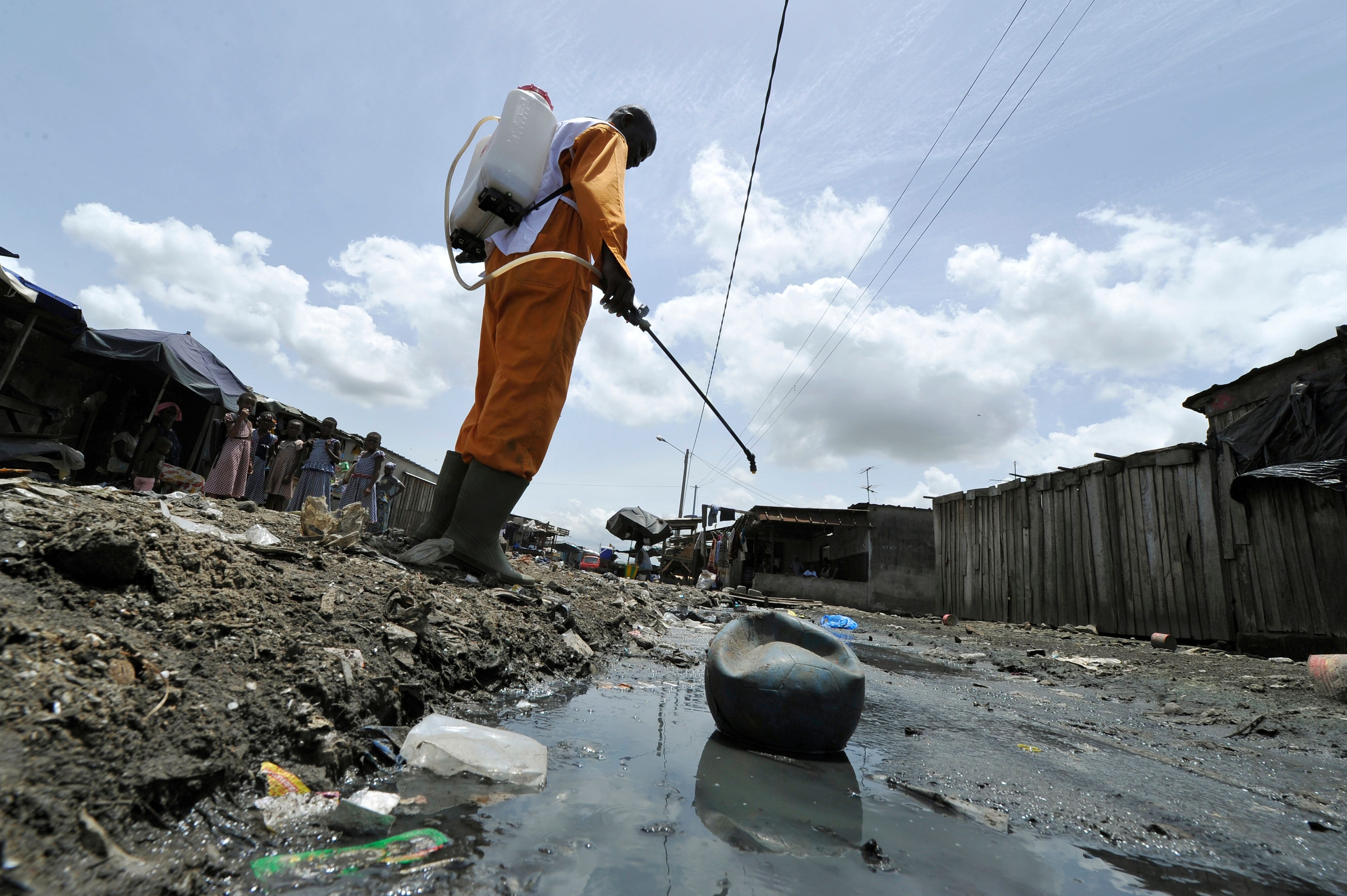
Among the health conditions that might have faced a setback is leishmaniasis, a parasitic disease associated with poverty issues like malnutrition and poor housing. It’s spread by a sand-fly which breeds in unsanitary conditions such as open sewers and unmanaged waste, which may have been neglected in the pandemic.
Leishmaniasis ranks high among neglected tropical diseases. About one-seventh of the world’s population is at risk of getting it. The disease is a major public health problem in various parts of the world, including Africa. It can cause devastating lifestyle changes, disability, social stigma, poor labour productivity and death.
We believe COVID-19 could potentially have reversed the fight against leishmaniasis by at least a decade.
Treatment and control disruptions
COVID-19 has placed great strain on the capacity and infrastructure of health systems. The pandemic has created high demand for in-hospital admissions, intensive care and medical personnel. Even hospitals and pharmacies have been limited in the services they can provide under some lockdown restrictions.
Treatment for leishmaniasis patients requires trained medical personnel to inject drugs. People with leishmaniasis need access to health facilities for daily drug treatment. If this is unavailable, patients have to be hospitalised for long periods to facilitate treatment.
During the pandemic, this would not be possible where all hospital beds were prioritised for COVID-19 patients.
Read more: Leishmaniasis needs more attention: it causes skin lesions, and can kill
The prevention and control of leishmaniasis involves disease surveillance, vector control using insecticide spray and provision of insecticide-treated nets to households in endemic areas. These activities have been hampered by limited allocation of funds or restriction of movement to prevent the spread of COVID-19.
The transportation of researchers and clinicians to the areas most affected – many of them remote – has also been affected by lockdowns. Physical distancing measures mean researchers and clinicians can’t carry out questionnaire type of data collection. As a result, they’re unable to establish rates of infection or identify potential disease hotspots.
Diverted resources
Scientists have been racing to develop drugs, diagnostic kits, vaccines and protective kits for COVID-19. To facilitate this, most governments have redirected funds meant for the management of other infectious diseases towards anti-COVID-19 efforts. Neglected tropical diseases such as leishmaniasis already receive only about 0.6% in the WHO health development research budget. The redirection of more funds could mean that goals for leishmaniasis are missed.
The suspension of several research projects around the world might have resulted in several deadlines being unmet, resulting in a probable loss of research funding. For example research budget cuts made necessary by the impact of COVID-19 have been seen in South Africa.
Co-infection
There is another concern: South America is one of the epicentres of the coronavirus disease and all the countries on that continent have cases of leishmaniasis, except Chile and Uruguay. To prevent either infection, a person needs a robust immune system. But the Leishmania parasite and SARS CoV2 targets the very cells needed to fight off invading pathogens. Hence it is probable that some people will be infected with both diseases and co-infection could complicate and exacerbate both conditions.
Collectively, COVID-19 can’t stand in isolation. Many parts of the world are afflicted by multiple devastating diseases. These diseases must not be overlooked in the quest to control the new pandemic.


