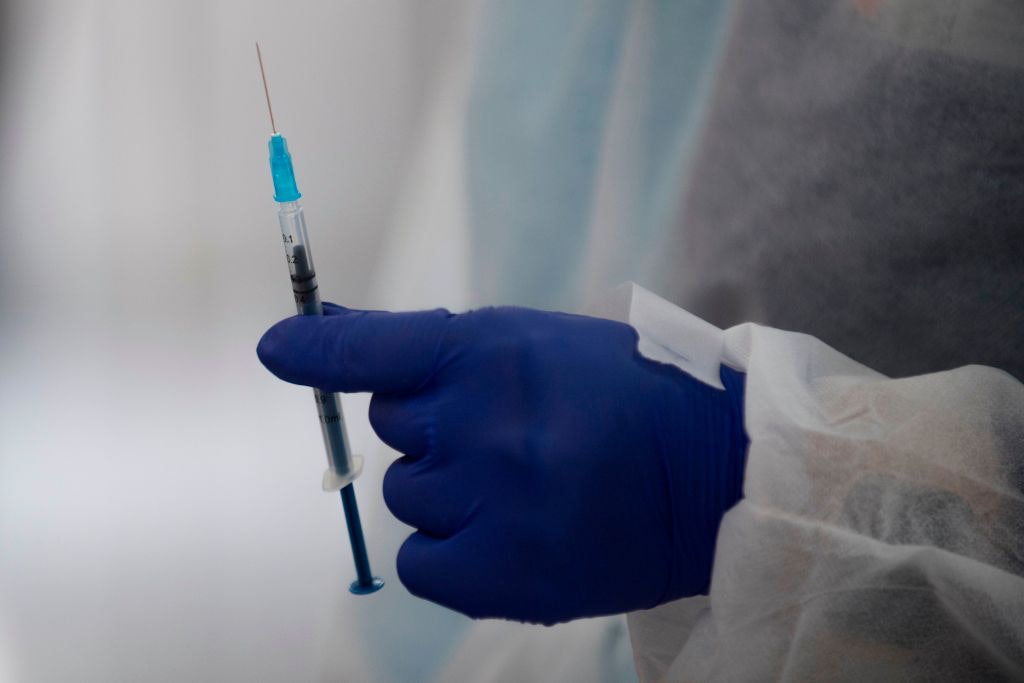
Some countries, such as Tanzania and Madagascar, have issued statements saying they do not have plans to vaccinate their populations against COVID-19. Moina Spooner, an editor with The Conversation Africa, asked pathology expert Dr Ahmed Kalebi to unpack what this means for the global effort to contain the pandemic.
What are the risks if not everyone is vaccinated against COVID-19?
In countries where no significant proportion of the population is vaccinated, there is a huge risk of sustained community spread of COVID-19 over a prolonged period.
The longer the period of sustained community spread, the more likely that the virus will mutate. And this means it could be a breeding ground for the new coronavirus – SARS-CoV-2 – to mutate into more aggressive variants. The mutated variants from the unvaccinated population will be able to infect even those in the vaccinated population.
Vaccines may not work against mutated variants because of changes that happen in the genetic code of the virus. A vaccine is meant to create an immune response through antibodies which are designed to recognise the virus’ protein structure which has been altered. Think of it like an enemy altering their military uniform, becoming less recognisable to the opposing army.
They can also evade immunity induced by previous infection for similar reasons – immunity was designed towards the structure of that original virus. The altered virus wouldn’t be easily recognisable by antibodies from the previous infection. Therefore the mutated strains could infect those already vaccinated, causing re-infection.
This means that everyone would continue to be vulnerable. Even those who live in areas where the population has already been vaccinated would not be totally protected against the virus if the virus mutated elsewhere. With the interconnectedness of countries and regions around the world, no single population lives in total seclusion. No particular population is safe unless all populations are safe.
This coronavirus is easily transmissible from person-to-person through the air. Any new, and possibly deadlier, mutated variants of the SARS-CoV-2 virus could be more contagious, and easily spread worldwide. Much like the original virus.
The whole world will only be safe after ensuring that all populations are adequately vaccinated. It seems unlikely that the pandemic can be fully contained through the existing prevention measures or that it’ll soon burn out. This happens when infections slow down because a significant proportion of the population has developed “herd immunity”, either from previous infection or vaccination or when movement of people who fuel the epidemic is completely halted. The virus then can’t be transmitted quickly – from one person or segment of the population to another – much like the way a bush or forest fire burns out when most of the plants are already charred, or if there is no more wind to propel the fire and thus cannot continue spreading.
How can governments mitigate these risks?
It won’t be realistic for countries that have vaccinated their populations to close their borders against countries that haven’t vaccinated. Unless vaccinated countries completely shut their borders from the rest of the world, there would always be some interaction between their citizens and citizens from unvaccinated countries.
To protect themselves against the virus, governments need to quickly roll out vaccines. Vaccines provide the most effective and controllable prevention measures to contain any viral infection. Particularly one that is highly transmissible like SARS-CoV-2. There’s also no real possibility of antiviral treatment or cure, because at present there are no antiviral drugs in the pipeline that have shown any indication of effectiveness against COVID-19.
As different countries wait to access vaccines and vaccinate their populations, the other public health measures that are known to slow down or mitigate the spread of COVID-19 should continue to be enforced. This will limit the intra-community and inter-community spread of the virus, reducing the rate of reproduction and mutations. It will also minimise hospitalisations and deaths from COVID-19.
These measures include using face masks, hand-washing and social distancing.
Where there’s an indication of an impending surge in infection rates, authorities must move fast to put a “circuit-breaker” action in to forestall the surge. These include imposing lockdowns and mass quarantines in a geographically targeted manner.
Read more: How Ireland turned around one of the biggest spikes in COVID cases in the world
Monitoring the infection rate and extent of spread of the virus through laboratory testing for detection of the virus – and genomic testing for mutations – is key in informing and guiding the authorities on what steps to take. Testing capacity therefore needs to be scaled up, including tests that detect the virus – such as PCR and antigen tests – and serological (antibody) tests which check for those who have had the infection before and have developed some immunity.
Having this data will allow for serosurveillance mapping – testing for antibodies – and monitoring. Serosurveillance can also guide the prioritisation of vaccine distribution.
This shows the importance of using science in approaches to fighting the pandemic. Governments must also work together – as one global community – so it works for everyone.
What approach should governments be taking in efforts to contain the pandemic?
Governments must work together to scale up the production and global supply of the vaccine within the shortest time possible. It’s crucial that as much of the world’s population can access the vaccine as soon possible. This requires abolishing “vaccine nationalism” and hoarding.
Read more: No country is an island: collective approach to COVID-19 vaccines is the only way to go
There also needs to be an increase in funding and support to existing vaccine production sites and new sites for vaccine production must be established, including in deprived and underdeveloped countries. This would happen through technology transfers with sharing of intellectual property and technical capacity for the vaccines that have already been proven to be efficacious.
The solution lies in a concerted global approach to ensure the whole world is safe. No one will be fully safe from a pandemic unless the whole world is collectively safe.


