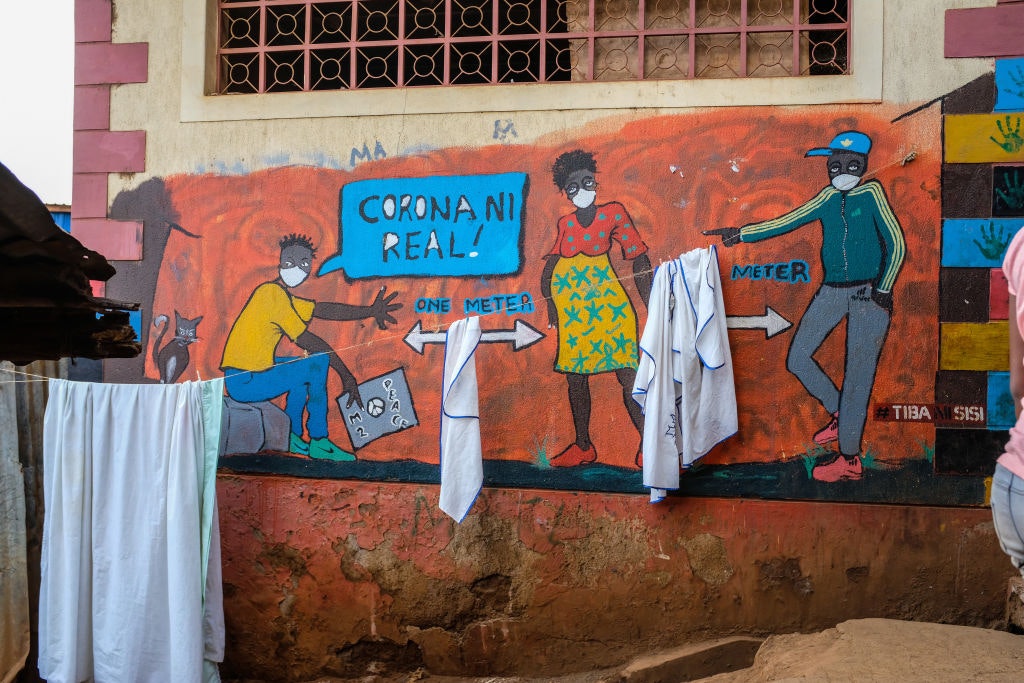
When epidemics break out and public health emergencies are declared, people shy away from seeking care for other conditions. This may seem counter-intuitive at first glance. But it makes sense. Ordinary life is disrupted, so visiting a clinic for a routine checkup becomes harder. People are afraid they’ll contract the virus or disease that’s driving the epidemic – especially in health facilities.
The results are predictably grim.
During the 2013-2014 Ebola outbreak in West Africa, the number of people seeking primary healthcare for themselves and their children declined significantly. This resulted in an increase in deaths caused by malaria, HIV and tuberculosis (TB). The figures were similar to – or in some cases greater than – the total number of deaths caused by the Ebola virus disease.
The COVID-19 pandemic appears to have followed the same worrying trajectory, at least in Kenya. We analysed how the pandemic influenced the use of multiple healthcare services in the East African nation. Our study specifically aimed to assess which healthcare services were resilient to disruptions in the system and which ones were more vulnerable.
We collected monthly aggregates of county-level data for 17 indicators from the Kenya health information system across four periods. These were pre-pandemic (January 2018 to February 2020), two pandemic periods (March to November 2020 and February to October 2021) and the healthcare workers’ strike from December 2020 to January 2021. The indicators centred on four categories:
-
outpatient visits to primary healthcare facilities
-
reproductive and child health (including antenatal care and children’s routine vaccinations)
-
sexual violence and communicable diseases (such as HIV tests conducted, and people tested for malaria and TB)
-
noncommunicable diseases (cervical cancer screening, and cases of hypertension and diabetes detected)
We combined these data with information from Google and Facebook about human movement in Kenya during the pandemic period, as well as health ministry data about confirmed daily COVID-19 cases. We made note of curfews and other movement restrictions to ensure this was accounted for.
We found that the pandemic and the associated healthcare workers’ strike disrupted essential health services. Outpatient visits, screening and diagnostic services, and child immunisation were particularly negatively affected.
These findings are a valuable tool to help health authorities and other stakeholders prepare better for future pandemics and ensure that essential health services continue to operate as normally as possible even during abnormal times.
Worrying declines and some bright spots
Outpatient visits, screening and diagnostic services, as well as child vaccinations were hardest hit.
The onset of the pandemic was associated with significant declines in outpatient visits (29%), cervical cancer screening (50%) and number of HIV tests conducted (45%). The number of patients tested for malaria (32%), notified TB cases (27%), hypertension cases (10%) and vitamin A supplements (9%) also declined. And we saw drops in three doses of the diphtheria, tetanus toxoid and pertussis vaccine administered (1%). These may have been driven by the partial lockdowns, stay-home orders and restriction of movement, discouraging patients and parents from seeking non-emergency services.
At the beginning of the emergency when little was known about COVID-19, the health ministry issued directives around minimising crowding within hospitals, partly by reducing non-emergency clinic visits and surgeries. This may have reduced outpatient visits in addition to propagating the fear of contracting disease within hospitals.
For outbreaks such as Ebola, fear of contracting the virus in health settings has been shown to affect access to other health services negatively.
Access to antiretrovirals was not hit as hard as the other services. This could be due to a policy change by the national AIDS and sexually transmitted infections control programme allowing for multi-month dispensing of antiretroviral drugs. This reduced the need for frequent clinic visits.
We also noticed fewer reported cases of pneumonia and diarrhoea in children. It is not clear if this was related to improved hygiene associated with handwashing or the decreased contact between children when schools closed. It could also be reduced reporting as a result of a change in healthcare seeking behaviour brought on by the pandemic.
One worrying increase in visits to essential healthcare facilities stemmed from cases of sexual violence, which increased by 8%. Gender-based violence is associated with stress, uncertainty, social isolation and movement restrictions.
There were some promising data points. The rates of skilled deliveries for pregnancy, as well as those for antenatal care (care during pregnancy) were resilient. They remained steady both at the outset of and during the pandemic.
There are several possible reasons for this. Permits were issued to expectant mothers so they could visit healthcare centres during curfew hours. An ambulance system, Wheels of Life, was designated in Nairobi to transport pregnant women during curfew hours. Strong guidelines were also issued to facilities about the continuity of reproductive and maternal health services. And many pregnant women remained committed to giving birth in hospital because they had arranged antenatal care and delivery before the pandemic.
Towards the later stages of the pandemic, most health indicators started to recover. But the healthcare workers’ strike resulted in nearly all indicators falling to numbers lower than those observed at the onset or during the pre-strike period, except for the number of notified tuberculosis cases, which increased slightly by 0·3%.
Recommendations
There is little use in trying to improve essential health services when a pandemic has already begun. Preparedness is key. Kenya must – with data sets like ours, among other tools – identify which services are vulnerable in times of crisis. These should then be improved so that human life is protected before, during and after a health emergency.
Health authorities should also be developing and disseminating guidelines to healthcare managers so they know how best to manage services both during and outside a crisis. Better coordination and communication between county and national departments is crucial, too.
And there are lessons to be learned from resilient indicators. We must examine what made maternal health indicators remain robust during the health crisis and how those interventions might be applied in different areas of the healthcare system.


