SARS-CoV-2 is the cause of the disease we know as COVID-19. While this disease has wreaked havoc on every human population worldwide, what isn’t as well appreciated is that the virus can also infect a range of animals.
The World Organisation for Animal Health) has reported outbreaks of SARS-CoV-2 in cats, dogs, ferrets, minks, otters, lions, tigers, pumas, snow leopards, gorillas, white-tailed deer, fishing cat, Binturong, South American coati, spotted hyena, Eurasian lynx and Canada lynx. Recently the virus was identified in pet hamsters following reverse zoonotic transmission from humans.
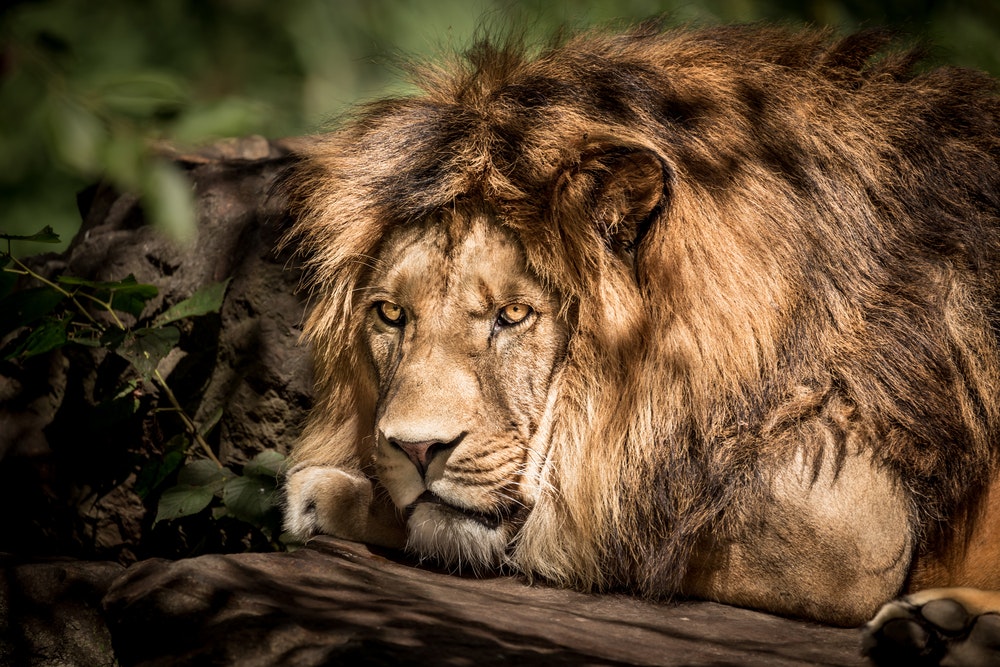
In our paper we report infection of an exotic puma (July 2020) and three African lions (July 2021) in a private zoo in Johannesburg, South Africa. Transmission of a Delta variant – similar to those circulating in humans in South Africa at the time – from a zookeeper to the three lions was identified. One lion developed pneumonia while the other cases had mild infection. Both the puma and lions remained positive for SARS-CoV-2 RNA for up to seven weeks but cleared the infection completely.
This work is the first example of SARS-CoV-2 animal infection in Africa and adds to only a handful of papers globally addressing infection in captive lion populations. Three previous accounts have been published from zoos in the US, India and Barcelona.
The fact that a wide range of animals appear susceptible to infection has at least three important consequences.
Firstly, it is unclear how severe the disease is in different animals and this has animal welfare implications. Secondly, animals have different immune systems and live in different environments from humans, which means there would be altered evolutionary pressure on the virus. This has the potential to influence future emergence of viral variants if wider outbreaks occur as was the case in ferrets in Europe and white tailed deer in the US.
Finally, any hope of eradicating the virus with the use of vaccines and antivirals will need to take into account the fact that there are likely pockets of animal infection where the virus may still circulate. Virologists call these animals “reservoirs”. Just like a dam provides excess water to a community, these animals could harbour the virus after many people have become immune. To date there have been few reports of these animals transmitting it back to humans and no reports of large cats transmitting back.
A better understanding of the transmission dynamics and pathogenesis in susceptible species will mitigate the risk to humans and wildlife occurring in Africa.
What we found
In July 2020 and then again in June 2021 one of us (Dr Katja Koeppel) was alerted to two pumas and then three lions with respiratory disease symptoms, housed in a zoo outside Johannesburg. These included symptoms similar to COVID-19 (and many viral respiratory infections) such as coughing, difficulty breathing and appetite loss. At least one of the lions had pneumonia.
Initially these animals were treated with antibiotics, which didn’t work. It was then that Dr Koeppel connected with the Zoonotic arbo- and Respiratory virus Research programme in the Centre for Viral Zoonoses, University of Pretoria to test for SARS-CoV-2. One puma and all three lions tested PCR positive.
With the helpful cooperation of the zoo, an investigation into the 2021 lion outbreak was initiated. All staff who were in contact with the lions were interviewed as well as swabbed for COVID-19 tests. We found two out of 12 members of staff PCR positive, indicating an active SARS-CoV-2 infection. Additionally, a further three members of staff had antibodies to the virus, indicative of a past infection. Only one staff member reported a previous positive test.
The investigation thus concluded that four of the staff were asymptomatically infected with SARS-CoV-2 while in contact with the lions. Using further genetic analysis, we determined that all the lion viruses and the virus from the head big cat keeper were nearly identical (the SARS-CoV-2 Delta variant).
This suggested that all the lions and at least one of the staff members were involved in a single transmission chain. Since the lions were in two different cages and not in contact with other animals the virus was likely transmitted from the human to both cages.
If lions and other animals can get COVID-19, what should we do about it?
Wider surveillance needed
A growing body of research shows that COVID-19 protocols should be extended to areas in which there is a human-animal interface. These include zoos, wildlife sanctuaries and game farms.
This is vitally important for regions that depend on eco-tourism as is the case in much of Africa. Simple COVID-19 protocols such as regular health checks, hand hygiene and most importantly consistent masking will be as effective to prevent the spread of COVID-19 to animals as shown in humans.
Our research also illustrates the potential danger SARS-CoV-2 poses to animal health. As is currently being reported in the US, the virus has spread to wild White-tailed deer populations in multiple states. Once in the wild, the virus will be difficult to control. Fortunately, the deer appear unaffected by the disease.
The lions in our study recovered well after treatment with anti inflammatories, antibiotics and vitamins. The lion with pneumonia also received dexamethazone the same drug used in humans. But infected lions in India weren’t as lucky.
As the pandemic winds down, continual surveillance of wild animal populations will be vital to ensure that the pandemic doesn’t switch to another sphere of life.


