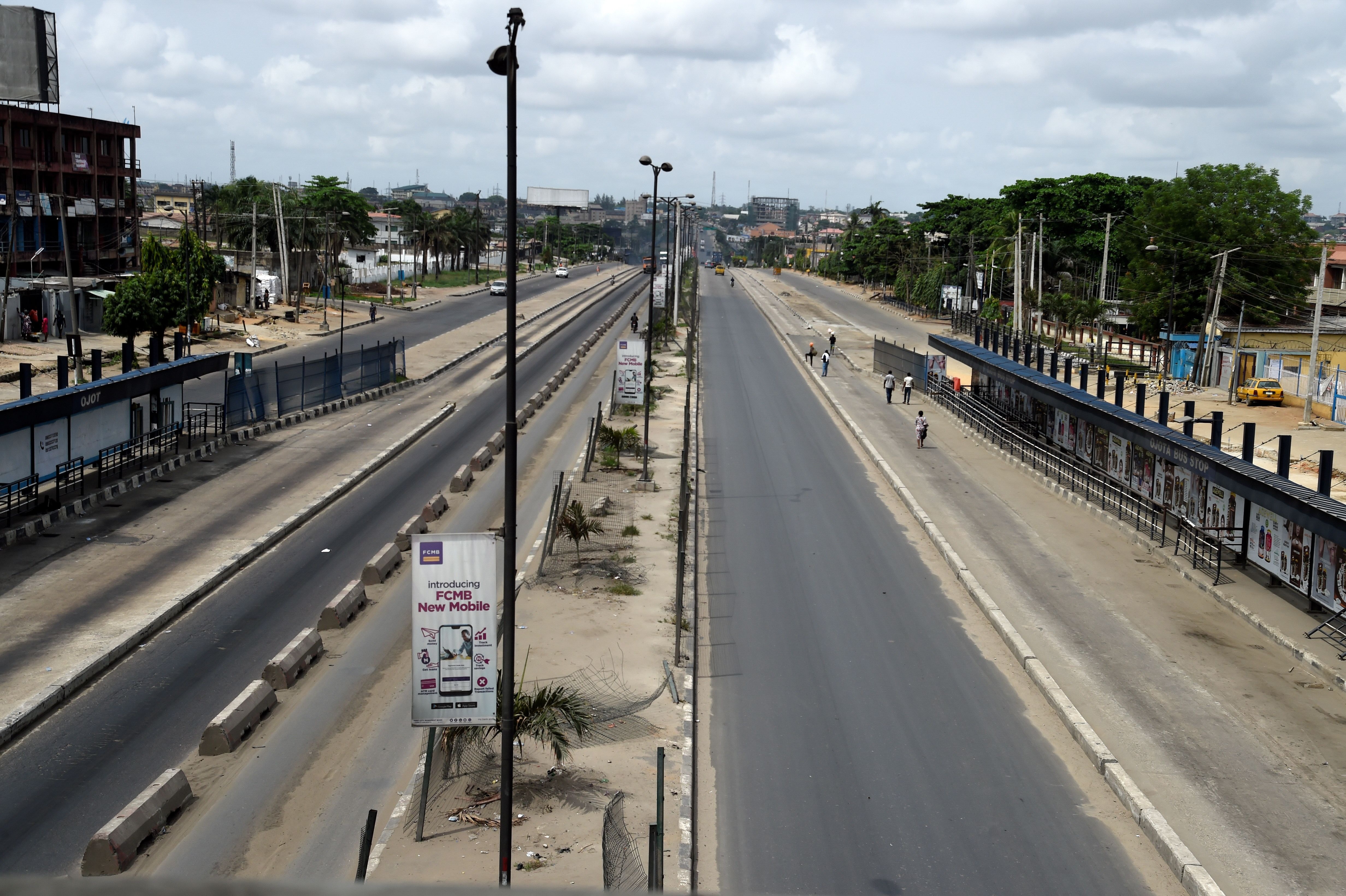
The COVID pandemic changed people’s lives in many ways. For instance, lockdowns and curfews drove people from their cities’ streets and kept many at home. Nigeria was no different.
Many studies about COVID have focused on economic losses, disrupted livelihoods and changes in social relations. But there’s been little research into changes in criminal behaviour. Criminals, too, altered their routines, as seen in increased robberies in some communities.
As my new research found, this spurred communities in one of Nigeria’s largest cities, Ibadan, to work together to keep their neighbourhoods safe.
Their initiative seems to have been successful – for example one respondent told me there had been no robberies while the effort was under way. This underscores the important role community policing can play in Nigeria’s overall security system. The people I interviewed acted in a way that aligned with a Yoruba saying related to safety: “A secured household is a secured community.” That is, individual security leads to collective security; so, if a person is safe, the community is also safe.
Since precolonial days, communities have played a significant role in their own security. Research has shown this happening in communities outside Africa too.
COVID restrictions have ended. That doesn’t mean community policing is no longer useful. Nigerian authorities should explore how the model I studied might be harnessed to empower communities.
Community mobilisation
My study focused on the community of Awotan. It is largely populated by professionals like lawyers, medical doctors and academics. Younger residents tend to work in the informal sector such as transport, masonry, tailoring and carpentry. Awotan is made up of seven zones or communities, each with its own executive. Each executive is made up of community chairman, vice-chairman, secretary, security coordinator, environment coordinator, electricity coordinator and public relations coordinator. I interviewed 15 residents, ranging in age from 30 to 58, to understand how the community reacted to security threats during COVID lockdowns.
Awotan is in Ibadan, the capital of Oyo State in southwest Nigeria. The state imposed a partial lockdown on 28 March 2020 that allowed only essential workers and some markets to operate. Hotels, banks and schools were shut. The economy slowed down. The pandemic restrictions forced customers and business owners to move from the business districts to residential areas.
Before COVID-19, the Awotan communities were occasionally exposed to burglary, theft and armed attacks. Awotan residents were also worried after gangs of armed robbers attacked three adjoining communities.
Before the pandemic, the Central Community Development Association moderated the amount security personnel were paid, to ensure uniformity. When necessary, it supported the police to patrol communities.
During the pandemic, the crime fighting structures were modified. A community watch was supervised at each community by its executive and centrally by the president of the central association and some of their executives.
The community watch increased during the lockdown. The community’s central executive committee met with zonal executives to agree on simultaneous proactive community mobilisation. Each community manned its own borders and patrolled dark spots.
Groups went out every night at midnight, from house to house, using whistles to call people out to be part of the community safety initiative. Some of those who joined the community watch were deployed to hotspots and gathered around small fires to signal their presence and deter criminals. Residents were also divided into different groups to patrol community borders and guard against invasion.
One of my interviewees told me:
The neighbouring communities were being attacked and robbed. Pápá community was robbed. At Aderogba community, the thieves came on motorcycles but we mobilised to that community to resist them. We modified the vigilante operation and patrol. This approach worked for us because we did not experience any robbery in our community since we adopted concurrent patrol operation.
Another male resident said:
My community has over 200 houses and more than 200 households. Before COVID-19, occasional theft occurred during daytime when most people would have gone out to work while burglary was most popular. While some houses have experienced serial theft and burglary, many have not. The news of victimisation around the area spurred many to join the neighbourhood watch team.
He added:
You see, if you don’t join them and thieves attack your house, you will be left alone. Those who do not join may be seen as sabotaging the security of the community. Thus it is better one comes out and patrol with them.
The community has now reverted to the old form of policing, but coordinated with information from the central executives.
Community policing is important
The structures which formed the neighbourhood watch are still in place despite relaxation of lockdown. And communities still work together when there is a threat to their living.
The results of this mobilisation suggest that Nigerian authorities should consider embracing a decentralised policing system. This would involve incorporating ordinary people into the security architecture, contributing to everyone’s safety.


