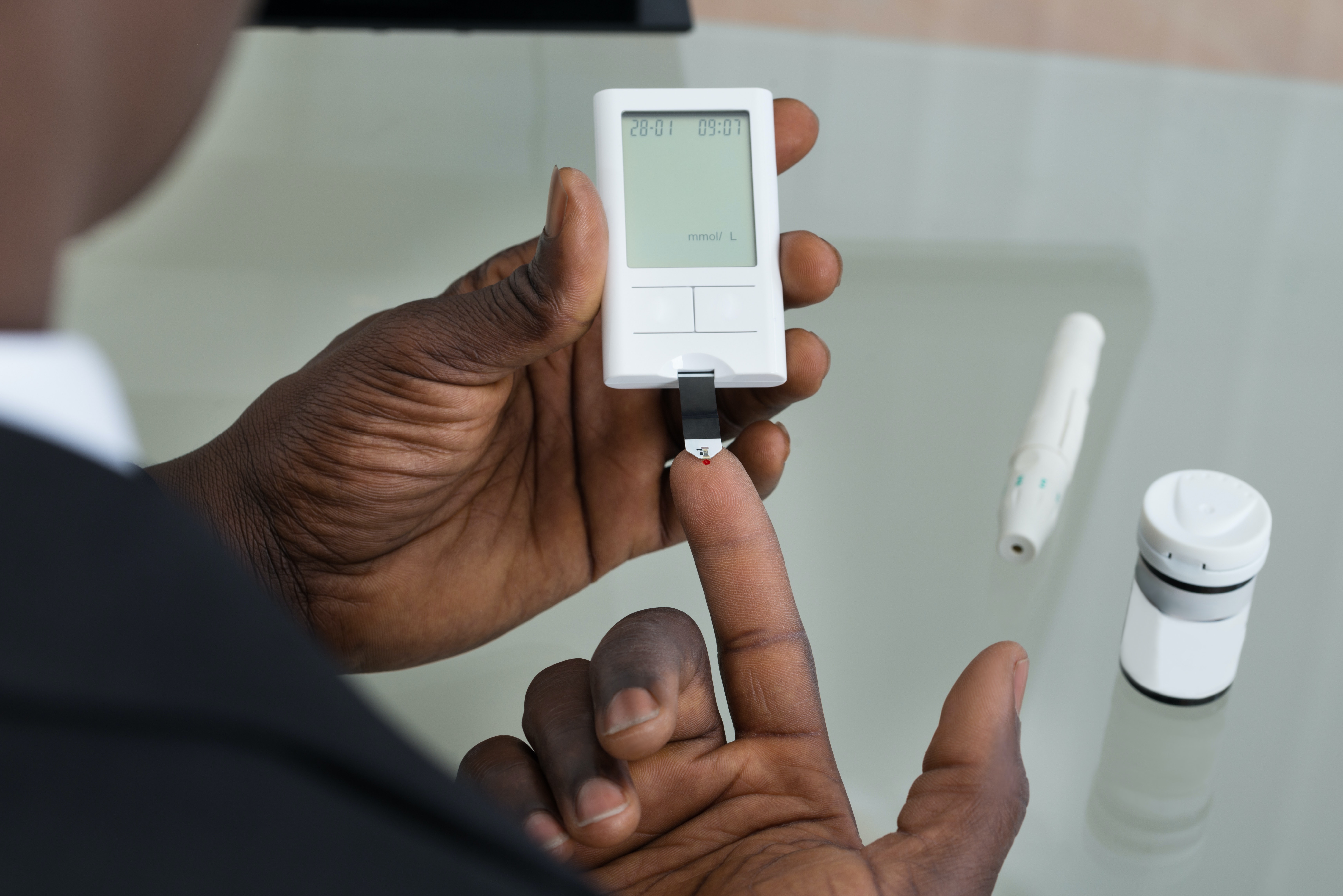
The burden of diabetes is increasing globally. There are about half a billion people in the world living with the disease. In sub-Saharan Africa, 23 million people had diabetes in 2021. This number is expected to increase to 33 million by 2030 and 55 million by 2045.
Currently, diabetes has no cure. But it can be controlled using medicines, diet and lifestyle modification.
As part of its 2013–2020 Global Action Plan the World Health Organisation set targets for prevention and control of noncommunicable diseases. It said essential medicines and basic technologies should be at least 80% available in public or private healthcare facilities. For diabetes, these medicines include insulin and oral agents that reduce blood sugar. There should also be medicines like aspirin and statins that reduce the risk of related heart diseases. The technology includes glucometers (for testing blood sugar) and test strips for urine protein and ketones.
Out of reach
Sub-Saharan Africa faces the dual burden of communicable and noncommunicable diseases straining countries’ health resources and fragile health systems. Access to essential medicines and diagnostic tests remains a challenge in the region. Public health facilities are faced with frequent stock-outs of medicines and patients often pay for medicines themselves.
Insulin and oral medicines for diabetes are mostly not available at the recommended level in the region. A recent study conducted in 13 low- and middle-income countries (including countries in sub-Saharan Africa) found 55-80% availability of insulin in health facilities that should have had insulin. An earlier survey had shown 0% availability of insulin in health facilities in Benin and Eritrea. The trend is similar with tests for blood glucose, urine protein and ketone.
The monthly dose of the lowest-priced generic medicines, metformin and glibenclamide, costs about two days’ wages in sub-Saharan Africa. This is based on the wages of the lowest-paid government worker.
The cost is even higher for the newer generation agents. For example, glimepiride costs an equivalent of three days’ wages in Uganda. Short-acting and intermediate-acting insulin cost about five days’ wages in Uganda and four days’ wages in Cameroon. Various tests also cost a few days’ wages in Uganda and Cameroon.
Some brands of insulin cost much more. For example, the innovator brand of intermediate-acting insulin costs about 20 days’ wages in Malawi and pre-mixed insulin costs 19 days’ wages in Cameroon.
How do we improve access?
There are a number of ways to improve access to affordable medicines. They include increasing financing for medicines by governments and international bodies. Legislation could promote the entry of generics into the market. Generic medicines should be priced appropriately and subsidised so that patients don’t have to pay the full price. The selection and use of medicines needs care. And robust electronic monitoring systems would minimise stock-outs.
The responsibility to make changes falls on governments, local and international non-governmental organisations, pharmaceutical companies and health workers.
Some global biopharmaceutical companies have established initiatives targeting low- and middle-income countries. An example is the Novartis Access programme, currently running in Kenya, Uganda, Tanzania, Rwanda, Malawi, Ethiopia and Cameroon. The programme offers subsidies to governments, non-governmental organisations and other institutional customers for a portfolio of medicines to treat noncommunicable diseases. It also builds health system capacity for the prevention and management of noncommunicable diseases, including diabetes.
Another company, Novo Nordisk, started in 2009 to supply insulin at a subsidised cost to selected low-income countries in sub-Saharan Africa. With partners, it supports the “Changing Diabetes in Children” programme in 10 countries in sub-Saharan Africa. It offers free glucometers and insulin to children and adolescents with type 1 diabetes.
But more needs to be done. Government health ministries and other implementing agencies should encourage healthcare practitioners to follow evidence-based, locally relevant treatment guidelines. They should undergo continuous professional development on diabetes care. National lists of essential medicines should be routinely updated and include cost-effective medicines.
Lastly, governments and the private sector in sub-Saharan Africa should invest in the local production of high-quality generic medicines for diabetes.


