As the world grapples with COVID-19, a quieter and even more ferocious pandemic ravages the globe. Type 2 diabetes rates continue to soar internationally, linked to lifestyle factors such as poor diet, excessive sugary drink consumption, being sedentary, stress and smoking. These have been so “normalised” into modern culture, that diabetes escapes attention and urgent action.
According to the International Diabetes Federation, 463 million people have diabetes in the world. Prevalence in South Africa is estimated at around 12.8%. This places the number of people affected at around 4.5 million – many of whom remain undiagnosed.
New treatments and technologies that have a significant impact on diabetic outcomes continue to be developed in clinical trials. But real world data show that most patients with diabetes do not meet treatment goals. Rates of complications such as cardiovascular disease, lower limb amputation, eye disease, and kidney disease remain high, especially in the developing world. The reason for this is a complex interplay between healthcare access, economics, poor resources and lack of nursing care specifically designed for diabetes. Patient adherence remains a critical problem too. The diabetic nurse educator can play a pivotal role in these cases.
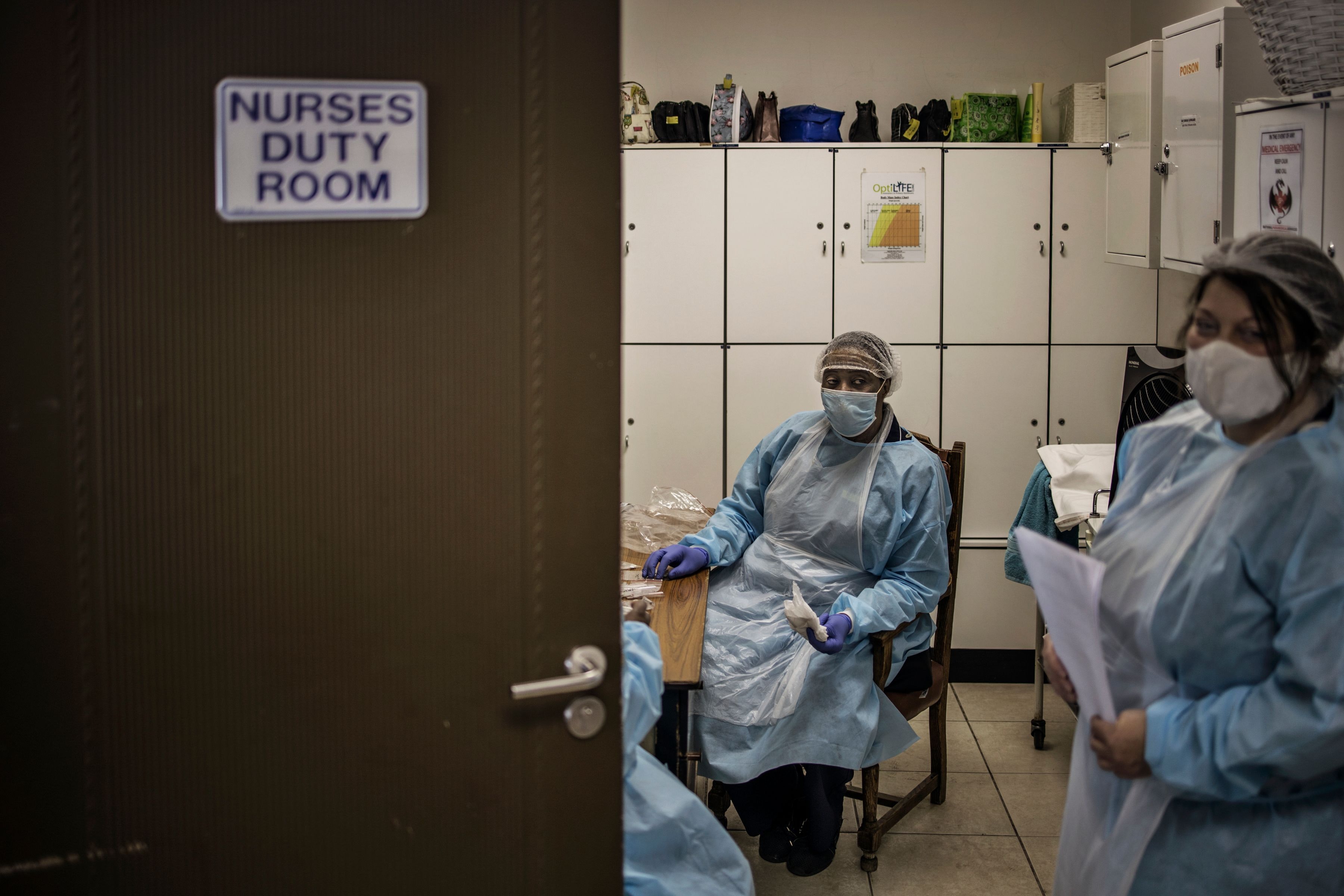
This year the theme of World Diabetes day is “Diabetes and the Nurse”. The aim is to highlight the importance of nurses in diabetes care.
Challenges
Currently there are large shortages in the number of nurses required for diabetes care internationally. The International Diabetes Federation estimates that at least 6 million nurses are required worldwide. In South Africa this holds true too. And most diabetes nurses are employed in the private sector – leaving a huge deficit in the overburdened public health sector.
Diabetes care requires a specialised nurse who knows about the causes of diabetes, drivers of human behaviour (diet, exercise), diabetes drugs and technology and treatment of complications. The nurse must also be able to care for people from diverse cultures and religions. What’s more, almost every speciality field of medicine is affected by diabetes. Nurses in these fields need skills in managing diabetes as an underlying condition. Such training and experience is lacking, however.
The Society for Endocrinology Metabolism and Diabetes of South Africa has highlighted a number of gaps. The South African Nursing Council does not recognise the diabetes nurse educator as a nursing sub-speciality. No dedicated diabetes nurse educator posts are available in the state sector. These nurses are not paid any more than others, so they might rather choose other specialities such as intensive care unit training. And there is no public sector training programme that empowers nurses to optimally manage patients living with diabetes.
Nurses need care themselves, too. One study at Tygerberg Hospital in Cape Town showed high rates of diabetes (11%) among nurses. It highlighted the need for education and lifestyle interventions for healthcare workers, and ways of regulating environments in which there’s a risk of becoming obese.
Safety and security of community and hospital-based nurses also needs attention as crime and gender-based violence levels in South Africa remain high.
Where there is crisis there is opportunity
Healthcare providers and governments must recognise the need to invest in diabetes nurse education and training. The nursing profession needs to attract men and women of various backgrounds to meet the needs of a diverse population. Training in diabetes care as a specialised field is necessary and diabetes nurse education should be recognised as a sub-speciality.
Government and other stakeholders should act to improve nurse to patient ratios, autonomy, salaries and working conditions.
Existing diabetes nurse educators also need to consider what changes they can make themselves, using their own strengths, resources and abilities and knowing their limitations.
Well-trained, self sufficient diabetes nurses placed in communities and hospitals around the country can become role models and mentors for patients in the prevention and treatment of diabetes. They can provide physical, emotional, intellectual and spiritual support to help patients reach their health goals. COVID-19 has highlighted the need to improve the metabolic health of the population as patients with diabetes and obesity are at high risk of severe COVID-19 infection. Diabetes nurses will be essential to achieve this end.
Caring is the essence of nursing. In an increasingly technological world this is even more critical. The world needs nurses who treat individuals but are aware of the wider issues that affect diabetes prevention and treatment. Nurses with the right balance of head and heart are the need of the hour. Investing in this need will help secure a better future for diabetic patients. Poet and author, Walt Whitman highlighted, the importance of good care:
There is something in personal love, caresses, and the magnetic flood of sympathy and friendship, that does, in its way, more good than all the medicine in the world.“


