Africa has a disproportionately high burden of cholera. The World Health Organization reports that between 40 million and 80 million people in Africa live in cholera hotspots. Globally, disease outbreaks have more than tripled since 1980, with 1,307 epidemic events between 2011 and 2017. Cholera was the biggest contributor to this with 308 events.
This is particularly concerning, considering cholera is an under reported disease.
Cholera tracks with areas of high poverty and low access to safe drinking water, sanitation and hygiene. More than a third of people still don’t have access to water in central and west Africa and less than 40% have adequate sanitation, according to UNICEF.
Children and women are facing particularly serious consequences to this inaction. This is because cholera is a major component to child mortality. In addition, young girls and women are primarily responsible for water collection, reducing the time available for work or education and exposing them to the risk of sexual violence.
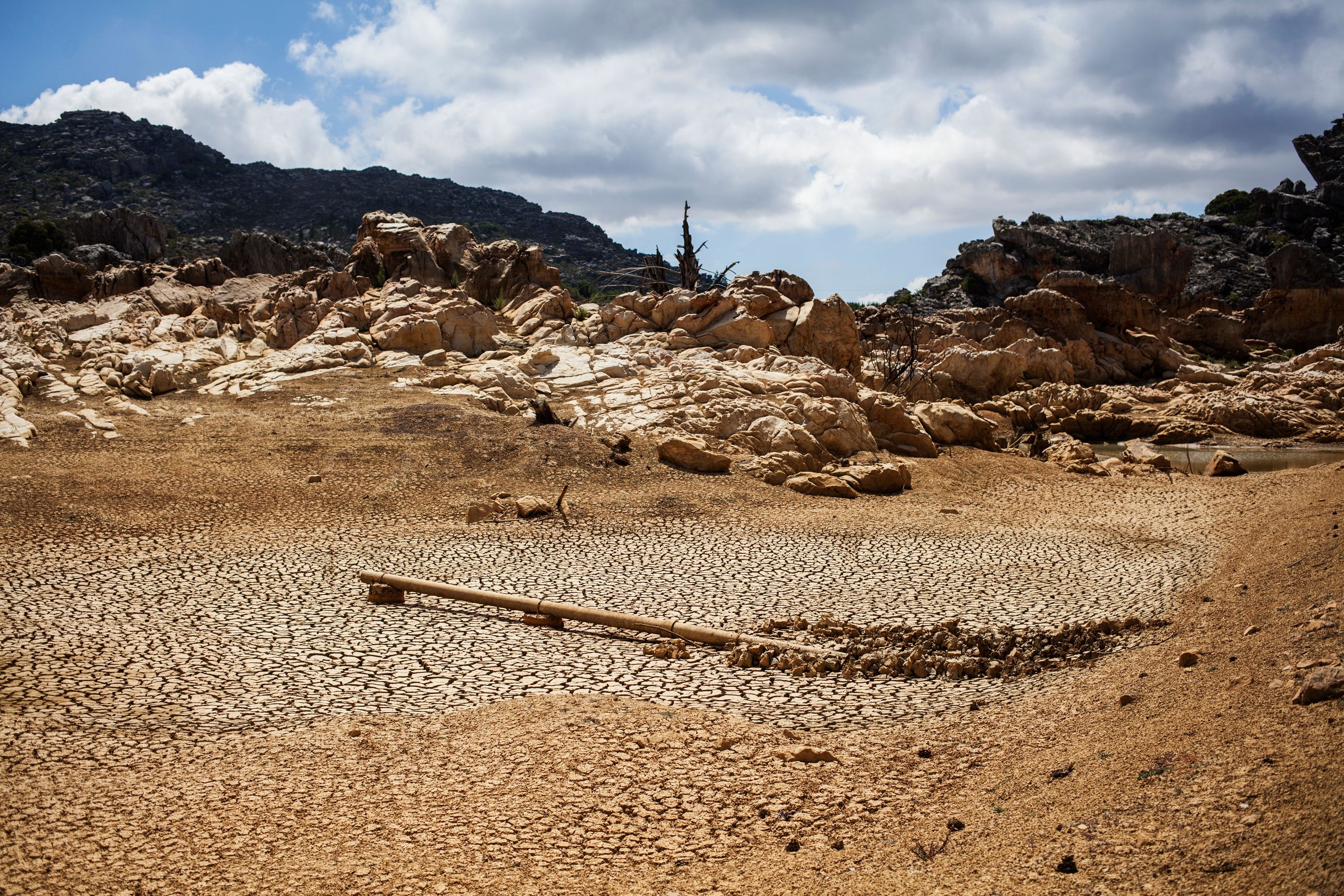
In a recent paper I looked at drought-related cholera outbreaks in Africa and the implications of an increase in dry periods as a result of climate change. My research is focused on infectious diseases, including cholera, which have several links and relationships to droughts.
I focused on the subject because droughts are generally an understudied natural hazard. This is perhaps due to their complexity involving meteorological, hydrological, agricultural and societal changes. I sought to collate historically reported risk factors and understand which regions had reported these drought-related outbreaks. I found a lack of literature on the subject but there were several inequities that were repeated and that must be addressed to support drought affected communities better, including food and water assistance.
Climate change and cholera
One consequence of a warming world is prolonged dry spells and periods of drought. And a known consequence of droughts and their associated risk factors are infectious disease outbreaks, which are worsened by malnutrition, poor access to water, sanitation and hygiene and population displacement.
These are perfect conditions for a rise in outbreaks of cholera.
It’s hard to predict where future droughts will happen. But available evidence suggests that some areas of Africa are likely to see more intense and longer droughts. How long and how intense, will likely rely on how countries adapt and respond, including the management of water.
Suggested mechanisms through which droughts may exacerbate the transmission of cholera include elevated concentrations of the pathogen, multi-use drinking water, reduced fuel for cooking and using alternative foods and water.
Cholera has known environmental and climatic links. But some research has suggested these may only be important up to a certain threshold, then socio-economic conditions are needed to make the human-environment link.
Evidence for this is clear in the areas which suffer from cholera outbreaks following climatological events. For example, Europe and North America have a long history of drought and dry spells but cholera outbreaks do not follow. This is because there is widespread access to safe drinking water and sanitation.
Drought and cholera outbreaks can also result in displacement, a risk factor commonly cited as causing infectious disease outbreaks. Displacement can help to spread cholera to new areas. For example, during the Mozambican drought in 1991-1992, over one million people were forced to seek refuge elsewhere. This resulted in an influx of refugees to Zimbabwe, which subsequently suffered a fast-moving cholera outbreak.
Other population groups that suffer particularly badly in times of drought are nomadic communities and poorer rural communities. This is due to their reliance on agriculture, inability to afford alternative water sources and isolation from society.
Mitigation
I conclude in my paper that disasters don’t cause outbreaks. Rather its societal response, or the lack thereof.
Arguably the most fundamental way to reduce the impacts of drought and resultant cholera outbreaks is to alleviate population vulnerabilities before the hazard occurs. Such steps include:
-
expanding access to water and sanitation,
-
alleviating poverty, and
-
reducing the marginalisation of groups.
This would enable people to adapt better to a changing climate.
In addition multi-country drought response plans and water agreements are needed. How one country manages a water source can have a knock-on effect and drought rarely affects one country in isolation.
When cholera outbreaks do occur, the response needs to be rapid, due to its short incubation period – less than two hours to five days.
Oral cholera vaccines are an essential tool in controlling outbreaks, along with providing chlorinated water.
More awareness of the implications of drought on health are needed including enhanced research, technology, surveillance and forecasting to assess health under an interdisciplinary lens. Better drought diplomacy, which involves using drought-related activities to create fresh diplomatic opportunities and not conflicts, is needed at all levels to improve the capacity to cope and offer effective solutions.
Communities also need to be consulted and encouraged in climate adaptation talks and negotiations.
The current cholera pandemic shows no signs of waning and remain unlikely while so many people live in conditions that allow its transmission. These issues will only be worsened as climate change progresses. A greater call to action is needed to provide the basic human right of water and sanitation.


