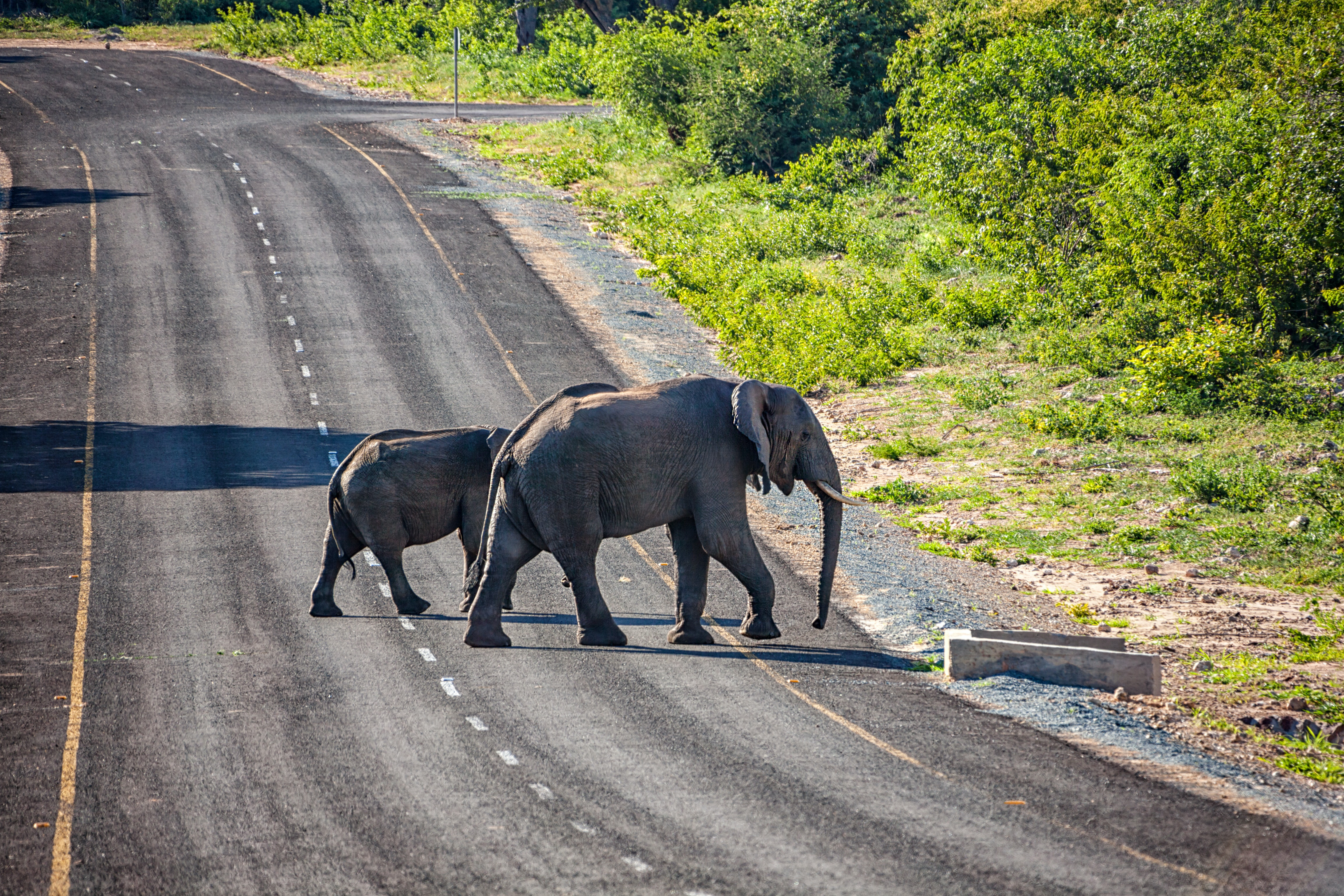
The African forest elephant (Loxodonta cyclotis), the African savanna elephant (Loxodonta africana) and the Asian elephant (Elephas maximus) are all highly threatened species. The International Union for Conservation of Nature has identified poaching, habitat loss, and human-elephant conflict as threats common to the species.
Addressing threats to elephants requires public and political will to take action. As elephant conservation relies on international funders, elephant conservation requires support from people within elephant-range countries along with people around the world. For example, from 2010 to 2017, international donors provided US$500 million towards anti-poaching programmes across Africa.
What the public believes to be the primary threats to elephants has an impact on how conservation issues are prioritised and funded. But public views are informed by the media’s coverage of conservation threats.
Social media’s reach has helped to bring attention to elephant conservation globally. But if attention on social media is not aligned with the primary threats to elephants, public support – and therefore political will and funding – may be misdirected towards issues and campaigns that don’t benefit wild elephants.
In our new study, we analysed tweets about elephants posted during 2019 to understand whether the most pressing threats – as identified by International Union for Conservation of Nature – received the most attention.
We found that attention on Twitter did not align with the most pressing threats. Habitat loss and human-elephant conflict received relatively little attention.
The study also highlighted a difference between people who lived in countries that had elephant populations, and those that didn’t. Conflict between elephants and humans was an important issue for people living in countries with elephants. But it got little attention from people who didn’t live in areas that had elephants.
Habitat loss received little attention from all Twitter users (less than 1% of all tweets about elephants).
Our findings are concerning as the lack of attention for habitat loss and human-elephant conflict may result in these issues being perceived as less important and, therefore, less likely to receive funding and attention from policy-makers.
Elephants and people
Human-elephant conflict is a complex problem which often pits local people’s livelihoods and safety against the conservation of elephants. Unfortunately, on social media, there is a misperception that elephants live in wild places without people, and that conflict occurs only because people have encroached on elephant habitat.
In reality, elephants are not confined to protected areas but live in shared landscapes, where there are no fences to separate people and elephants. Research suggests that up to 70% of African forest elephants live outside protected areas.
Living with elephants comes at a high cost to local communities. For example, Botswana is home to the largest elephant population in Africa. With nearly 130,000 elephants, which spend much of their time outside protected areas, there is frequent conflict with people. From 2009 to 2019, elephants killed 67 people in Botswana, more than any other wild animal.
In Asia and Africa, farmers may lose 10%–15% of their crops to elephants.
Communities living with elephants make great sacrifices for conservation. These sacrifices are rarely acknowledged on social media.
Blame and resentment
Using Twitter’s Academic Research product track, we downloaded all tweets posted to Twitter in 2019 that contained the word “elephant”. Then we read a sample of these tweets and recorded the users’ country and whether the tweet discussed one of the primary threats to wild elephants.
We found that tweets directly related to the threats to wild elephants accounted for only 21% of all tweets. Poaching was the most frequently discussed threat (13%), followed by human-elephant conflict (7%) and habitat loss (less than 1%).
Only 27% of the tweets were from people who lived in countries that had elephant populations. This meant that discussions about human-elephant conflict – and other issues most important to elephant-range countries – were often overshadowed by predominantly western Twitter users.
When human-elephant conflict was discussed, it was typically in response to elephants being killed. International media coverage of human-wildlife conflict often portrays local communities as uncaring and blames them for conflict. For example, one tweet said:
If humans don’t want elephants around their land, then they shouldn’t move their farm right in the middle of the elephant’s habitat. The elephants were there first.
We found that many Twitter users from countries home to elephants took issue with the attention the death of elephants received compared with the limited attention given to the impacts of elephants on local communities.
In line with a previous study, many African social media users criticised western users for putting the lives of wildlife ahead of African people. For example, one tweet from Botswana said:
People get killed by elephants here every day. Breadwinners, parents leaving behind children … Batswana lives in rural areas don’t matter?
Next steps
Addressing human-elephant conflict will become an even more pressing issue in the coming years and decades. This is because habitat loss is expected to accelerate due to climate change, forcing people and elephants into increasing conflict over limited resources.
If people care about elephants and want to see them protected in the wild, they need to care about – and advocate for – the communities that live alongside elephants.
Without support from local communities, the conservation of elephants won’t be possible. More inclusive conservation projects, which provide benefits for protecting wildlife and community rights to manage their wildlife, have increased support for conservation. In contrast, a lack of acknowledgement of the costs of living with elephants, and misperceptions over who is to blame for conflict, threaten to undermine conservation efforts.
Conservationists – and social media users more broadly – need to challenge negative portrayals of local communities, increase awareness of the realities of living with elephants, and acknowledge communities’ rights to manage their wildlife sustainably.


