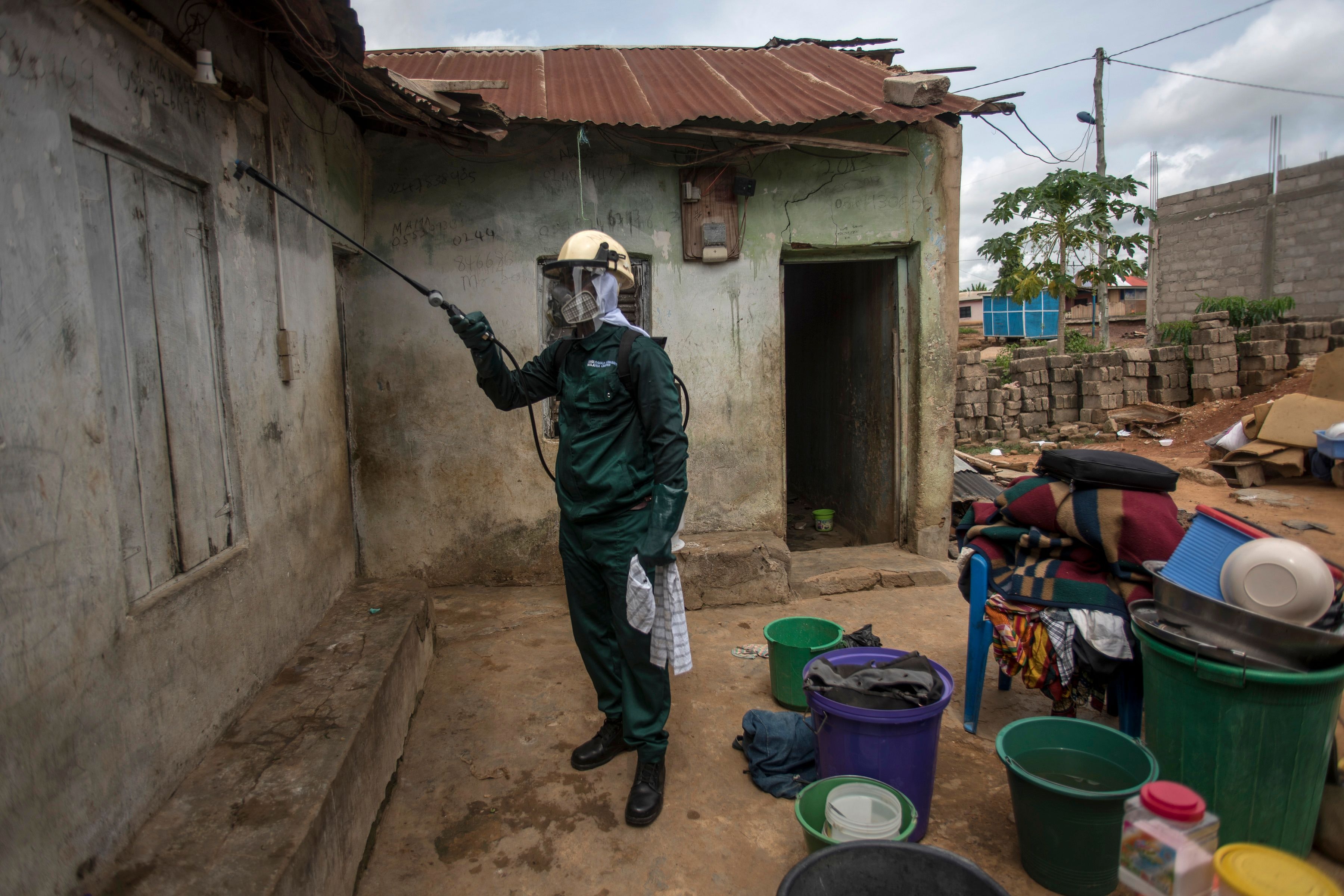
Globally more than 400,000 people die of malaria annually. Africa carries a disproportionate burden of the disease. In 2019, 94% of deaths and cases were recorded in the region.
History shows that two centuries ago, malaria was ravaging some countries in Europe at rates similar to those being experienced in Africa today. In Italy for example, at the end of the 19th century there were two million cases of malaria annually and 15,000 to 20,000 deaths each year. By 1970, the World Health Organisation (WHO) had declared Italy malaria free.
There is a very stark contrast between how Europe responded to malaria back then and how Africa – and countries in other developing regions – continue to approach the problem.
There are intrinsic differences between Europe and Africa. These include the climate – Europe is, on average, much cooler – and the capacity of local mosquitoes to transmit malaria. But the underlying driver of malaria in the two continents is the same.
I have been conducting research and designing interventions for malaria prevention for 17 years. This experience has led me to the firm conclusion that it is a disease of poverty. It prevails in areas with poor drainage, poor housing, lack of access to protective measures and weak health systems.
Long term versus short term interventions
Countries in Europe that achieved malaria elimination did so through policies and practices that were fuelled by economic development. These included building improved houses, environmental management by draining swamps where mosquitoes breed, separating humans and domestic animals and strengthening health systems.
Malaria control in Africa continues to rely heavily on commodity-based interventions. The mainstay for malaria prevention is the insecticide treated bed nets. But they lose efficacy within two to three years and therefore require recurrent replacement. Interventions like bed nets are cheaper in the short term. They also provide a sense of direct and quick return on investment. By contrast, environmental interventions take longer to implement. And their impact is not easily measured in the short term.
Research and development for malaria in Africa is also predominantly geared towards commodities. These include vaccines, drugs, diagnostic tools, insecticides, mosquito repellents and attractants, genetically engineered mosquitoes, and drones that deliver insecticides against mosquitoes. Almost all are funded by international aid.
The popular view of the malaria community is that a combination of these will lead to malaria elimination.
Europe’s experience says otherwise. Even if technological interventions were to perform as well as their developers hoped, access would still be an issue for poor communities in Africa.
In the light of this, the plausible way for Africa to eliminate malaria will be to locate the fight against malaria within the broader economic development agenda. This will require national governments to stop pursuing quick fix solutions that address the symptoms. Policies that tackle the underlying causes of malaria transmission must be adopted.
Unintended consequences
Before the discovery of the insecticide Dichlorodiphenyltrichloroethane (DDT) in the 1940s malaria prevention relied heavily on environmental management and house improvement.
DDT’s effectiveness in wiping out malaria from the US and other parts of the world motivated the WHO to launch a Global Malaria Eradication Campaign in 1955. But, due to logistical difficulties, the so-called global campaign did not include most of Africa where most cases were recorded.
Since then, the focus of malaria prevention strategies shifted away from programmes linked to economic development. Instead they began to focus on short term and repetitive interventions based on drugs and insecticides.
This, in turn, set off an evolution arms race in the malaria research community to come up with solutions to fix the problem of mosquitoes developing resistance to insecticides.
Shifting the power balance
Today the agenda for malaria elimination in Africa is largely dominated by academics from high-income countries, international non-governmental organisations, drug and insecticide industries and funding bodies.
Most of them are geographically distant from the disease and its dire consequences.
To achieve malaria elimination on the continent, Africans need to own the agenda. External partners must support the local agenda and avoid any sense of supremacy. This can be done in a number of steps.
The first would be for African politicians, economists, scientists, and their partners to rethink the current approach to malaria elimination. They should develop a strategy that is locally driven, long term and embedded in a larger country development plan. And African governments need to reduce their over-reliance on external aid and increase local funding for health. External handouts have rarely resolved a serious societal problem. Malaria is unlikely to be the exception.
The second step would be to invest in educating a critical mass of African malariologists with a broad and relevant understanding of the links between malaria, poverty and local economic and social development strategies. This understanding should be the basis for generating operational research questions that address the real bottlenecks for malaria elimination.
In this context, technology should be exploited as an enabler of a broader development programme.
Finally, the third step would be to empower affected communities to participate in the fight against malaria. Africa is home to a growing and young population. It should be leveraged to implement innovative community-based interventions against the disease.


