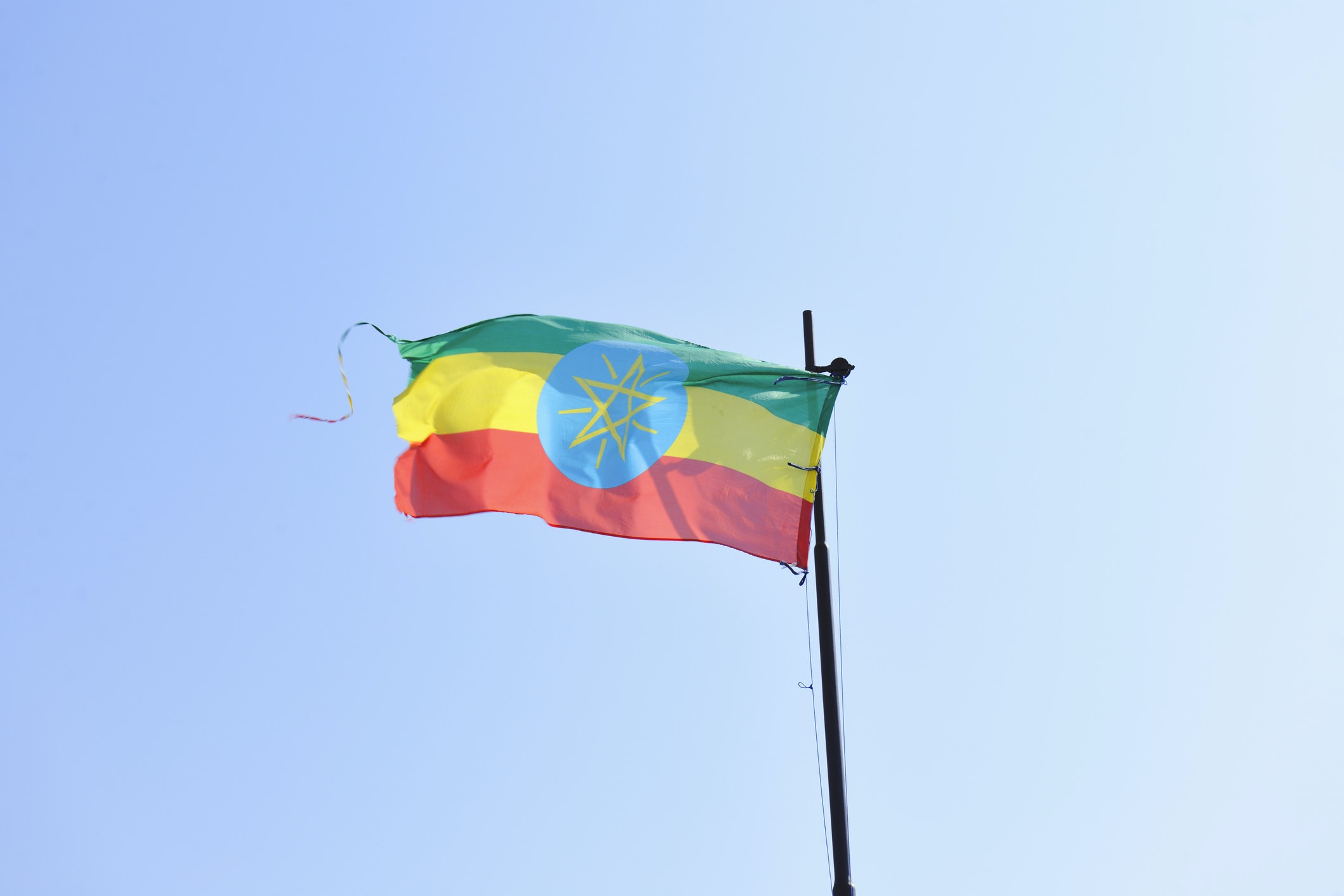
The main combatants in the two-year Ethiopia-Tigray war have announced a dramatic pause in hostilities. What started on November 3 2020 as a swift armed mission by Ethiopian prime minister Abiy Ahmed to bring the rebellious state of Tigray to order soon degenerated into a humanitarian nightmare in which innocent civilians have been killed and many more rendered homeless or destitute.
As many as 500,000 people had died as a result of war-related violence and famine by late 2022. In 2021, Ethiopia reported 5.1 million internally displaced people in 12 months. This, according to a report, is the highest number internally displaced in any country in any single year. Millions more have fled to Sudan as northern Ethiopia, especially Tigray, remains cut off from food, water and medical aid.
Over the course of the war, various scholars have written important articles for The Conversation Africa on the war and its devastating consequences. Here are five essential reads.
1. African Union’s failure to broker peace
The African Union pledged in 2016 to “silence the guns” by the end of 2020: to end armed conflict on the continent. But until now the AU has not exerted its influence to broker a ceasefire or find peace over the past two years.
Most international actors, such as the UN, the US, the EU and the UK, condemned the resumption of hostilities in recent months and the involvement of Eritrea in the war. But the AU did not.
Mulugeta G Berhe writes that the AU’s chairperson and his high representative failed Africa at a critical moment.
Read more: Tigray war: two years on, the AU has failed to broker peace and silence the guns
2. Why Tigray’s army is holding off the onslaught
For almost two years, the governments of Ethiopia and Eritrea – along with Amhara regional forces and militia – have waged war against Tigray’s regional government and society. Tigray is a tiny ethnonational group that makes up about 6% of Ethiopia’s population of 121 million. Yet it has been able to hold off well-armed military forces.
Asafa Jalata, a sociologist who has written extensively on the cultures of nationalism in the region, sets out the historical roots of Tigray’s resolve to keep at bay a far greater military might than its own.
3. The history behind aid blockades
Nearly 40% of northern Ethiopia’s six million inhabitants face “an extreme lack of food”. This is not the result of a natural disaster, writes Martin Plaut:
it is a famine induced by the closure of the borders of Tigray by Ethiopian, Eritrean and Somali forces, reinforced by militia from Ethiopia’s Amhara and Afar ethnic groups.
Asmara’s determination to crush the Tigrayans stems from the longstanding, complex and visceral enmity between the Eritrean People’s Liberation Front – now renamed the People’s Front for Democracy and Justice – and the governing Tigray People’s Liberation Front.
Read more: Famine in Ethiopia: the roots lie in Eritrea’s long-running feud with Tigrayans
4. Healthcare workers are ‘fair game’
Tragic stories of human suffering have emerged from Tigray since 2020 – such as women’s malnutrition resulting in childbirth complications and deaths. It’s not only the patients who are suffering, write Hailay Gesesew, Fasika Amdesellassie and Fisaha Tesfay. Despite being protected by international laws, healthcare workers and health facilities in the region are extremely vulnerable. Since the war broke out, healthcare workers have lost their jobs, been displaced, and been wounded, threatened or killed.
Read more: Tigray’s healthcare workers haven’t been paid in over a year — and bear the brunt of the war
5. Centuries of the world’s history at risk
The Tigray region’s heritage sites have been deliberately targeted. The bombing and destruction of centuries-old churches, as well as other religious sites, strikes at traditional power structures. To appreciate the weight of these attacks, the role and influence of the church in Ethiopia needs to be understood, explains Hagos Abrha Abay. The church underpins historical and modern claims of political and military authority in Ethiopia. It has shaped community identity and informed cultural narratives.
Read more: Ethiopia’s war in Tigray risks wiping out centuries of the world’s history


