Close to 690 million people, or about 9% of the world population, are hungry. That’s according to the 2020 State of Food and Nutrition Security in the World report – and the numbers are trending upwards.
Urban areas are generally perceived as having less food insecurity than rural areas, because of the variety of foods available in supermarkets, traditional food markets, restaurants and fast-food outlets. But abundance of food in urban areas does not mean that everyone has equal economic access and can afford healthy foods.
The 1996 World Food Summit defined food security as “when all people, at all times, have physical and economic access to sufficient, safe, and nutritious foods that meets their dietary needs and food preferences for an active and healthy life.”
In Ghana, urban poverty is lower than the national average – 10.6% against 24.2% – but many city dwellers cannot afford to eat enough. One study found that 36% of urban households suffered from hunger, and 29% and 5% skipped meals or had delayed meals respectively.
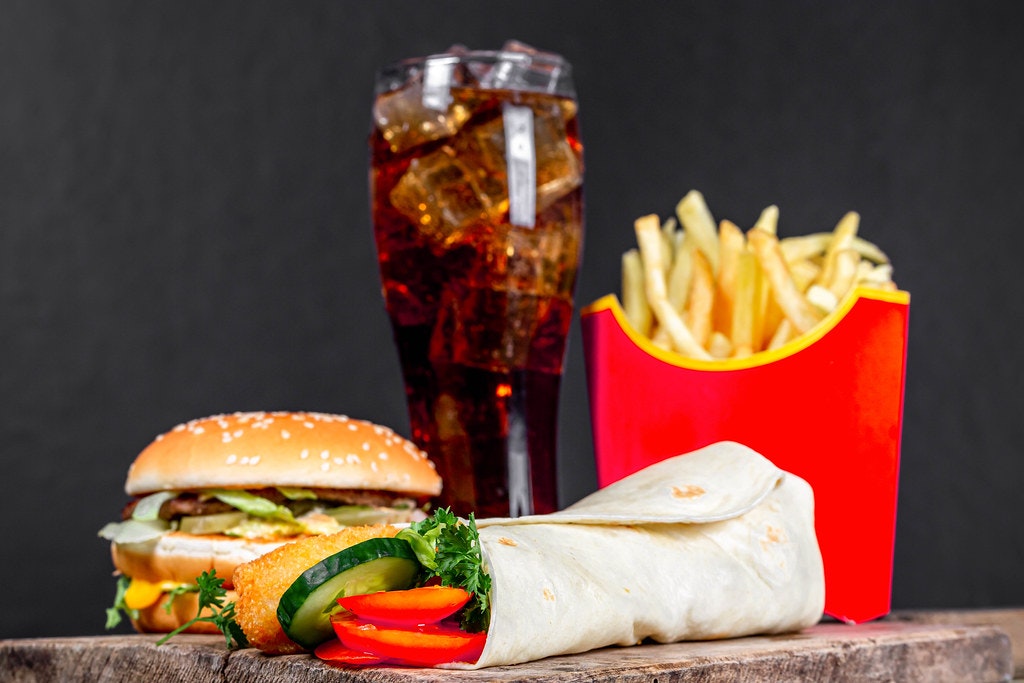
Currently, the culture of food in urban Ghana is changing towards the consumption of fast food, with implications for local food culture. But few studies have analysed those implications.
I study food systems and emerging cultures of food consumption in Ghana. In a study published last year, my colleagues and I sought to understand the social and demographic dynamics of fast food consumption in Ghana.
We found that consumption of fast food was shaped by many factors including gender, age, marital status, time constraints, ability to cook and income levels. Our study contributes to understanding the socio-cultural dynamics of fast food consumption in Ghana.
Fast food in urban Ghana
Our study was based on a review of existing studies on fast food in Ghana. We reviewed literature on the socio-cultural dynamics and characteristics of fast food consumers in Ghana.
Fast foods are becoming more widely available in urban Ghana through dine-in, takeaway and delivery services.
The restaurant sector in general represents the largest and fastest growing part of the Ghanaian domestic economy, increasing at a rate of 20% annually. While this growth rate is predicted to continue, the presence of food is not the only thing that matters when it comes to food security. Affordability and healthy diets are other considerations.
Our study found that income levels determined the rate at which Ghanaians patronised fast food outlets. We found that middle- and high-income earners were key consumers of fast food. These are Ghanaians who are employed or run a business and often have disposable incomes to spend on emerging lifestyles including consumption of fast food. High income earners were able to consume fast food at least once a week, including on special occasions and festive days, regardless of the cost.
Low income earners mostly consumed fast food on festive and special occasions only. The very poor were unable to consume fast food even on festive days unless they received it as a gift, primarily because fast food is expensive in Ghana.
For instance, a medium size pizza costs on average 50 Ghana cedis (US$8) in most fast food restaurants in Ghana. The country’s daily minimum wage is 12.53 Ghana cedis (US$2.07).
The high cost is largely attributed to investment and overhead costs such as taxes, electricity, newspapers, advertising, rent, air conditioners and security borne by the restaurants. Besides, fast food restaurants largely depend on imported raw materials such as rice, chicken, tomato paste, flour and other ingredients.
Based on findings from our study, it is important to note that, although fast food is physically available and accessible in urban areas, not all Ghanaians have equal economic access. Thus, proliferation of fast food in Ghana would not enable the poor to become food secure. Our study has implications for policies seeking to promote food security in urban Ghana.
Conclusion
In the developed world, fast food is cheaper than in the developing world. Fast food brands in developed countries often target people in low socio-economic brackets by rolling out heavily discounted menus.
The situation is different in Ghana. Fast food brands target high- and middle-income groups who have incomes to adopt so-called modern lifestyles, including consuming fast food regularly. Thus, in Ghana, people who are already food secure are those who can afford fast food.
Drawing on the cultural changes that fast food has brought to developed countries, I foresee that poor people in Ghana will be able to afford fast food in future. This will happen because prices will go down as fast food restaurants compete against each other. That will expand economic access to fast food in Ghana – but also increase the number of people exposed to the health risks of fast food.


