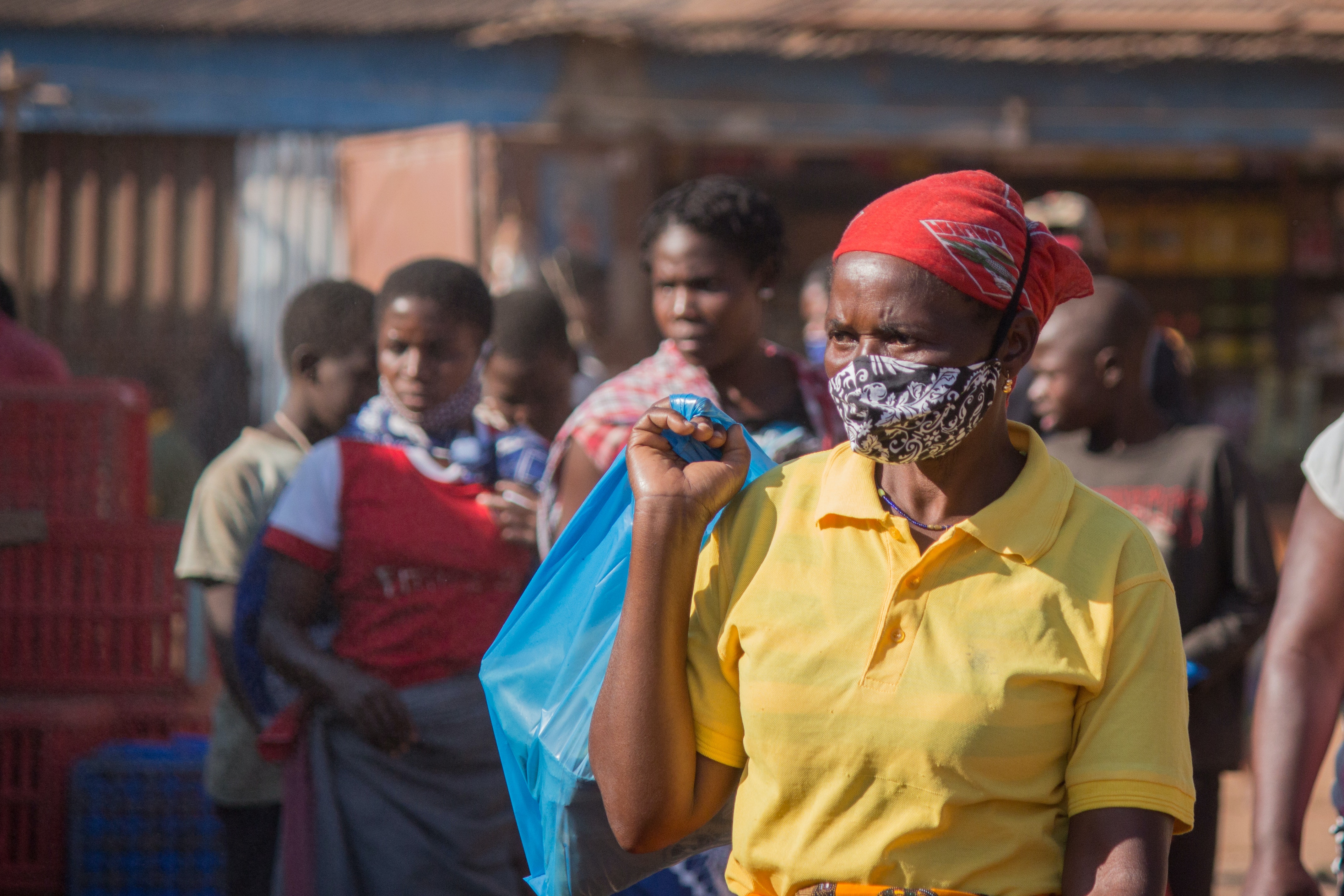
Globally, cases of COVID-19 and related deaths are lower in June 2022 than they were at the beginning of the year. But the infection numbers are rising. Africa is no exception.
The past two years have caused unimaginable disruption of normal life. And these disruptions continue to delay the recovery of economies and health systems in Africa.
To meet the continuing health system challenges and avoid the same fate in future pandemics, African countries must take bold actions to repair their health systems and make them more resilient.
The Independent Panel for Pandemic Preparedness and Response set up by the the World Health Organization (WHO) released its second report in May 2022. In advising on how to curtail the current pandemic and prepare better for the next one, the report draws on scientific research and expert round-table discussions.
I contributed to this report, Transforming or Tinkering? Inaction lays the groundwork for another pandemic, which recommends global and local actions. As different continents and countries are at different stages on the road to meeting these recommendations, African countries should extract the actions relevant to them and work these into their health systems and epidemic preparedness plans.
The recommendations from this new report build on those from previous reports by the panel. They looked at five aspects: equitable access to tools; health financing; the WHO’s role in surveillance, detection and alert; political leadership; and preparedness. The new report updates the recommendations to fix a still broken public health system.
Five actions to fix the system
1. Make tools available to all equally
The first action the panel recommends is to stop the current COVID-19 pandemic through equitable access to health tools such as medical supplies.
In 2020 the WHO launched the ground-breaking Access to COVID-19 Tools Accelerator. This global collaboration was intended to accelerate development, production and equitable access to COVID-19 tests, treatments and vaccines. It is now widely accepted that, when judged against equitability and access, the accelerator has not met expectations. For example while the global vaccine coverage for the first vaccine dose is 66%, for Africa this figure is 17.8%.
The panel recommends a comprehensive and independent evaluation of the Access to COVID-19 Tools Accelerator, involving civil society. The aim would be to learn lessons and improve it. African experts should contribute, because the continent has suffered most from inequitable access to COVID-19 medical products such as rapid tests and vaccines.
African governments should call for global intellectual property waiver policies for COVID-19 tests, treatments and vaccines and use these to grow domestic pharmaceutical capabilities. They should also push for a pre-negotiated platform to facilitate equitable and timely access to medical products on the global market during emergencies.
2. Make finance available
The second recommendation is to have a preparedness financing structure that “involves and serves every country”. Funds set aside for pandemic preparedness and response, primarily by G20 nations, were inadequate for the the COVID-19 response. Dispersion was slow and the little available funds resulted in lower-income countries incurring more debt. Going forward, international pandemic funding should be based on ability to pay and needs prioritisation.
3. Strengthen the WHO
The panel also called for strengthening the authority and financing of the WHO through increased member state fees. The aim would be to augment WHO’s function of surveillance and detecting new threats leading to earlier warning. Differences in COVID-19 epidemiology and impact clearly demonstrated that Africa’s health policy requirements must be informed by local events and data rather than global trends. So the WHO’s regional body needs more support to respond in ways that are relevant to the African context.
4. Improve political leadership
The report identified a lack of coordination between national governments, regional bodies, UN agencies and other stakeholders. The recommendations call for a UN political declaration on pandemic preparedness and the establishment of a UN Council for Pandemic Preparedness. African countries should be represented on these bodies. Strengthening the authority of the WHO’s African body and the African Union to rapidly announce potential pandemic threats, investigate them and recommend interventions without country impediment will expedite appropriate responses.
5. Prepare
The report makes several suggestions for preparing for the next pandemic. At a global scale it recommends formalising a periodic review of universal health coverage. And countries should conduct transparent reviews of their COVID-19 responses and learn lessons for future pandemics.
But COVID-19 has clearly shown that current indices of preparedness, such as COVID-19 readiness status, did not distinguish between lack of preparedness and vulnerability. Africa was rated as poorly prepared for COVID-19 but was actually less vulnerable because of many factors, including demography and outdoor lifestyle. Therefore, preparedness indices should be revised to have a more comprehensive perspective of preparedness, vulnerability and resilience.
The next pandemic is unlikely to be COVID. The world must plan for new threats. The G7 has an ambition to be able to develop biological intervention to future pandemic threats within 100 days. But the experience of the 10 year wait for HIV antiretrovirals and challenges accessing COVID-19 vaccinations shows that the wait will be much more than 100 days for innovations from other continents to reach Africa. Therefore African countries needs to strengthen its basic public health interventions that protect across many different pathogens.
Superimposing responses to a new disease on already weak health systems in Africa has further weakened them. So in addition to public health, Africa’s preparedness plans need to focus on health system strengthening and resilience.
The next pandemic
When acting on the panel’s recommendations, African countries must adapt them to address their specific health system weaknesses, such as the ability to produce medical supplies domestically.
African governments and institutions also need to improve medical procurement and regulatory processes through already existent regional institutions and structures.
Only through domesticating the recommendations will African countries derive the greatest benefit and support from global initiatives.


