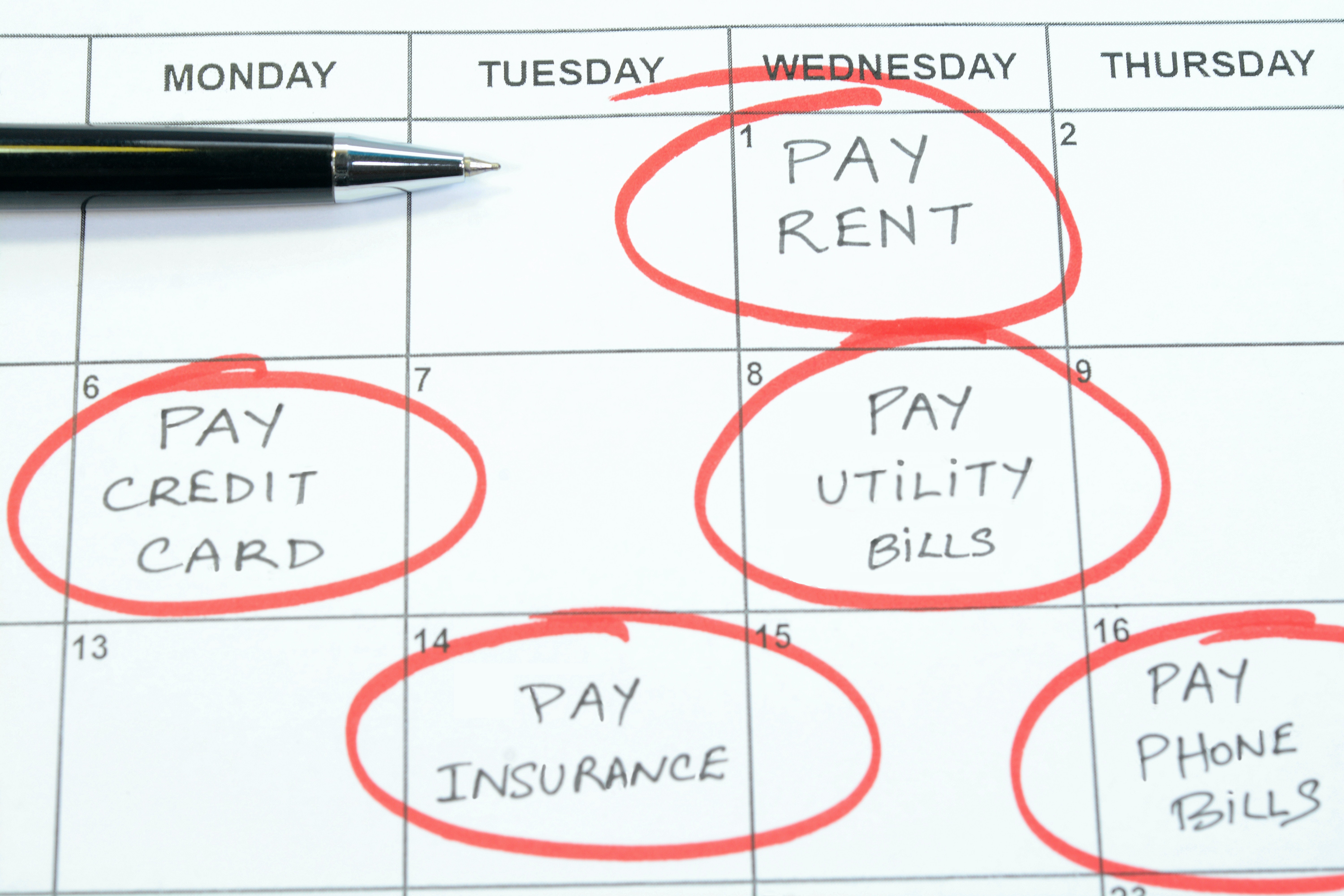
There’s nothing quite like a new year to prompt us to take stock of our lives, our health, our goals – and our finances. Many people will start 2023 by contemplating how best to budget, plan and save. This is always a good set of aims, but it’s especially important in the inflation-prone and unpredictable economies we’re seeing all over Africa and the world.
Budgeting is especially key. It is the most effective method to monitor income and expenditure. Personal budgets can help you to monitor your resources in pursuit of larger financial goals. Budgeting also offers more opportunities to save money, reduce your debts and live a comfortable life. It can even improve your mental health.
But where should you start? What questions do you need to answer in creating a budget? Here are some tips that I’ve learned – not just as an economist, but as a research cost analyst and someone who keeps a budget too.
1. Understand the broader economic conditions
It is imperative that individuals keep themselves aware and up-to-date on the realities of their country’s economic landscape. You don’t have to be a professional economist, but keep an eye on new developments like free business registration, small business development funds and printing of new money notes. What is the current exchange rate? What’s the political landscape and what international factors, like the price of crude oil, are at play? You should also watch the inflation rate and have a sense of unemployment trends.
This economic awareness will prepare you to draft your own budget and you’ll have a sense of when external factors mean it’s time to revisit your plans.
2. Review your income sources
The ability to earn income is critical to sustaining livelihoods. Having a definite source of income is the bedrock of budgeting.
Some important questions you should ask about your income – and how you might budget with it – include:
- What is my current income?
- What do I use my income for?
- Am I able to save, given my current income?
- What proportion of my income do I save and what proportion do I spend?
- Do I have the capacity to earn more than this?
- How can I improve my income?
Your answers can help you to identify gaps or untapped potential. Those with irregular or unpredictable income should factor in the element of time-gap in their income, for effective budgeting. Time gap is when they are not earning income. And everyone should make allowance in their budgets for uncertainties like health issues, social engagements, inflation, unemployment, recession and price shocks.
3. Appraise your expenses
Expenses can be broadly categorised into “variable” and “fixed”.
Fixed expenses recur within a short period: housing, food, transport, medical costs, electricity, utilities, toiletries and clothing. Variable expenses are more long-term and irregular, such as investment in property or interest-yielding assets, and the purchase of machinery.
The main essence of revising our expenses is to analyse and possibly improve our spending habits. In reviewing our expenses, we can consider issues such as:
- What is the proportion of consumption-savings ratio from my income? This is how much do I spend compared to how much I save.
- What are my regular expenses?
- What are my fixed, capital or investment expenses?
- What are my extraordinary expenses that need modification?
- Have there been emergency or extraordinary expenses?
A careful response to the issues raised above offers an occasion to re-evaluate the pattern and direction of our expenses. For instance, overspending, unplanned or extraordinary expenses can be identified. This can lead to an optimal, efficient reallocation of available resources.
4. Stabilise your finances through savings
Savings have been described as a financial stabiliser, given their potential to cater for urgent needs and create opportunities for investments.
Of course, savings have more value when they grow faster than the rate of inflation. Inflation erodes the value of savings. For instance, an amount of 300,000 naira (US$676) saved to purchase an autorickshaw today may be impossible in two months’ time with an inflation rate of 10% when the tricycle price rises to 330,000 naira (US$744). The reverse is the case when there is deflation.
Therefore, it is advisable to improve the value of savings through investments in interest-yielding assets such as stocks, shares, bonds, microfinance and production.
That’s not to say it’s always easy to save. Many income earners spend as they go, not seeing savings as part of their budgets. Harsh economic realities can also make it difficult – sometimes seemingly impossible – to save. But it’s not impossible: savings can be made in small amounts, through a daily, weekly or monthly contribution to collections, cooperative schemes or microfinance affiliations. For instance, a point of sale business in Nigeria can permit a daily contribution of 500 naira (US$1.13) over 25 work days, giving an average saving of 12,500 naira (US$28.18) per month.
The Point-of-Sale business started in Nigeria in 2013 when the Central Bank of Nigeria introduced the agent banking system. A POS agent operates and processes transactions through a POS service provider. Providers of such services include banks, microfinance banks and fintech companies.
5. Run a flexible budget
Once your budget is created, remember that it’s not set in stone. It should be flexible if anything changes in your life. For instance, an amount saved to buy a car can be invested in a promising venture buying shares through public offerings or private placements in multinational organisations like Nestle or Unilever.
Also, health emergencies or career advancement programmes can require taking some money out of our savings.
In all, budgeting should be flexible enough to incorporate exigencies, especially when catering for the current situation will culminate into a greater good.


