Flaws in the collection of African population statistics block COVID-19 insights:
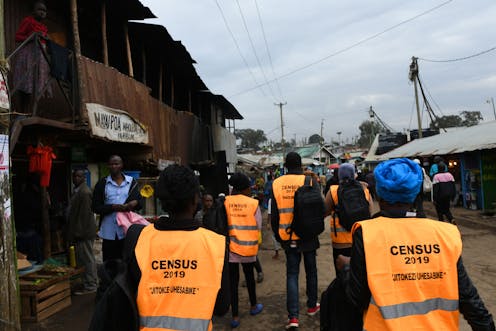
Hundreds of thousands of cases of the novel coronavirus have been confirmed in African Union member countries. In order to mitigate the spread of the virus, and the burden it poses for health in Africa and globally, countries need to deliver evidence-driven interventions.
Understanding what shapes the outbreak is vital to containment efforts. Demographers are generating insights into how differences in population age structure and the age composition of confirmed cases could explain variations in the spread of the virus and its case fatality rate.
The findings of these studies and others show how demographic factors such as age, sex and other socioeconomic factors may explain who is most exposed and vulnerable to the virus.
For example, multiple studies published in JAMA Internal Medicine and The Lancet suggest that mortality from the novel coronavirus is associated with higher ages, in part because of weakened immune response in older people. The case fatality rate was also reported to have increased in Italy along with changes in the age composition of confirmed cases.
The age structure of the African region’s population is different from those of Europe and North America, though. According to World Bank data, about 42% of the population in sub-Saharan Africa was under 15 years old in 2019. This age group made up only about 15% of the European Union population. There is a need to understand whether the composition of Africa’s population could result in a different pandemic outcome from that seen elsewhere.
The statistics so far indicate that the majority of tested and confirmed cases in the region are in the younger age groups. In Eswatini, Malawi, Nigeria and South Africa the majority of confirmed cases are people in their 30s.
But within Africa, using what little data is available so far, it also appears that there may be important differences between countries. For example, a significant percentage of those who have been tested and confirmed positive of the virus in South Africa are women, while more men have tested positive in Nigeria.
Although the younger age groups are at least at lower risk of mortality from the coronavirus, there is speculation that the burden of chronic illnesses and non-communicable diseases in the region might contribute to a differing age pattern of mortality in African countries. The available data from South Africa (as of July 1, 2020) suggests that about half of all confirmed deaths from the coronavirus in the country are between the ages of 50 and 69 years.
As demographers who have studied population dynamics and the social determinants of health in various African contexts, we are concerned that weaknesses in data collection and collation may make it more difficult to tailor solutions for specific populations.
More importantly, understanding who is most at risk from the virus will allow policymakers to improve the allocation of health resources to those who need them most.
Data lacks detail and consistency
The governments of several African countries have been reporting counts of confirmed cases, recoveries and deaths related to COVID-19, without a breakdown by age and sex. That information could help governments make more effective decisions about this pandemic and future outbreaks. It has done so in several developed countries. For example the data has been used to guide the confinement of older adults and vulnerable people in the European Union.
There is also a need for standard reporting of the age of confirmed cases, so that they can be compared internationally. But in Africa, countries where information on the age and sex of confirmed cases is available, it’s often presented in entirely different ways that can’t be precisely compared with other countries.
For instance, age data are usually presented in single years, five years (for instance between the ages of 0 and 4) and 10 years (for instance between the ages of 10 and 19) age groups. But, for example, the age composition of confirmed cases in Nigeria is reported as under 11, between 11 and 20 and so on. Ethiopia reports wide age intervals such as between the ages of 1 and 80.
In addition to this, the lack of complete and quality civil registration and vital statistics, particularly on the cause of death, is a huge data limitation in many African countries. The pandemic has revealed these weaknesses too. Many high-income countries can at least quantify the actual number of deaths from the coronavirus. But many African countries cannot, in part because of lack of complete data on death registration.
What needs to be done
In the short term, the relevant departments or ministries in African countries must ensure that standardised and detailed data collection is part of national COVID-19 plans. This is to achieve better outcomes for the population. Such data should be publicly available for researchers to generate new insights into the pandemic.
In the longer term, countries need routine and accurate collection of statistics about populations. These should cover vital events such as mortality, fertility and disease outbreaks. Further delays in strengthening these systems will limit research that is relevant to the African context.

The authors do not work for, consult, own shares in or receive funding from any company or organization that would benefit from this article, and have disclosed no relevant affiliations beyond their academic appointment.
Source: The Conversation – Articles (AFRICA)
Read more on The Conversation.
Join the fun: Add Your event | Submit a Press Release | Add your listing.


