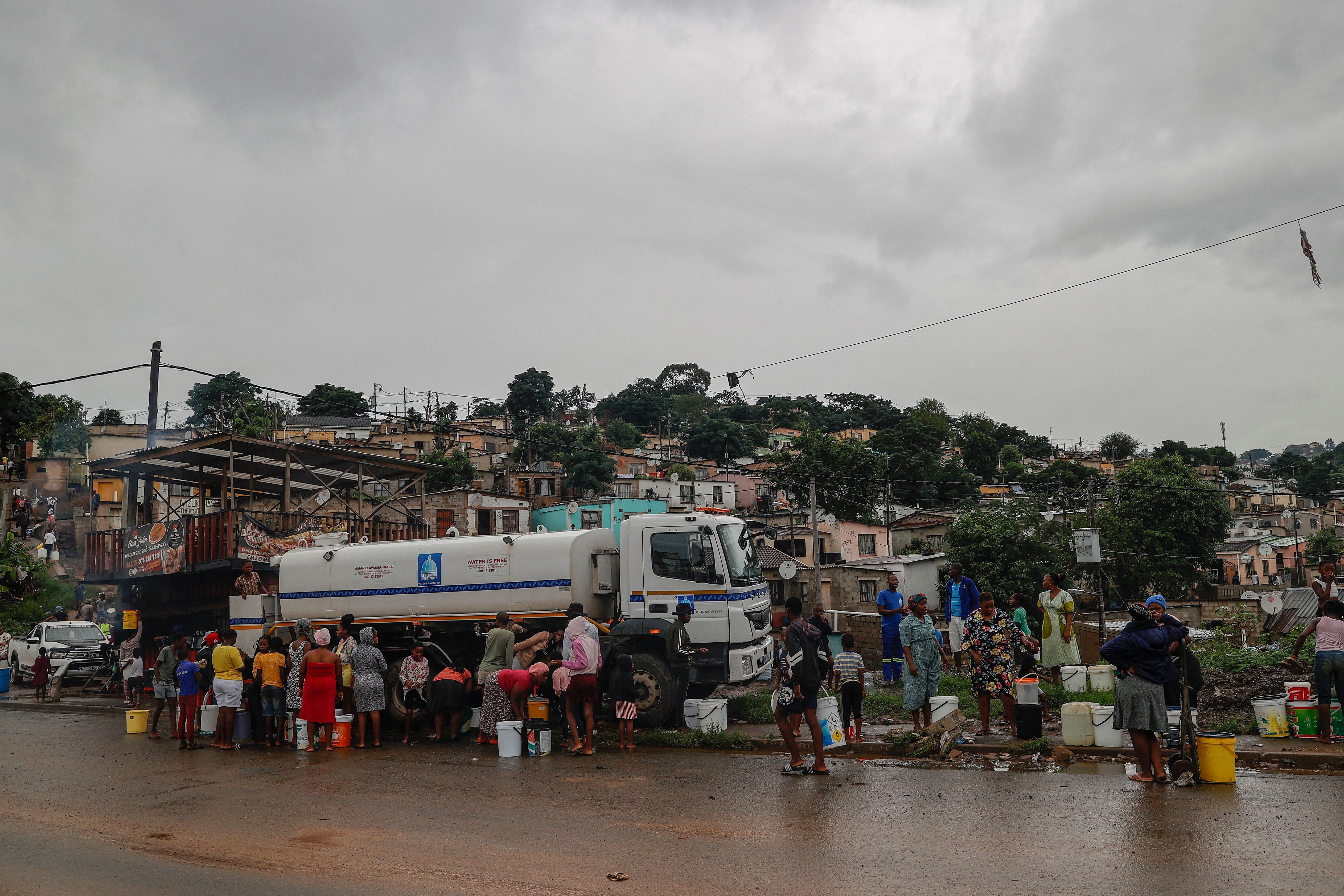
Recently South Africa has experienced heavy rains which resulted in floods in some parts of the country. In the coastal city of Durban hundreds of people have died and families have been displaced in the aftermath. Water pipes, sewerage systems and roads have also been damaged. Public health experts, Juno Thomas and Linda Erasmus from the country’s National Institute for Communicable Diseases explain what kind of health risks can emerge as a result of flood disasters and what actions can be taken.
What health risks do floods create?
Flood disasters result in five categories of health risks:
-
Acute events: drowning and trauma
-
Noncommunicable diseases: people with chronic health conditions may not be able to access health services or take the medication they need
-
Healthcare infrastructure: damage or disruption to healthcare infrastructure and systems
-
Mental health: anxiety, depression and post-traumatic stress disorder
-
Infection
How do floods result in a risk of infections?
Damage to or disruption of environmental health infrastructure and services (water supply and sewage systems) increases the risk of water-borne and food-borne disease. The displacement of people and overcrowding that often results from flooding provides optimal conditions for outbreaks of respiratory and gastrointestinal illness. Contributing factors in such settings include poor standards of hygiene, close contact among people, poor sanitation, poor nutrition, and poor food safety.
There are four main kinds of infections: cutaneous; respiratory; gastrointestinal; and zoonotic (transmitted between animals and humans) or vector-borne (transmitted by the bite of an infected arthropod species such as mosquitoes or ticks).
Cutaneous infections: Skin and soft tissue infections can follow trauma, for example if someone is cut by a fallen branch of a tree while cleaning up after the floods. These infections are often caused by typical bacterial causes of skin and soft tissue infections; however, fungal infections may also occur.
Respiratory infections: Acute respiratory infections like coughs, colds, influenza and pneumonia are common following flood disasters. Disruption of housing and overcrowding increase the risk of sharing the bacteria and viruses that cause these illnesses.
Gastrointestinal disease: These include cholera, shigellosis and enteric fever. They are caused by taking in food or water that is contaminated with bacteria. The contamination often comes from the faeces of infected people.
Most people who are infected with the bacteria that cause cholera don’t develop symptoms. About 10% will get very sick with diarrhoea and can soon be severely dehydrated. If left untreated, cholera can result in death. Mild cases are treated with oral fluids. More severe cases may require intravenous fluids and appropriate antibiotics.
Symptoms of shigellosis, a bacterial infection, include watery or bloody diarrhoea (dysentery), fever, nausea and sometimes vomiting and abdominal cramps. Severe infection and high fever may cause seizures in young children. There can also be complications later.
Enteric fever has symptoms like fever, headache, abdominal pain, nausea, and constipation or diarrhoea.
Contaminated water can also contain other bacteria, viruses and parasites. Children are typically at increased risk of the infections these can cause. Symptoms include diarrhoea, vomiting and fever.
Hepatitis A is caused by a virus which is transmitted through the faecal-oral route, through ingestion of contaminated food and water or through close contact with an infectious person. Symptoms include fever, malaise, nausea, vomiting, diarrhoea, abdominal discomfort, dark urine and jaundice.
Zoonoses and vector-borne diseases: Flood disasters can change the physical environment to favour an increase in the breeding of some animals and disease vectors. For example, stagnant waters provide breeding sites for mosquitoes.
Leptospirosis is a bacterial disease transmitted to humans through direct contact with animal hosts (rodents, domestic pets and livestock) or through an environment contaminated by animal urine. It is increasingly recognised as an important infection associated with flood disasters.
People who come into direct contact with flood water (for example, by swimming or wading) that is contaminated with the urine of infected animals are at high risk of being infected. Symptoms include fever, headaches, muscle aches, chills, red eyes, abdominal pain, jaundice, vomiting, diarrhoea and sometimes a rash.
Malaria is caused by Plasmodium spp. parasites transmitted to humans through the bites of infected female Anopheles mosquitoes. Common symptoms include fever, sweats, cold shivers, headache, muscle or joint aches, malaise, loss of appetite, nausea and vomiting. Urgent diagnosis and treatment according to national guidelines are important to prevent complications and death. Malaria transmission areas in South Africa include north-eastern KwaZulu-Natal and low altitude areas of Mpumalanga and Limpopo, particularly those bordering Zimbabwe, Mozambique and Eswatini.
Rift Valley fever primarily affects domestic animals, but people can be infected through the bites of the Aedes mosquito. It can also be transmitted through the consumption of unpasteurised milk or the meat of infected dead animals, or contact with the blood or tissues of these animals. Heavy rains and floods can trigger outbreaks of this fever among animals. Most affected people present with a flu-like illness.
West Nile virus disease is transmitted to humans through the bites of Culex mosquitoes. Most infected patients don’t show symptoms, but common symptoms include fever, headache, fatigue, nausea, vomiting, muscle or joint aches, diarrhoea and a rash. Encephalitis or meningitis can occur.
How can infections be prevented after floods?
It is critical that the affected communities have access to safe drinking water. Uninterrupted safe water supply, safe wastewater disposal and solid waste handling are key to preventing large outbreaks of waterborne disease.
Health education is an important preventive measure. Messaging should focus on safe water, hand hygiene, and food safety.
Water can be made safe for drinking and cooking by boiling it for a minute in a clean container. Another way is to mix a teaspoon of household bleach (containing 5% chlorine) into 20-25 litres of water and leave it to stand for at least 30 minutes before use.
It’s important to wash hands with soap and safe water before, during, and after preparing food, and before and after eating. Also wash hands before and after caring for a sick person, after using the toilet and after cleaning up a child.
The World Health Organization’s five keys to safer food are: keep clean; separate raw and cooked; cook thoroughly; keep food at safe temperatures; and use safe water and raw materials.


