Climate change is one of the main factors contributing to recurring floods experienced in many parts of the world over the past years. In 2021, the Intergovernmental Panel on Climate Change reported that emissions of greenhouse gases from human activities contributed approximately 1.1℃ of global warming between 1850 and 1900. Unless drastic measures are taken to curb emissions over the next 20 years, the global temperature is expected to warm by more than 1.5℃. This implies that if extreme measures are not taken, floods will continue to wreak havoc on many regions around the world.
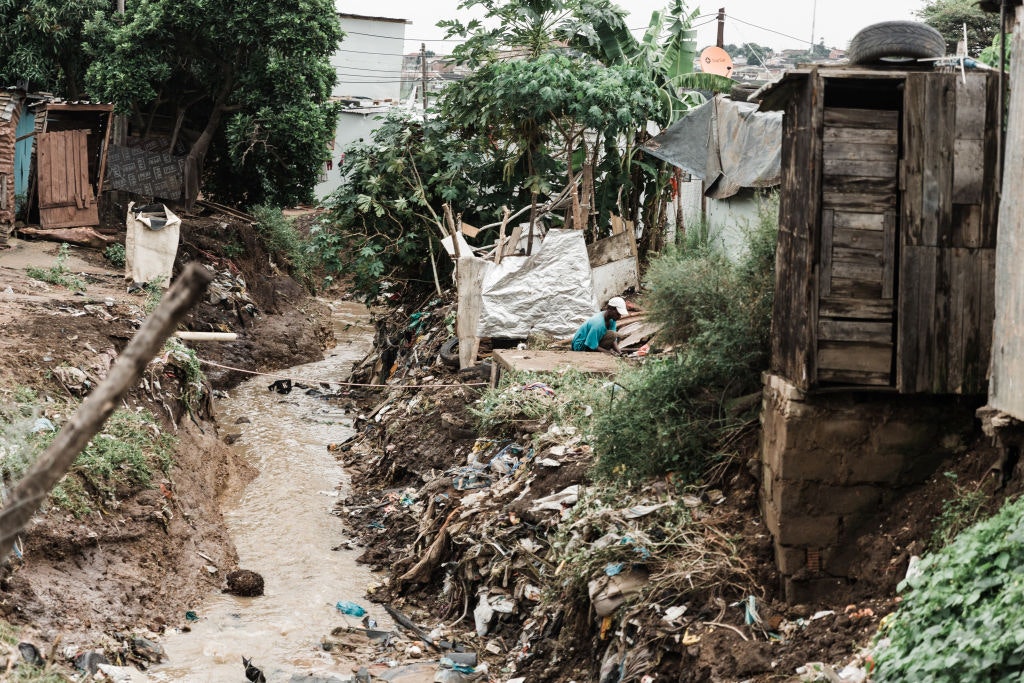
The Durban (eThekwini) area of South Africa has experienced many floods over the recent years. They have wreaked havoc. For instance, in April 2019, a deadly flood and landslides hit the area. The region is currently reeling from what is seen as the worst flood in the history of South Africa. More than 300 people have lost their lives. There is also excessive damage to infrastructure and homes.
When disastrous events like floods are combined with social inequities, their effects are much greater. Impoverished communities, which in South Africa are predominantly black communities, are more likely to face even worse effects. Owing to historical spatial and housing arrangements which were based on “race”, many black communities still occupy flood-prone informal settlements, exposing them to a higher risk of disaster.
After the floods in 2019 we undertook research to explore the vulnerability and adaptation experiences of black women in eThekwini. We selected four local areas that had been severely affected by the flood, including Umlazi, Ntuzuma, Inanda and Kwamashu, for the case study.
The study explored the factors that shaped the vulnerability and adaptation experiences of women. We conducted face-to-face interviews and focused group discussions with a sample community of black African women who had experienced flood effects in the selected localities.
Our research showed that gender interacts with other social factors to expose black women in particular to the effects of floods.
The recent downpours in eThekwini are a stark reminder that the South African government must invest significantly in flood resilience and adaptation mechanisms. Extra attention must be given to vulnerable communities and individuals to ensure equity and justice in the steps to mitigate the impact of climate change.
Poverty and vulnerability
Our research showed, in empirical terms, that women and girls living in poverty face many forms of discrimination and pressure during flood disasters. Severe flood wipes away people’s sources of livelihood, plunging them into more extreme poverty conditions. The interviews showed that the burden of providing food and other essentials to the family fell to the women in these localities. We also found that the vulnerability of women was shaped by intersectional gendered power relations. This, in turn, entrenched abusive behaviour from some of the men in the family.
Our study also showed that some interventions exposed women and girls to possible abuse. For example, one response to flooding from the eThekwini municipality has been to open up community halls for victims. This forces men, women and girls to cohabit in the refuge halls, exposing women to potential abuse while in these supposedly “safe” spaces.
This is not to say that the women were always victims. Many said they were aware that they had to shoulder much of the responsibility for the family’s welfare. This gave them agency and strength, which in turn made them more adaptive.
For many women, especially single parents, the fear that any impending flood events would affect their children gave them the ability to find proactive ways of adapting.
We also found that the women had knowledge arising from their experience that could be useful in complementing municipal management interventions. Women were open to being trained in simple flood management skills, such as how to divert running water away from the house. Training of this kind could be organised in small groups across different wards.
The implications
To address gender equity in climate adaptation, we recommend a shift in addressing black women’s vulnerability. Adaptation planners need to take the different dimensions of vulnerability into consideration when putting together plans. Experience shows that adaptation planners focus on improving infrastructures. But this isn’t enough. A wider perspective is needed that addresses both the vulnerability of the built environment (physical vulnerability) as well as social aspects, such as the vulnerability of women and girls. Even here, a nuanced approach needs to be taken given that women face different challenges based on where they live and their social, racial and economic identities.


