South Africa boasts some of the best fossil records on Earth. Fossils are found in strata and rocks in many parts of the country. Some are billions of years old.
There are microfossils dating back to the Archaean epoch, between 3.5 billion and 3.3 billion years ago, in the Barberton Greenstone Belt in the Mpumalanga province. The fossils of now extinct invertebrates that lived around 444 million years ago have been found in the Western Cape province. So, too, have fossils of large animals like sivatheres (giraffids) and sabretooth cats, 5 million years old. The country’s fossils also contain an exceptional record of human ancestry, mapping our evolutionary history through time.
But fossils aren’t just pieces of the past that allow scientists to look backwards. They also provide geologists with important information about what future environments may look like, play a role in policy decision-making and have become a part of our daily lives – often without us realising it.
Fossils in man-made structures
Fossils have provided humans with building blocks in architectural structures for centuries. The pyramids of Giza in Egypt are around 4,500 years old; the stones they are built from are millions of years old – 56 million to 34 million years, to be more precise. The building blocks of the pyramids contain trillions of fossilised remains of an ocean-dwelling organism called foraminifera.
Read more: Phosphorites: mineral-rich rocks offer insight into ancient Namibian ecosystems
These organisms are still found in the oceans today. When they die, their shells become preserved and fossilise in sediment; this hardens into rock over a very long period of time. The stone from which the pyramids are constructed is called nummulitic limestone – a name derived from the foraminifera species it’s made of, Nummulites gizehensis.
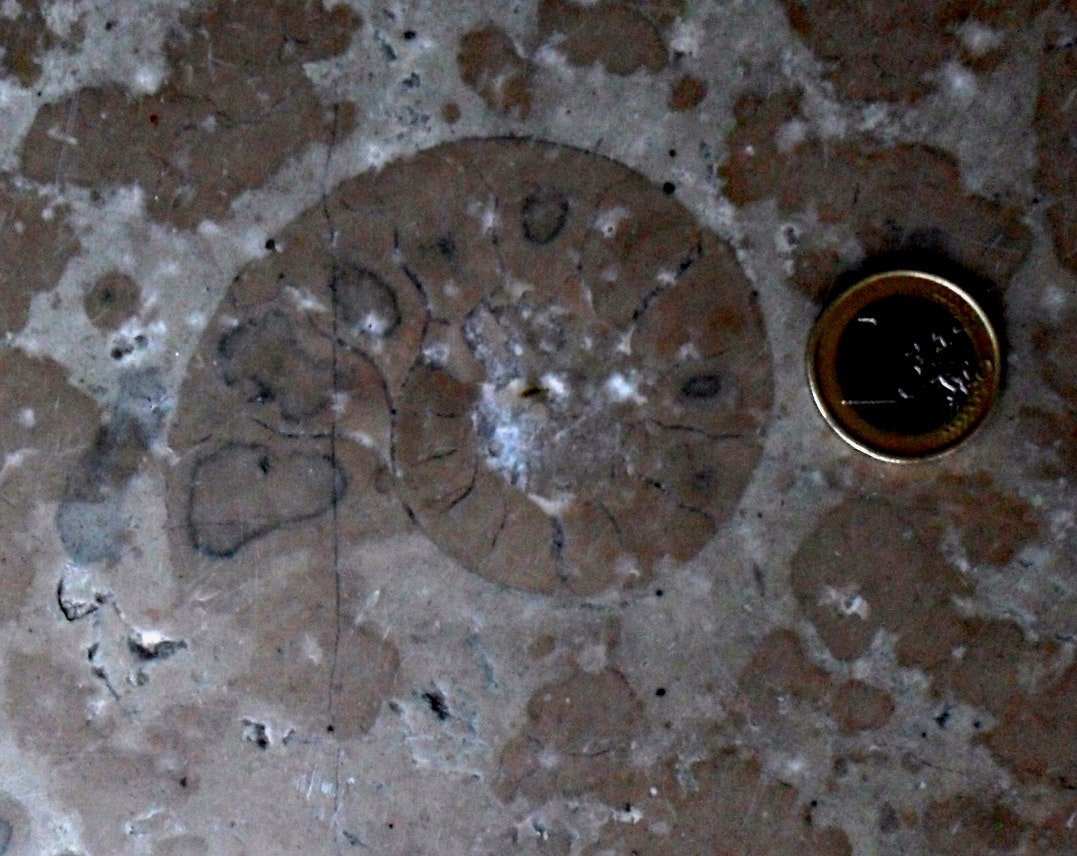
And it’s not just ancient civilisations that used fossils for building. Many modern buildings and structures in North America and Europe are made from building or paving stones containing fossils. These building stones were quarried from fossiliferous rock layers dated to the Jurassic or Cretaceous periods when dinosaurs still roamed the Earth.
Even in South Africa, some imported building stones contain fossils. The Bishop Gray Monument on St George’s Square in Cape Town, for instance, contains marble with Mesozoic-aged cephalopod fossils that date back more than 65 million years.
Fossils as indicators of economic resources
We use minerals, petroleum, oil and natural gas daily. These geologic resources need to be discovered and evaluated before extraction. In regions where fossils occur, geologists use them to date rocks and sediments to find and evaluate these resources.
Certain fossils are useful in that they provide an age to sediments or rocks; the organisms or animals that formed the fossils lived only during a narrow time period in Earth’s history. Some rock strata house fossils that lived during an age and in an environment that can be linked to modern economic resources.
This is important in finding where certain rock units are that can point to economic reserves. Fossils, particularly microfossils – the remains of very small to microscopic-sized animals or organisms – have been used in mineral, petroleum and oil exploration globally. In South Africa, microfossils found in the Karoo Basin in the centre of the country, the south coast and offshore of the west coast have all been used in oil, mineral and petroleum exploration.
Read more: The study of tiny fossils reminds us that museums are key to advancing science
Fossil fuels
When animals, organisms and plants die in certain environments and become buried under thick layers of sediment, heat and pressure transform their remains in such a way that they become part of petroleum, natural gas or coal.
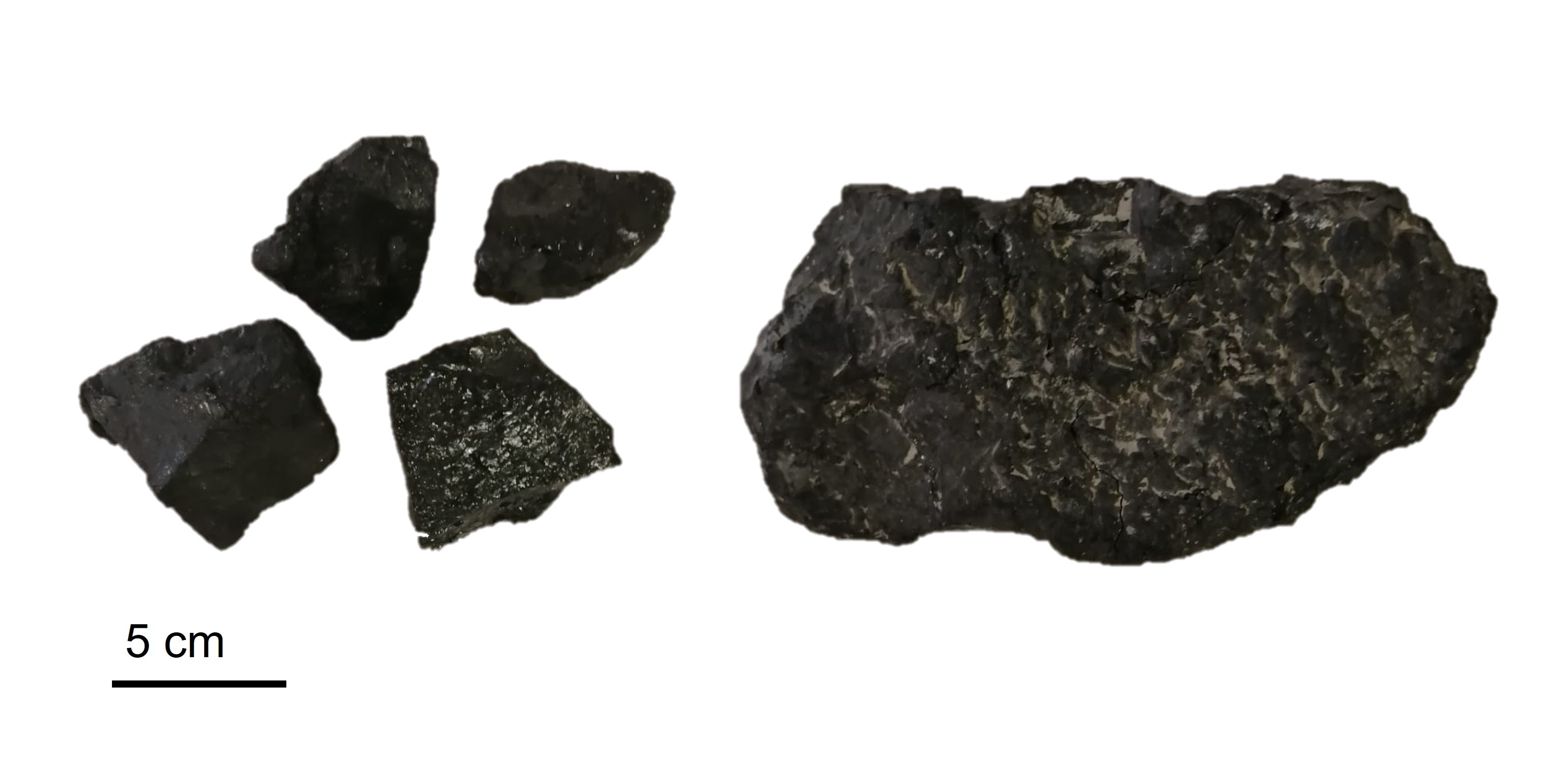
For the past 150 years vast amounts of these reserves have been extracted to provide a major source of the world’s energy needs. Fossil fuels have played an immeasurable role in powering the global economy. They generate electricity, keep vehicles moving and keep industry running. Today it is estimated that nearly 80% of South Africa’s energy needs are met by fossil fuels, particularly coal.
Read more: Why South Africa can’t make a massive shift to renewables – yet
However, fossil fuels are a non-renewable energy source. Burning them contributes to both climate change and health issues. There is an ongoing debate in South Africa, as in most other parts of the world, about how to use more renewable energy rather than relying so heavily on fossil fuels.
Estimating future environmental changes
Burning fossil fuels causes environmental harm – but studying fossils helps geologists to reconstruct past environments, offering insights into likely future environmental change.
Geologists or palaeontologists study rocks that contain fossils to understand the environments they once inhabited. They then use this information to estimate how environments, sea levels or the oceans will change with time. An example of this is the Pliocene period (5.3 million to 2.6 million years ago). It is often described as comparable to modern climate change: during the Pliocene, several global geologic events occurred which led to today’s oceanic configurations.
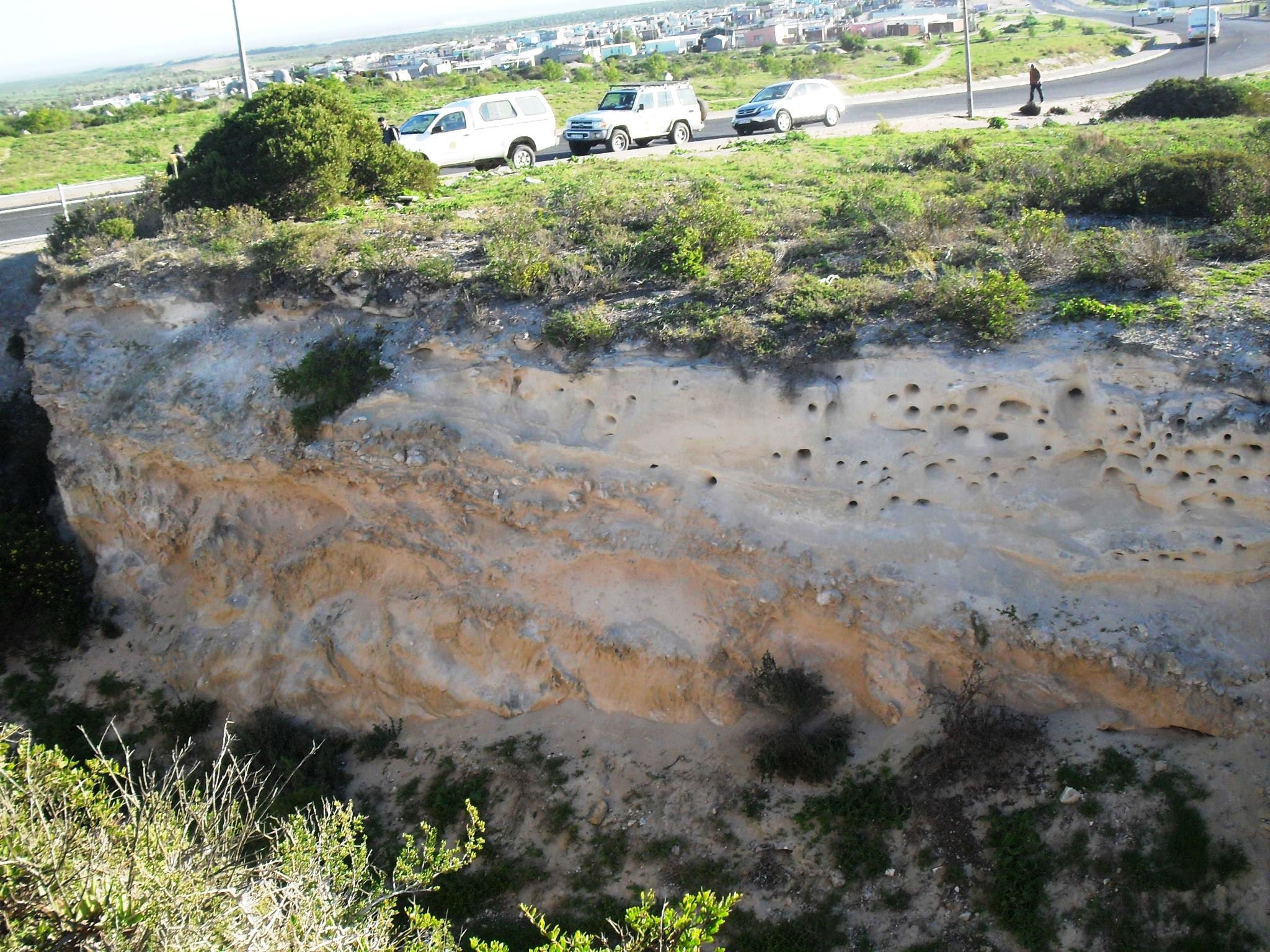
But something was missing during the Pliocene – humans. Nonetheless, scientists attempt to model what Earth’s natural responses are to rising carbon dioxide in the atmosphere, in addition to the effects of humans, by studying the Pliocene when carbon dioxide levels were at similar levels to today.


