After three consecutive dry winters from 2015 to 2017, “Day Zero” – when the taps would run dry – loomed large for the South African city of Cape Town and its surrounds in 2018.
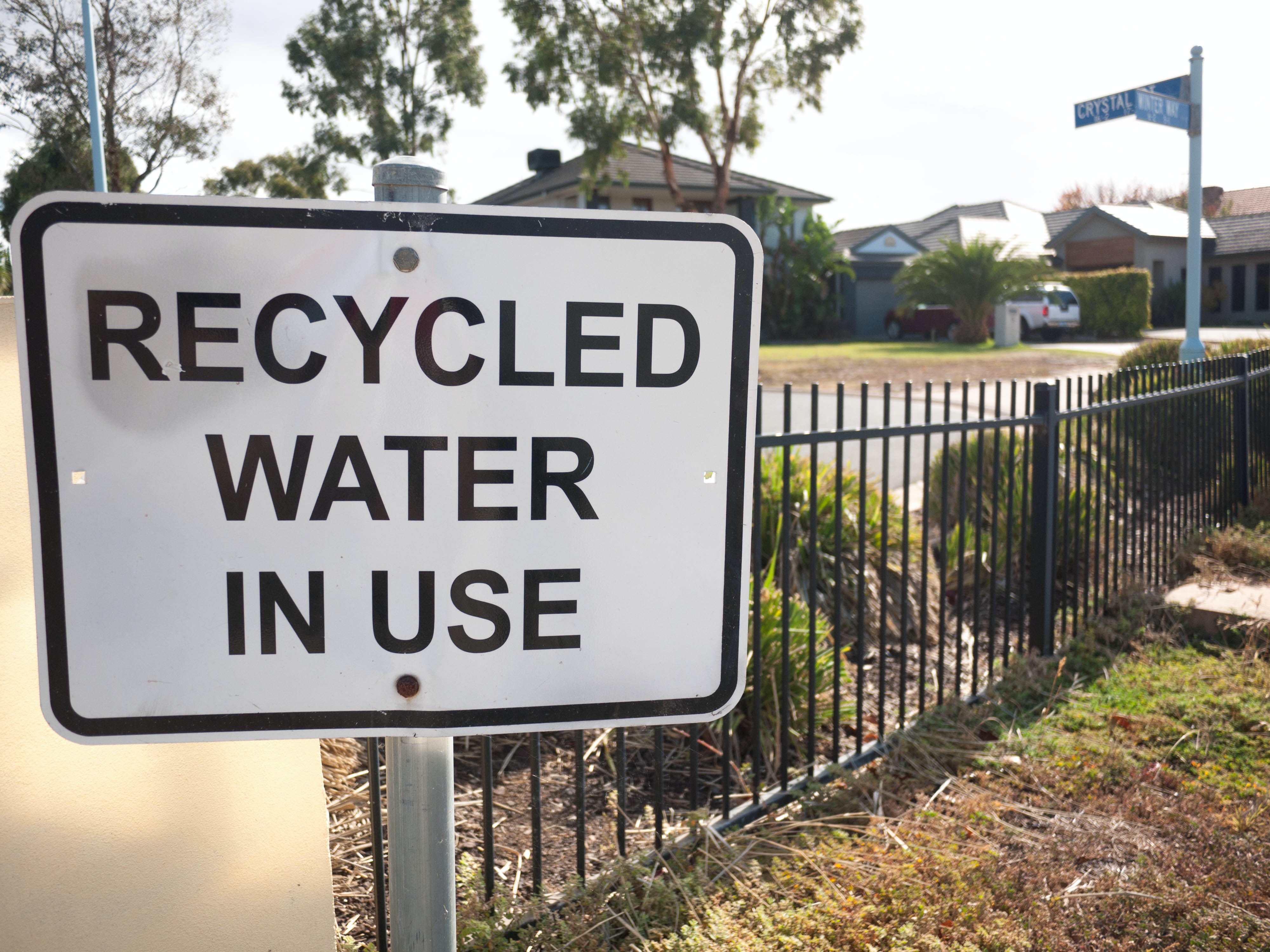
Municipalities introduced a slew of water restrictions and, almost overnight, Capetonians became familiar with the idea of greywater. Many had previously let this untreated water from baths, showers, kitchen sinks, washing machines and the like run down the drain. Now they installed storage tanks or carried around buckets of it to flush their toilets or water their lawns. It was a boom time for domestic greywater technologies.
Thanks to residents’ sparing use of water, including the adoption of greywater use, Day Zero never arrived. But there are some lessons to be learnt from that experience, especially around the potential of greywater both in seasons of plenty and dry.
And the dry times are not done yet. Scientists have repeatedly cautioned that climate change means water shortages remain a real risk. Another South African city, Gqeberha, is on the verge of its own Day Zero. The broader sub-Saharan region is also threatened with dwindling water supplies and access.
Researchers have long argued that greywater has the potential to contribute to South Africa’s food security if it’s used to water domestic food gardens.
There’s a big problem, though: consumers fear that greywater isn’t safe for use on domestic gardens. Alongside colleagues, I have conducted several studies to understand this reluctance. In two of these studies, in South Africa’s Limpopo province, we found that people believed household detergents from greywater shouldn’t be used on food gardens. We also examined the quality of greywater being used in these areas – and found that it is, by and large, safe for domestic irrigation.
Global examples
Greywater is used all over the world. Studies as far afield as Los Angeles, Brazil and Malaysia have shown that using greywater to flush toilets or water domestic gardens can save up to 30% of potable, drinking-quality water.
Greywater has been safely used for irrigation in contexts as diverse as Australia, Cuba, Bolivia, Jordan, Tunisia, Uganda, the UK, the US and, as I explored in one study with colleagues, Zimbabwe.
The United States has used treated greywater for irrigation since 1925. In Spain, the use of greywater is becoming de rigueur: regulation requires that such systems must be installed in new buildings.
But if South Africans are to embrace this important water source, their concerns must be addressed.
We set out to understand what these objections are among people in the country’s Limpopo province. Limpopo was selected as the test area because it is predominantly arid and water-scarce. High temperatures, droughts and erratic rainfall contribute to crop failure and food insecurity. We also tested whether the greywater that’s available for use there can be safely used on domestic gardens. The answer is “yes, mostly”, with the caveat that any greywater containing harsh pollutant loads shouldn’t be continously used for irrigation.
Perceptions and reluctance
Limpopo is a largely rural province. Subsistence farming is the core of many people’s livelihoods. Frequent droughts have hampered crop production and people in the communities we studied now keep small home gardens to try and make up for lost crops in larger fields.
We asked people from two villages in Limpopo to share their perceptions about reusing greywater for home gardening. Respondents worried about using water that contained household detergents to water their gardens. They feared their plants would die and that the water would contaminate their food; some were worried the greywater may be poisonous or have unhealthy side effects. They were especially reluctant to use greywater when running water, which they found more convenient, was readily available.
However, residents from both villages who did use greywater reported that their gardens produced more food than they had before this approach was used. Some also reported that the greywater appeared to repel some of the insects that would typically eat plants.
The second study focused on what is actually in greywater used in these villages and whether it’s safe for domestic irrigation. We concluded that levels of pH – the measure of acidity and alkalinity in a substance – in untreated greywater were within widely held acceptable ranges for what’s safe for human consumption. These ranges are set out in the World Health Organization’s water quality standards. The sodium (salt) levels of much of the greywater we tested were also within prescribed ranges.
There are caveats, of course. Some of the water we tested contained harsh, industrial chemicals and was not suitable for irrigation.
We propose that greywater is best used for home gardening when freshwater supplies fall short: It should be seen as a complement rather than a wholesale alternative to freshwater, since overusing it may negatively affect soil quality.
The use of greywater should be stopped, for example, on rainy days. This allows for leachate, the process in which water courses through the soil and extracts soluble or suspended solids, to occur. It’s a sort of cleansing and resetting of the soil. Greywater can be used more frequently in the dry season when fresh water is less available.
Support and policy
This has implications for policy. The public should be encouraged – even aided – to install greywater systems in their homes. More research on the safety of both untreated and treated greywater will become essential. Investment in technologies for the treatment of greywater should be supported.
Public education drives about the use of greywater will be necessary, too. This approach has been successful in places like Zimbabwe, India, Uganda and Japan.


