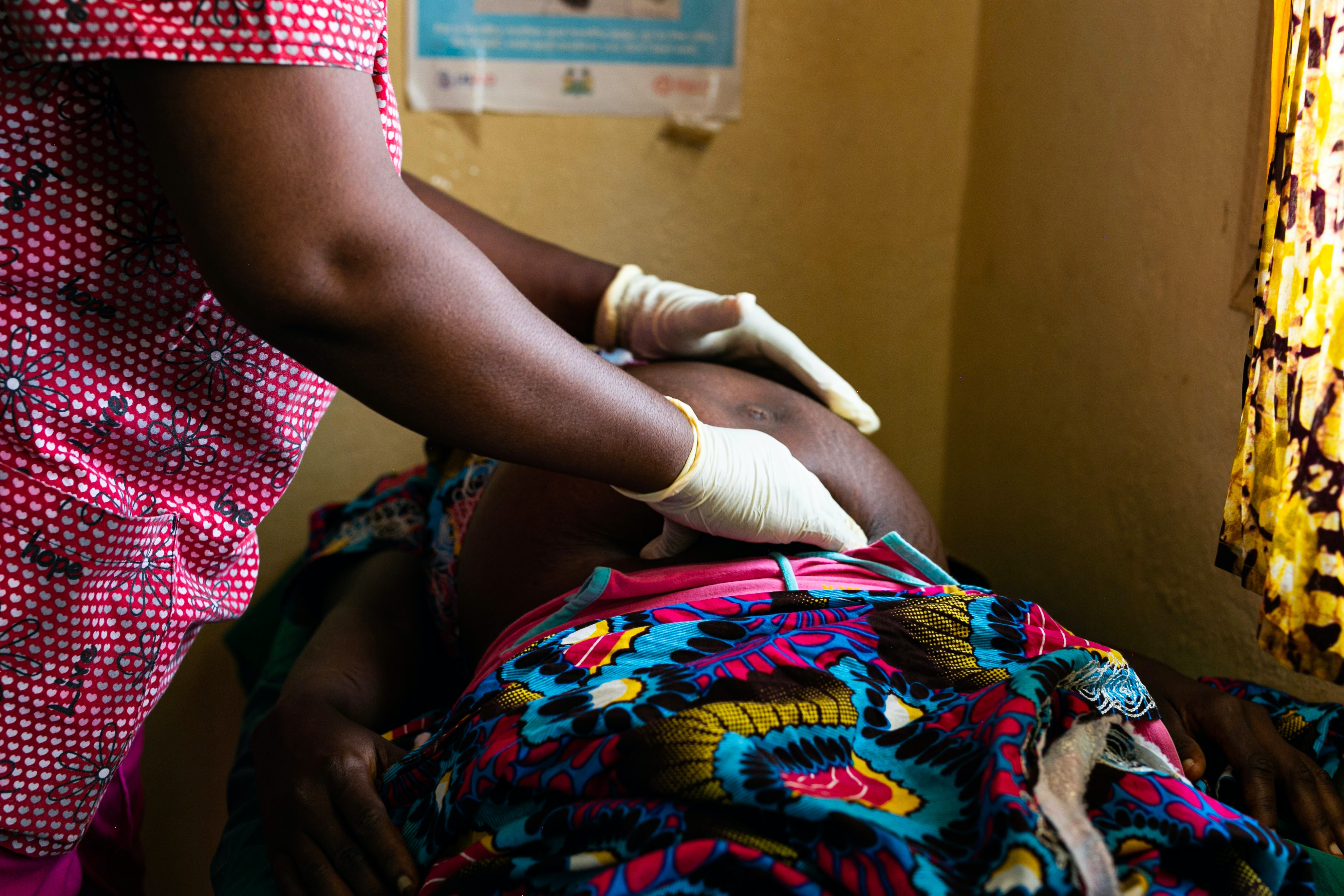
Including men in maternal healthcare is good for families, research has found internationally. Men can be involved in maternal healthcare in various ways. These include attending maternity care, making decisions with the mother, helping with housework and supporting the woman’s care financially.
Studies have shown that men participating in maternal health services can influence the quality of care that women get at health facilities, through their control over financial resources, by demanding respectful care and acting as women’s advocates. In these ways, men’s involvement improves the health of mothers and children, and promotes gender equality in reproductive health.
With this in mind, studies in African countries have tended to focus on the reasons for low male attendance for maternity care. These reasons include the perception that pregnancy and childbirth are women’s responsibilities, long waiting hours at the clinic, and low formal educational status of male partners.
The concentration of research on barriers to male inclusion in maternal healthcare services has left a knowledge gap. Men who do attend maternity care have remained invisible and their experiences undocumented. Hence, our study endeavoured to investigate the antenatal care experiences of expectant fathers in Accra, Ghana.
We found that men who attended antenatal care were keen to support the well being of their partners and children. However, they were left unengaged and often disappointed.
Knowing how antenatal care is structured and what resources health workers need could help get men to participate more actively to benefit mothers and their unborn babies.
Feeling left out
The research was conducted in a government hospital in Accra. The study, using a qualitative approach, explored men’s own understanding of events and experiences. We interviewed and observed first-time expectant fathers who regularly attended antenatal care, midwives and community health nurses.
The data indicated that men who accompanied their pregnant partners to antenatal care felt they were mere ‘escorts’ and did not see themselves as part of the procedures at the clinic. The few men who attended antenatal care mostly stayed outside the clinic because they felt shy sitting among women. Fathers did feel they had various contributions to make and helped in ways like carrying their partners’ bags and folders, making payments, buying medication and donating blood. They also brought up reminding their partners at home about what they had learnt at the clinic. Nonetheless, health workers didn’t do much to get men more involved.
Antenatal care activities at the hospital start with health workers giving health information to expectant parents in the waiting area of the clinic. They advise on topics like nutrition, exercise, and the prevention and management of malaria and anaemia during pregnancy.
Afterwards, women are expected to see their assigned midwife for individual consultation. Most of the men who participated in this study did not stay in the waiting area during the health information session, and only a few participated in the individual consultation. Some men claimed that they were uncomfortable sitting among women in the waiting area. Others complained that health workers did not involve them in the activities at the information session or invite them to join the individual consultation. This left many fathers disappointed.
Men’s claims in this study are similar to earlier findings in Ghana and Rwanda where maternal health services have been criticised as excluding men.
Our study found that health workers supported male involvement in maternity care but that they face some structural and logistical challenges. One midwife, for example, said that the work of primary healthcare providers would be more accessible if more men participated in antenatal care. Knowing more about pregnancy and childcare would help men care for their families at home.
Midwives also acknowledged that in individual consultation sessions, men asked more questions than expectant mothers themselves, who are usually tired after long waiting hours and eager to go home.
But midwives are already overstretched, with approximately five midwives having one-on-one consultation with about 200 women daily in this particular hospital. Involving men in individual consultations might increase the amount of time midwives spend with each patient, adding to their working hours.
Expectant fathers in the study suggested that health workers should organise separate sessions for men. Again, health workers explained that they did not have adequate staff to do this.
To motivate male participation in maternity care, the Ghana Health Service permits service providers to serve women who attend clinics with their partners first before women who attend the clinic unaccompanied. Some men knew about this recommendation and participated in antenatal care to assist their partners to jump the queue. Nevertheless, health workers said they were careful in implementing this recommendation to avoid quarrel among expectant mothers in the waiting area.
More than “escorts”
One way to get expectant fathers more involved might be to emphasise men’s reasons for attending the clinic, including reminding women of important health messages and donating blood. Additionally, health facilities should assess what is possible within their capacity and resources to accommodate male attendees. For example, they could consider providing audio-visual materials in maternity clinics’ waiting areas offering information about male activities and responsibilities during pregnancy. Health workers could also receive gender-sensitive training.


