Under the Paris Agreement, which came into force in 2016, countries agreed to reduce their greenhouse gas emissions and work together to adapt to the effects of climate change. To act on this, and codify their individual commitments, each country submitted its so-called Nationally Determined Contribution.
These clearly spell out the climate actions they intend to undertake to limit global warming to below 2℃, compared to pre-industrial levels. The first contributions were officially submitted in 2020. They are meant to be updated every five years.
Based on the cost estimates from the 51 African countries that submitted their plans in 2020, the financial burden of achieving their contributions is about US$2.8 trillion between now and 2030. The same African governments have cumulatively pledged to contribute about US$264 billion of this from their own national coffers. This means the missing gap is still US$2.5 trillion.
Where is this going to come from?
Part of the answer is climate finance. This is being discussed as part of the Paris Agreement negotiations, and is a key theme of the COP27 conference in Sharm el-Sheikh, Egypt.
This finance can come from a variety of sources – public, private, or other. But it is specifically earmarked for activities and investments linked to mitigating or adapting to the effects of climate change.
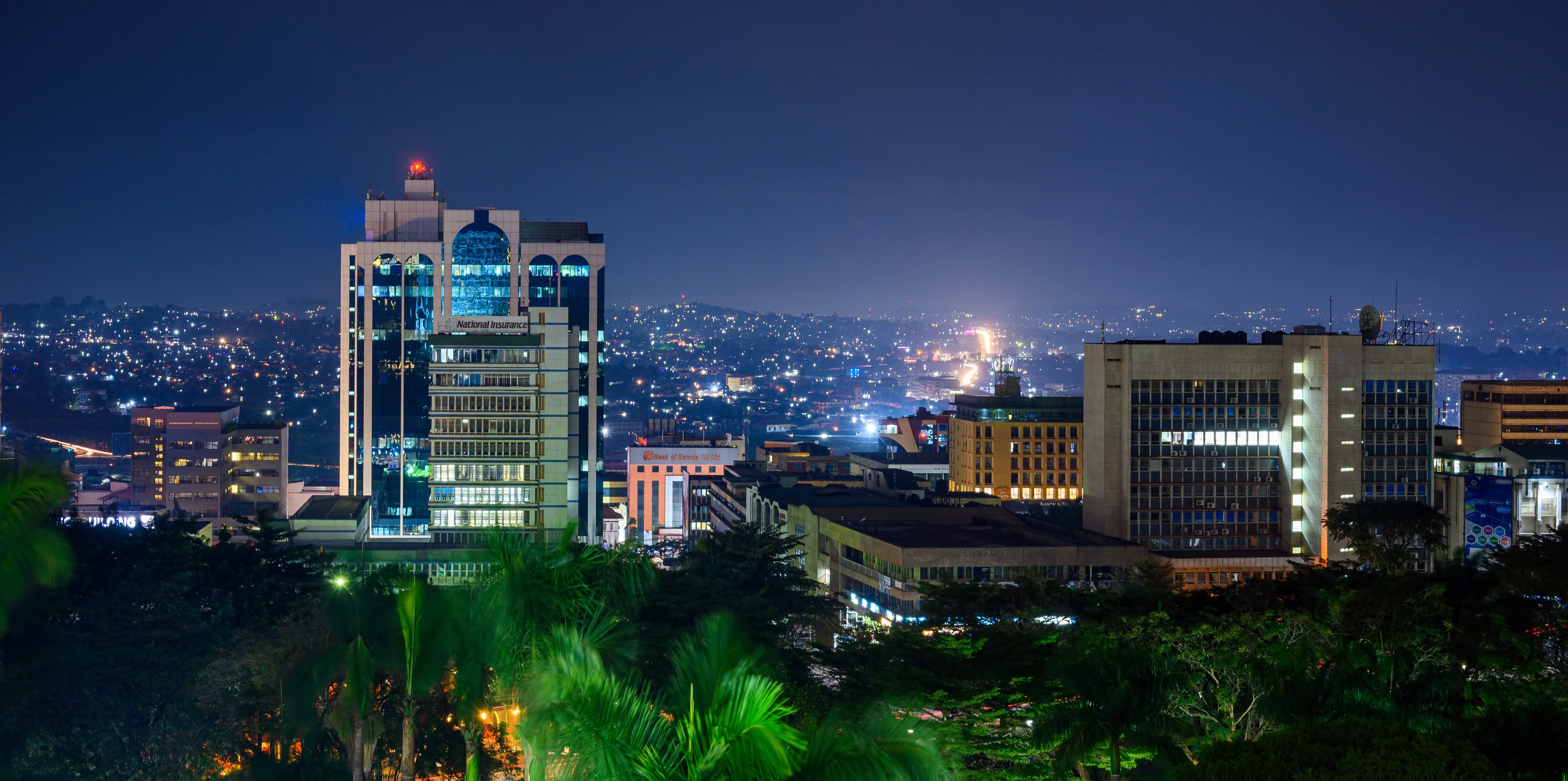
The current architecture of the institutions and funds that provide climate finance is, however, not designed to work at a sub-national level. Therefore across the globe, cities are being left out. This situation is even more pertinent for African cities as Africa is both the fastest urbanising continent in the world and among the most vulnerable to climatic change. Yet the continent is receiving, by far, the lowest climate finance flows overall.
Africa is losing out, its cities even more
Estimates put global climate finance flows for 2019 at US$622 billion. This is significantly below global needs. And the lowest proportion of these flows, an estimated 3%, is coming to the African continent.
By comparison, 43.6% is directed at East Asia and the Pacific. Yet Africa is contributing least to the global greenhouse gas emissions. And it’s the most vulnerable to the impacts of climate change overall.
This meagre proportion is even more concentrated within the continent. It’s estimated that 40% of climate finance went has gone to just five countries. They are Egypt, Morocco, Nigeria, Ethiopia and Kenya.
Cities are receiving only a trickle of this money. The reason is that the global climate finance architecture is biased towards national and regional institutions. This prevents cities from accessing it easily.
For example, 2019 data from Africa shows that the largest source of climate finance was multilateral development finance institutions. They accounted for about US$11.5 billion of climate finance flows. But these institutions are mostly mandated to work at a national level. They can’t lend directly to cities.
It’s the same for dedicated multilateral climate funds, such as the Green Climate Fund. The fund is the largest dedicated source of climate finance. But most of the entities accredited to it are either national, regional or international.
On top of this, the fund has no mechanism to lend directly to sub-national entities.
The second constraint for cities has to do with the fact that climate finance is dominated by loans. For Africa, loans made up about 57% of the overall financial flows in 2019. Yet across Africa most cities cannot access loans, because of legislative constraints and low creditworthiness.
Loans are primarily directed at activities that can generate a return. This means funding is strongly biased towards mitigation activities as these tend to generate better returns than those for adaptation. As such, financing for mitigation makes up around two-thirds of total flows.
Loans also are likely to exclude funding many of the public services and infrastructures that cities are required to provide. These may not generate the economic returns needed to attract this form of finance.
Finally, sectorally, only about 4.5% of total climate finance flows in Africa in 2019 went to addressing the large and growing infrastructure deficit.
This is particularly concerning for rapidly growing African cities as current cities need retrofitting. And two-thirds of Africa’s cities are yet to be built between now and 2050. In addition, infrastructure will need to be built in a way that ensures it’s resilient to the effects of the climate change.
The upfront investment for this may be slightly more expensive, by some estimates, approximately 3% of total construction costs. But future benefits could be up to four times larger than these costs of investment.
The future
Cities are the frontline of tackling some of the most severe effects of climate change. They are also at the forefront of achieving a low emissions and climate resilient future. Globally, cities account for approximately 70% of carbon emissions.
The hopes are high that COP27 – given that it’s being held in Africa – can deliver actions to tackle the climate emergencies that are critical to the African continent. This will necessarily include increasing the overall climate finance flows.
However, merely increasing the financing available will not be sufficient. The financing must find its way to cities.
Some solutions include ensuring the multilateral development banks and climate funds can develop dedicated local financing mechanisms that allow them to directly meet the needs of cities.
At national levels governments will also need to do more work to ensure both that their Nationally Determined Contributions directly reflect urban priorities and that these receive the dedicated attention and financing required.
At a city level, cities need to urgently work on improving their creditworthiness so that when legislation permits, they are in a financial position to take on loans in particular.
As former United Nations secretary general Ban Ki-moon famously said:
Our struggle for global sustainability will be won or lost in cities.
That’s why it’s so important to start making sure there is enough money to support this struggle.


