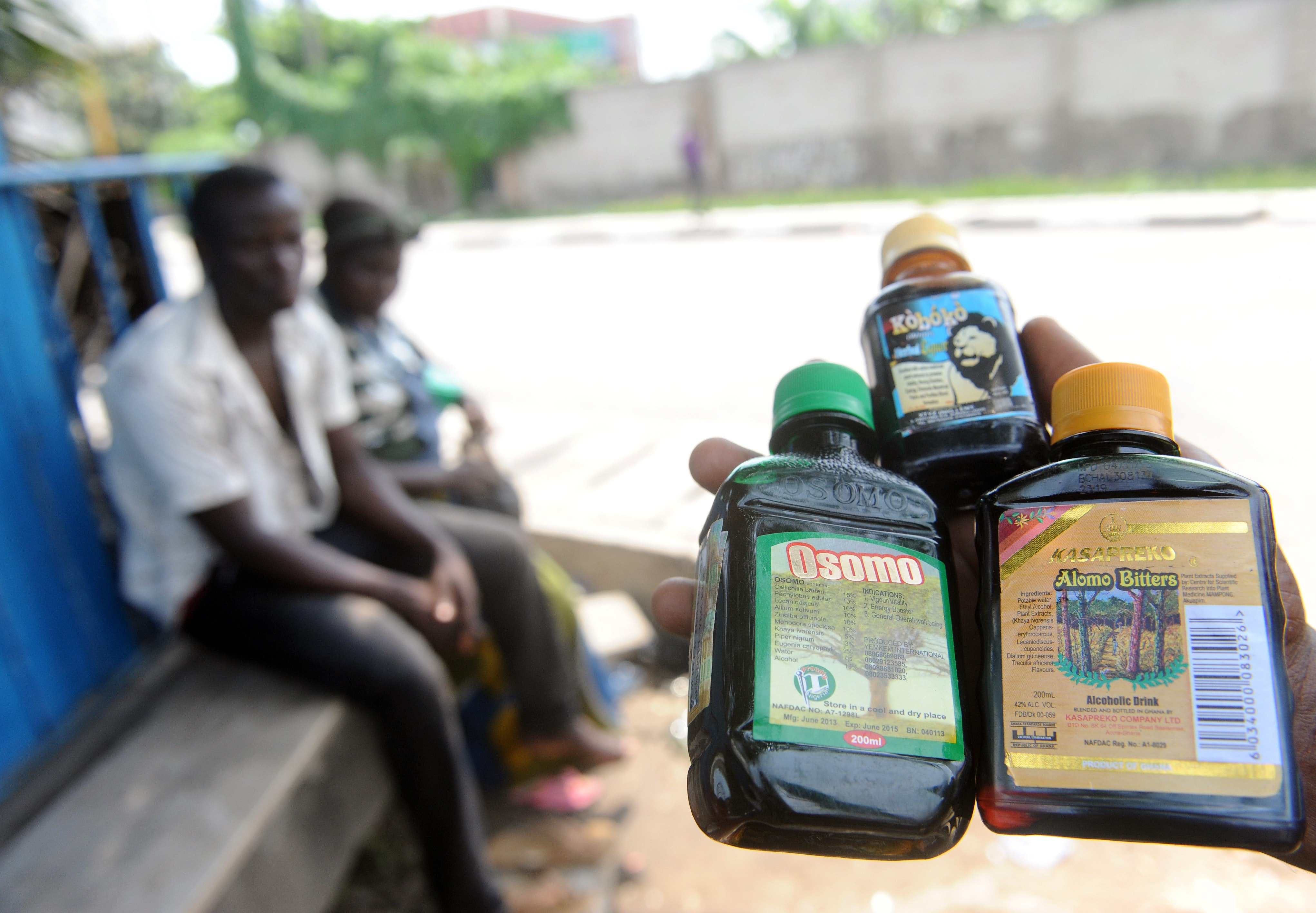
New, unconventional drugs are becoming popular in Nigeria, designed by dealers and users to replicate the effects of illegal substances like cannabis, cocaine, and ecstasy. They affect how the brain works and cause changes in mood, feelings and behaviour. Policymakers have labelled them as “new psychoactive substances” because they’re not recognised under international conventions.
These psychoactive substances are found all over the world, and they’re growing in popularity. But little empirical research has been conducted on the uptake of these new drugs in many non-western contexts, especially in Africa. More information is needed because using substances like these is harmful to health. Policymakers need proper evidence regarding their availability, use, and effects to provide evidence-based interventions.
It appears that people in Nigeria are creating new drugs either because they can’t afford more traditional narcotics, or because they’re not controlled (and therefore difficult to detect), or because they’re strong.
As my colleagues and I documented in a mini review of recent insights on the topic in Nigeria, most new psychoactive substances are extremely potent. Some drug users prefer them to conventional narcotics because they want to experience a more intense and longer high.
We also found that some people will take these substances – such as tramadol – to give them more energy for hard labour. Others use them because they want to last longer during sex.
These new psychoactive substances pose a public health threat, but because they’re new and not easy to detect, they are not controlled – for instance, by the 1961 Single Convention on Narcotic Drugs or the 1971 Convention on Psychotropic Substances.
Traditional drugs – like cannabis, cocaine, and ecstasy – are controlled under these conventions, making them easier to detect, categorise and regulate internationally.
Studies that reveal more about the substances being used in Nigeria and their effects on users will help inform public health interventions.
Types of drugs
New psychoactive substances exist all over the world, and they’re growing in popularity. The United Nations Office on Drugs and Crime identified almost 900 new substances between 2009 and 2018. These were found across 119 countries and territories, in all regions of the world.
In western countries, people use synthetic opioids, like tramadol and fentanyl, and synthetic cannabinoids.
Our mini-review of empirical studies conducted in different parts of Nigeria mapped the types, availability, and motivations for taking these new psychoactive substances.
In Nigeria, aside from a few imported new psychoactive substances like tramadol, most of them are locally sourced and can be obtained free of charge or at a low cost.
There’s a cocktail called “gutter water”, which is made from a mix of tramadol, cannabis, codeine and vodka. Other popular cocktails include “monkey tail” – a combination of homemade spirit, cannabis and psychoactive plant roots, seeds and stems – or a mixture of sodium hypochlorite solution (bleach) and carbonated soft drinks.
There are also pure plant-based substances. Some people will chew or smoke dried cassava and pawpaw leaves or seeds, zakami (Datura metel) seeds, and moringa (zogale) leaves.
Other popular ways to get psychoactive effects involve sniffing burnt tyres, hydrogen sulphide gas (sewer gas), or nail polish.
There are other new substances that people who are desperate or very poor try to use, but it is unknown whether these produce psychoactive effects that can get them high. These include smoking the whitish elements of lizard dung or human faeces. Others will drink 10-day-old human urine for the same reason.
Addressing the issue
Although research on the harms caused by using new psychoactive substances is at an early stage in Nigeria, one study found that some tramadol users experienced seizures or convulsions after taking the substance, and a few users died from a drug overdose.
Because drug availability often correlates with high drug use, it’s logical to say that without strategies to address the new drugs, their use may continue to rise.
Therefore, there is a need to initiate a strategy to address the issue. This must be underpinned by sound research. There must be comprehensive data that maps the availability, types, patterns, and motives for taking these new drugs among Nigerians.
A nationwide campaign will be essential. It must give young people the information they need on the dangers of substance use.
Credible government sources like the National Orientation Agency of Nigeria and the Ministry of Health should champion this effort. Campaigns should aim at deterring people from ever trying new psychoactive substances. Efforts must also be made to reorient those who already use the substances without stigmatising them.
For the campaign to be successful, the Nigerian police and other law enforcement agencies that often use intimidation and war on drug approaches to enforce laws should be distanced. This is primarily because brutalising drug users has not reduced drug availability and use in Nigeria.
Finally, official corruption – blamed for fuelling the availability of tramadol – must be tackled immediately.


