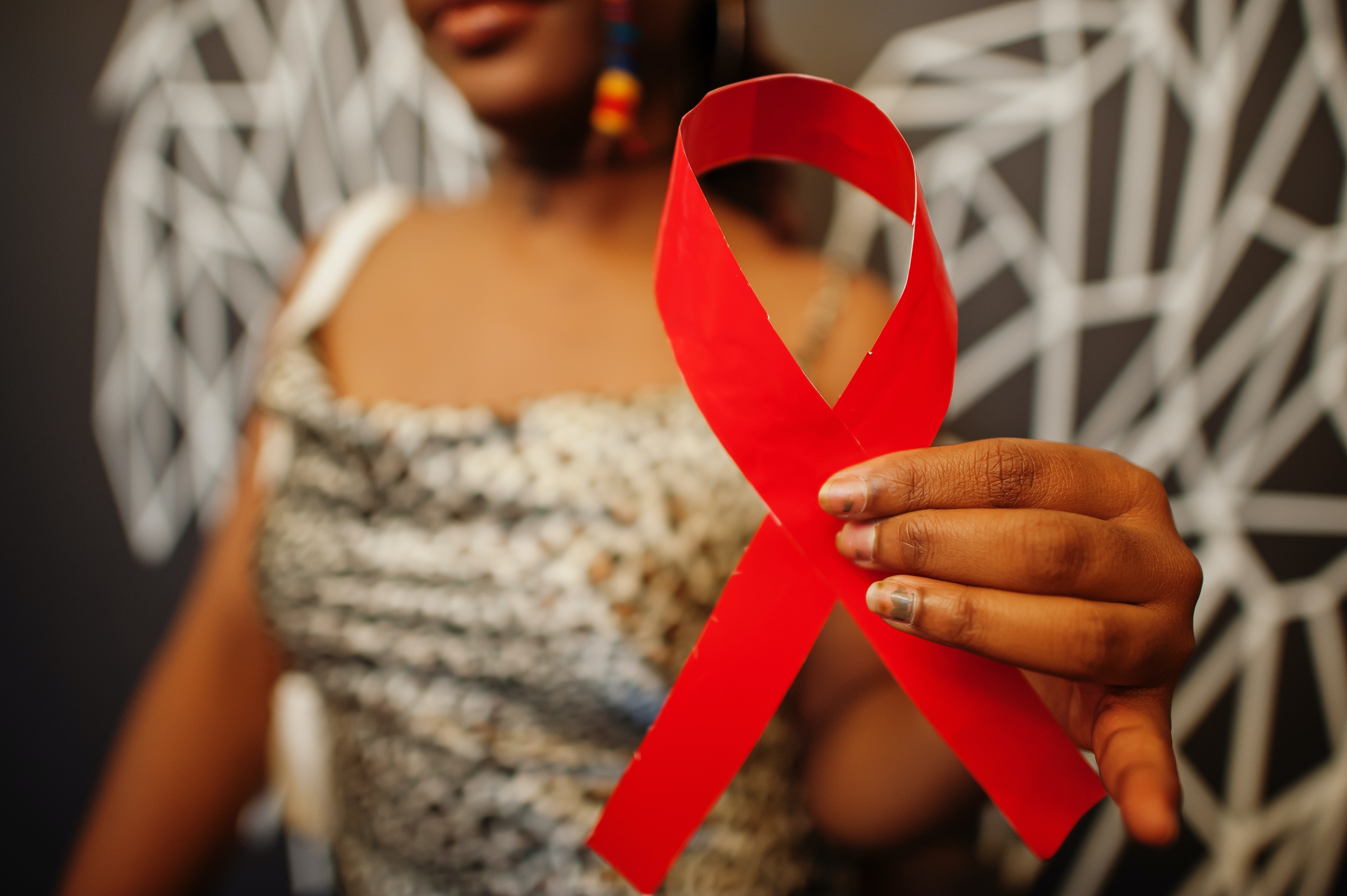
While the world has focused on the COVID pandemic for nearly three years, less and less attention is being paid to HIV. However, HIV is still a global problem. In 2021, according to the United Nations, 38.4 million people were living with HIV, over 650,000 died from AIDS-related illnesses, and 1.5 million became newly infected.
Nearly 70% of infections occur in key groups: sex workers and their clients, men who have sex with men, people who inject drugs, and transgender people and their sexual partners. Adolescent girls and young women in sub-Saharan Africa are another important group, with nearly 5,000 getting HIV every week.
For many years, options for HIV prevention were quite limited. Early campaigns consisted of the ABCs – abstinence, being faithful, and condoms. In the early 2000s, male circumcision was added, but multiple attempts at developing a vaccine have been disappointing.
In 2012, however, much excitement surrounded the introduction of HIV pre-exposure prophylaxis, or PrEP. The initial form of PrEP was a combination oral pill consisting of two medications used to treat HIV – emtricitabine and tenofovir. When taken regularly, PrEP is highly effective in preventing HIV infection and very safe. PrEP was seen as a game-changer by enabling people to take charge of their sexual health, particularly for those who could not necessarily control when or how they had sex.
Oral PrEP has worked well for many, particularly for men who have sex with men in high income settings and for serodifferent couples (couples in which one person has HIV and the other does not).
For others – like young people – it’s hard to take a pill consistently during periods of risk for getting HIV. The interest is there, but lots of things get in the way. Some relate to the person, like forgetfulness, transport to a clinic, and alternative priorities. Other factors relate to stigma and lack of support.
PrEP administered via a vaginal ring is another safe option that’s been developed. It’s not yet clear how many people will want to use it as it becomes more widely available.
Access to PrEP has been slow and mostly limited to high income countries. Some countries, like Kenya, Uganda, South Africa, Zambia, and Nigeria, have been more proactive than others, but it is still hard for many to get PrEP.
Now that injectable PrEP is an option, it’s poised to make a huge difference in HIV prevention – as long as some key issues can be overcome.
Benefits of injectable PrEP
The latest version of PrEP is an injection of another HIV drug – cabotegravir (called CAB-LA for cabotegravir-long acting). It is given in the buttocks and lasts for two months. It is even more effective than oral PrEP and it’s safe.
Another injectable drug – lenacapavir – would only need to be given once every six months, and would be easier to inject because it only needs to go into the skin; but it is still in clinical trials.
In many ways, injectable PrEP seems like a perfect solution. It’s discreet, there’s no burden of frequent pill taking, and it can be combined with other services and injections, like contraception for women. People in the CAB-LA trials in many parts of the world, including sub-Saharan Africa, South America, and the US, really liked it. Although some public health officials and healthcare workers have worried about the pain and any swelling due to the injection itself, most people do very well.
Drawbacks of injectable PrEP
Several issues, however, may get in the way of injectable PrEP revolutionising HIV prevention.
First, most people can’t get it. The United States was the first country to approve CAB-LA in December 2021. The next was Zimbabwe in October 2022. The necessary paperwork is being processed in other countries in sub-Saharan Africa, but regulatory processes are slow and access is likely be to a challenge for some time.
Second, it’s expensive. CAB-LA is priced at over $22,000 per person per year in the US. It could be covered to some extent by health insurance companies, but not everyone has health insurance. The drug manufacturer will lower the price for the markets in low- and middle-income countries, but the exact cost is not yet known. Some estimates are around $250 per person per year. That’s still about five times as much as oral PrEP costs. The increased effectiveness may be worth it for people at high risk of getting HIV, but getting it to those people will be challenging for ministries of health.
Third, logistical issues complicate delivery of injectable PrEP, including the need for refrigerators to store the drug and nurses to give the injections. Clinics may not be set up to provide many injections in a given day, and limited availability may mean people can’t get the shots when they need them.
Finally, continuing to get injections over time is still likely to be a problem. The experience with injectable contraception has taught us that up to half of people who select that form of family planning stop it within a year. Injectable PrEP does not solve the other barriers people face, like transport to clinic and prioritisation of HIV prevention.
The lack of access raises important ethical concerns. Most of the thousands of people in the CAB-LA trials live in countries without access to it, including Botswana, Eswatini, Kenya, Malawi, South Africa, Uganda, and Zimbabwe among others. Processes to enable access are unacceptably slow, although the drug is available in the US (and just recently Zimbabwe).
Where to go from here?
Despite these challenges, injectable PrEP is a huge advantage for the HIV prevention toolbox. Choice is critical for most interventions to work, and HIV prevention is no different. PrEP use increases when people are given effective options and can choose what works best for them.
PrEP needs to be easier for people to take, for instance by making it more convenient and less medical. Programmes are starting to do this through community delivery. That approach may be more challenging with injections, but it may get easier with time and with injections in the skin, like lenacapavir.
Advocacy will be critical for expediting the regulatory process and negotiating with pharmaceutical companies to license other companies to produce more affordable generics.


