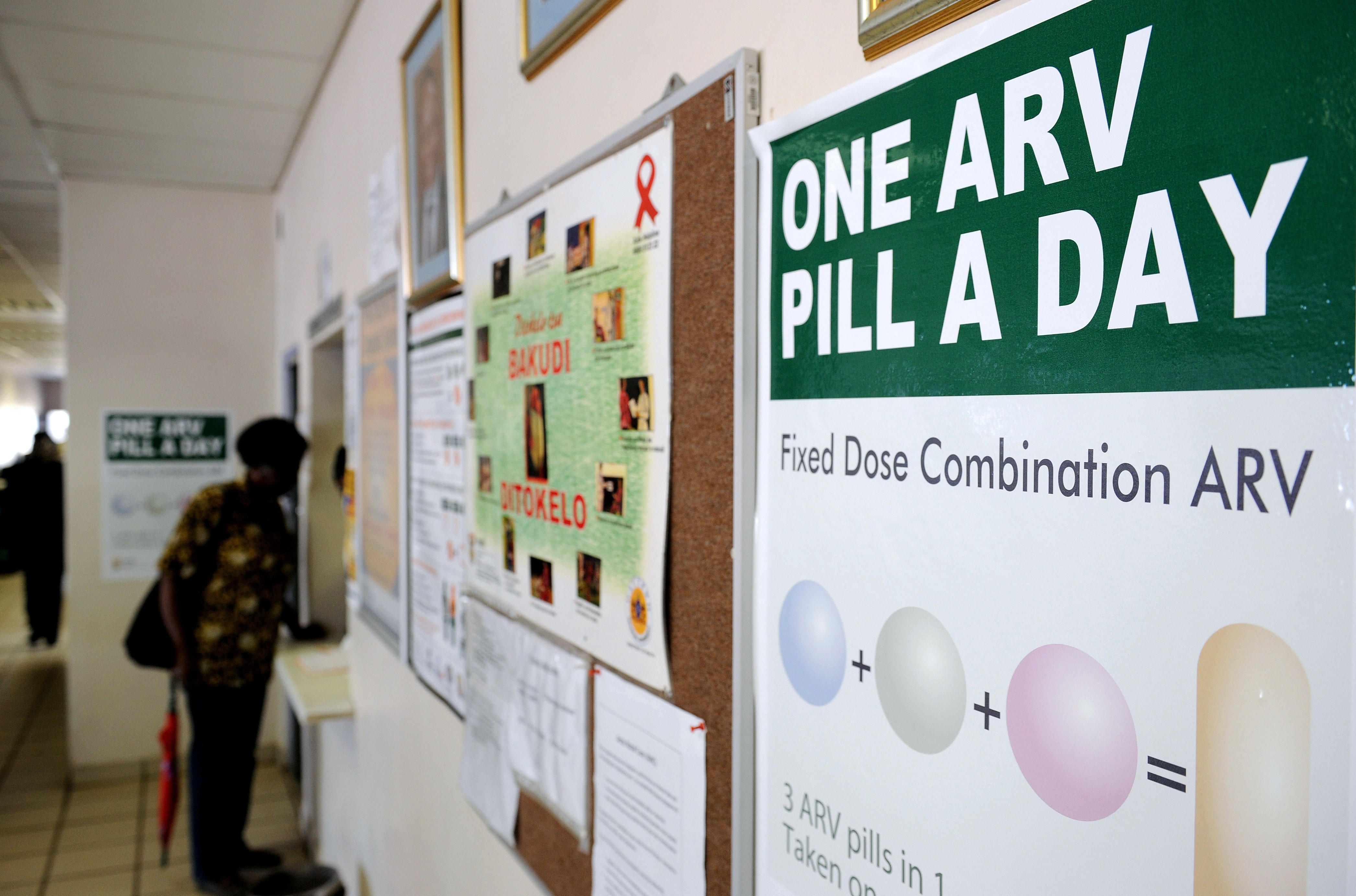
Antiretroviral therapy (ART) has turned HIV into a manageable chronic condition. When ART is working effectively, HIV cannot be transmitted. This allows people with HIV to live fuller lives without the fear of infecting others. It’s also led global HIV control efforts to focus on increasing ART coverage. The aim is to improve the health of people living with HIV, and to decrease and eventually halt the spread of the virus.
UNAIDS set 90-90-90 targets to measure global progress by 2020: 90% of people with HIV know their status, 90% of those with a known status are on treatment, and 90% of those on treatment are virally suppressed (a blood test result that means ART is working effectively). These targets have now been increased to 95-95-95, to be reached by 2030.
Read more: HIV, AIDS and 90-90-90: what is it and why does it matter?
South Africa has achieved the first 90 target but it falls short on the second 90. Despite having more than 5.5 million people on treatment, only 75% of those with a known status are on ART.
Poor retention in health services is one of the most important reasons for this. People living with HIV need to be on ART for their whole lives. This is a tough ask, and although the pills are available free of charge in public health institutions, many people interrupt treatment. Modelling and programme data suggest that the number of people re-initiating ART is as high as, or higher than, the number of people starting treatment for the first time.
Interrupting treatment is a problem for two reasons. First, people who aren’t on treatment are likely to become sick and die. Second, without consistent treatment HIV can be transmitted, leading to additional infections.
At Anova Health Institute we support the Department of Health in providing HIV services in five districts of South Africa. In a recent study, we wanted to know more about why people with HIV interrupt and return to treatment, and how we can support them to stay in care.
Reasons for stopping treatment
We surveyed 562 and interviewed 30 people returning to care after interrupting ART in three provinces in South Africa. We also explored service provider challenges in providing treatment and care.
Our analysis showed that retention in care is influenced by multiple factors. These include individual, family, societal and healthcare service barriers.
Mobility or relocation was the most common reason for treatment interruption, reported by close to a third of respondents. It was followed by ART-related factors, including side effects, and feeling too sick to continue ART (15% of respondents); and time limitations due to work (10%). Participants who move around a lot said managing their ART was difficult because of administrative hurdles.
Health service barriers included negative service provider attitudes and providers insisting on transfer letters, which led to interruption of treatment and care. Feedback sessions conducted with 99 healthcare providers revealed that people returning to care were sometimes sent to the back of the queue or turned away if they did not have transfer letters. Both these practices are discouraged in national guidelines. Most providers reported they had seen or heard other providers act poorly towards recipients of care after interrupting ART. The poor behaviours and attitudes of providers were partly attributed to limited resources and work overload.
On the other hand, we found that clinics which had flexible and extended hours services were better able to keep people in care. This shows that health services need to be more responsive to different life circumstances.
What must be done
Health systems should be set up to allow people to change where they pick up their drugs. Movement between provinces is common in South Africa. Health services need to be more responsive to people moving within and between districts and provinces, as well as outside South Africa. A functional health information system is needed to link medical records and allow movement between clinics or drug pick-up points anywhere in the country. Healthcare providers should not insist on transfer letters. The official policy requires people to be assisted without a transfer letter, in practice many are turned away. Improved treatment literacy would also empower people to understand their own treatment and demand access to care.
ART and other services relating to HIV and other chronic diseases can be provided in many ways inside and outside health facilities. In South Africa, ART and chronic medication can be provided through the Dablapmeds programme. This allows people to collect three months’ medication at pick-up points closer to home or work. Models like this should be supported and strengthened.
People with HIV told the Department of Health they wanted prescriptions for 12 months, and ART refills of three to six months. A 12-month prescription was used during COVID-19 as an emergency measure, and Anova’s programmes reported no decrease in viral suppression. This policy should be expanded.
Healthcare providers need improved working conditions and support to improve their ability to provide empathetic, quality services. Overall, the country needs more patient-centred and responsive health services to improve retention on ART.
People on ART need comprehensive support that covers medication-related issues, psychosocial support and socioeconomic support. Proactive strategies could include check-in phone calls or messages, appointment reminders, and pop-up sites to collect treatment in remote communities, and after-hours facilities. Task shifting allows different forms of treatment support to be offered and can promote ART adherence.
Why this matters
Supporting people living with HIV to stay on treatment is the biggest challenge currently facing South African HIV services.
The needs and views of people with HIV must be heard and considered to protect and build on the health gains from the country’s antiretroviral programme.
Services that are flexible and take into account people’s changing life circumstances will improve health and decrease HIV transmission.


