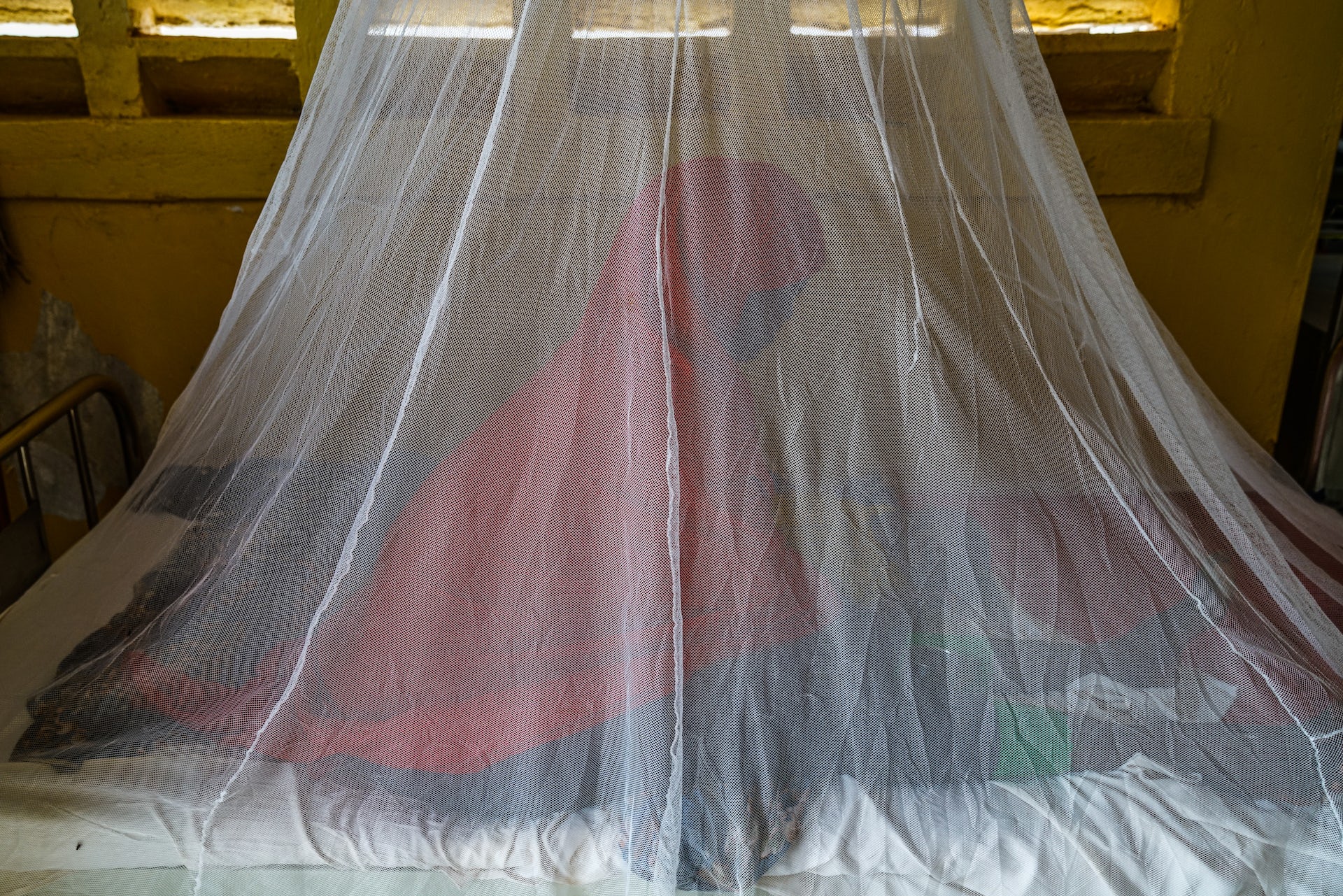
Sub-Saharan Africa is disproportionally affected by malaria. The region accounts for 95% of the world’s malaria cases. The disease kills an African child every 60 seconds.
These figures are alarming. But malaria is preventable and treatable.
The progress made between 2000 and 2015 is proof of what can be achieved. Support from global donors helped drive down malaria deaths among children under five from 723,000 to 306,000. Most of the deaths prevented were in sub-Saharan Africa. Fifty-five of the 106 malaria-endemic countries showed a 75% decrease in new malaria cases by 2015 compared to 2000.
But in 2016, the global malaria response plateaued. In some regions it even backtracked. Malaria cases and deaths increased as national malaria control programmes competed with other health challenges.
The World Health Organization (WHO) and other partners issued urgent calls to address the challenges national programmes were facing. But the gap in funding and technical capacity widened. Malaria control efforts in Africa remained woefully off-track to meeting 2030 elimination targets.
And then the COVID-19 pandemic hit.
At the start of the pandemic, there were dire warnings of catastrophic disruptions to routine malaria services. These were expected to lead to a doubling of malaria deaths in Africa.
There were disruptions. But national malaria control programmes have shown impressive resilience over the past three years. Innovative actions saw malaria deaths increase by only 10% between 2019 and 2020. Malaria deaths didn’t double, and have remained stable in 2021.
Now, the battle to eliminate and eventually eradicate malaria has become even more challenging. The challenges include the impact of climate change on the distribution of malaria-carrying mosquitoes; the invasion and rapid spread of new mosquito species; as well as emerging drug-resistant malaria parasites and insecticide-resistant mosquitoes.
However, there is hope on the horizon. After decades of intense research, two new malaria vaccines have come to market. And researchers are developing new treatments and experimenting with different drug combinations. It may not happen by 2030, but malaria can be eradicated.
History
In 2000, the United Nations launched the millennium development goals. One of the goals was to reduce the malaria burden by 75% by 2015. This catalysed significant investments, particularly in sub-Saharan Africa. Between 2000 and 2015, international donor funding primarily from the Global Fund to Fight AIDS, Tuberculosis and Malaria and the American government-led President’s Malaria Initiative, enabled national malaria control programmes in Africa to replace failing interventions with more effective ones.
By 2015, over 150 million insecticide-treated bednets; 179 million malaria rapid diagnostic tests; and 153 million doses of the malaria treatment recommended by the WHO – artemisinin-based combination therapies (ACTs) – had been distributed across Africa.
Encouraged by the progress in rolling back malaria, the WHO launched the Global Technical Strategy for Malaria. This strategy provided malaria-endemic countries with a roadmap for reducing malaria transmission. The ultimate aim was to have a world free of malaria by 2030.
Unfortunately, the release of this strategy coincided with a levelling off in domestic and international funding, which led to an uptick in malaria cases.
In 2016, there were 216 million cases – five million more than in 2015. Ninety per cent of the new cases were in Africa where funding had dropped to less than 42% of what the continent required for effective malaria control.
Setbacks
Now the global malaria response faces new challenges.
Climate change experts predict that as the Earth warms up, malaria will spread into malaria-free areas. The malaria mosquito and parasite will develop faster. And that malaria transmission rates in areas where the disease is currently will increase. In addition, environmental changes linked to human activities, such as deforestation, are also likely to change the distribution of mosquitoes and the diseases they carry.
Read more: How higher temperatures and pollution are affecting mosquitoes
The recent invasion and rapid spread of the Asian malaria vector, Anopheles stephensi, through the Horn of Africa and as far west as Nigeria, may be an example of this. It has been identified as a threat to malaria elimination efforts in Africa. This mosquito species is extremely difficult to control. It thrives in urban areas, bites both in and outdoors, feeds on animals and humans, and is resistant to several insecticide classes. Acutely aware of the threat that this mosquito poses to malaria control in Africa, the WHO released an initiative to slow the spread of this vector into the rest of Africa.
Read more: A new invasive mosquito has been found in Kenya – what this means for malaria control
Not to be outdone, the malaria parasite has also thrown a few curve balls into the mix. Plasmodium falciparum is the deadliest and most prevalent human malaria parasite in Africa. It has mutated and can go undetected by the most widely used point-of-care diagnostic tool in rural malaria endemic regions. This leaves malaria-infected individuals at risk of developing severe illness, and still capable of transmitting malaria. In addition, African malaria parasites from Eritrea, Rwanda and Uganda have become resistant to the artemisinin part of ACTs. ACTs are the only class of effective antimalarial currently available. The WHO has developed a strategy for tackling emerging resistance in Africa.
Read more: Some malaria parasites are evading detection tests, causing an urgent threat to public health
Way ahead
In 2021, the WHO took the bold step of approving the use of the RTS,S malaria vaccine in high-burden countries, despite its very modest efficacy of less than 40%.
A newer version of the RTS,S vaccine, the R21 vaccine produced by Oxford University’s Jenner Institute, has shown much high efficacy in a Phase III trial. This has prompted Ghana and Nigeria to approve its use this month without pre-approval from the WHO.
Researchers are developing newer, more effective antimalarials. Others are investigating using different combinations of existing drug and antibodies to effectively treat malaria.
Newer, more effective insecticide-treated nets are being rolled out. And genomic surveillance is a new tool in the malaria elimination toolbox to assist with evidence-based decision-making.


