How a rural community hopes to retain spiritual life undermined by western ways:
Around the world, the introduction of western ways of life has changed indigenous communities. This has often happened by decreasing or by limiting their access to the resources they need. It’s been deliberate as well as unintentional, often with negative results
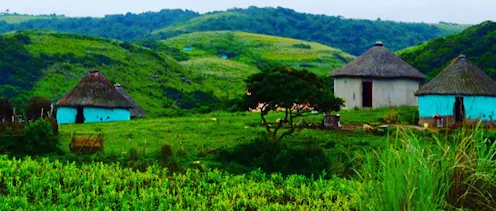
AmaBomvane of the Eastern Cape in South Africa provide an example of the impact such disruption can have. The traditional spiritual beliefs of this community underpin their entire way of life, and when “modern” interventions disrupted their spiritual practices, they began to suffer harm.
AmaBomvane aren’t the only community to have been affected in this way. Many indigenous communities around the world experience globalisation as a loss of spiritual connectedness. They include the Cree of the Whapmagoostui in northeastern Canada, the Anishinaabe (Ojibwa), also in North America, the Mohawk community of Akwesasne, and various indigenous communities in Hawaii, Australia, the Pacific islands and New Zealand.
For my PhD, I studied the understanding and practice of indigenous spirituality and its influence on well-being. I also explored the impact of the imposition of western, individualist values on Bomvanaland, a deeply rural area of Elliotdale, in the former Transkei region of South Africa. And I examined what enables the AmaBomvane to survive despite these challenges.
AmaBomvane
AmaBomvane’s beliefs traditionally inform their very existence. During my research I found that they understood spirituality to be about relationships. The main determinant of their community’s well-being was the management of strife in these relationships.
Their belief system is informed by ubuntu (humaness), a southern African ethic grounded in the belief that
A person is a person through other persons.
To amaBomvane, relationships exist between three dimensions: humans (living and dead), nature and the divine. All three areas are in a complex balance.
As they explained their beliefs to me, it became clear that amaBomvane did not see physical death as an end to life. They believe in the continued presence of family members (ancestors). Their core values are kindness, empathy and support for the collective. A person’s humanity depends on how they treat other people.
This beneficence is extended to the land and animals as well. AmaBomvane believe that humans exist in a reciprocal relationship with all of nature. When people harm the earth and the animals, they harm themselves. There is no separation.
AmaBomvane grew various plants for food and for treating illnesses. They also grew grain for making a local brew, which was used in maintaining their relationship with their ancestors and with God.
Their animals supported them to achieve and maintain their relationship to the divine through sacrifices. They protected and cared for their animals, which in turn nourished them physically and spiritually.
The land, too, was cared for and responded in kind. The land received the bodies of people’s ancestors and carried their cattle enclosures, which remained very spiritual spaces. Land also yielded the crops used for food and for making the beer for ancestral veneration.
The ancestors are spirit beings who are believed to liaise between God and family members, relaying messages to support well-being or admonishment for wrongdoing and disobedience. This is at the centre of amaBomvane belief system. Ancestors are believed to provide protection, guidance, advice, good health, and even punishment.
To enjoy well-being and thrive, people must maintain this relationship with the divine, others and the world around them.
AmaBomvane sustain the relationship through a collective expression of their spirituality. This occurs through songs, dance and various familial and communal rites of passage. They hold ceremonies that strengthen their identity and support their connection to each dimension of the relationship.
All these activities contributed to cultural continuity, supporting their well-being.
But, this cultural continuity has been systematically disrupted – historically by the entrance of colonial powers and contemporarily by globalisation and urbanisation.
Disrupted way of life
AmaBomvane identified three distinct ways in which their socio-cultural and spiritual wellbeing was disrupted. These were western spirituality, healthcare and education introduced by the colonial powers into their context. Their indigenous spiritual knowledges were demonised and marginalised. Lands were seized, causing forced migration and disrupting their access to spiritual resources, connection to one another and shared identity.
These disruptions continue. The ongoing socio-cultural, political and globalised approaches to “bringing communities into the 21st century” – like the poor engagement and collaboration between traditional healers and western healthcare practitioners – continue to create problems for amaBomvane. They assert that currently, some developmental agencies and businesses have cordoned off land for private use within their villages.
AmaBomvane made it clear that the global development agenda had contributed to division because it sees people as individuals rather than primarily as members of a collective.
They also believed that although it seeks greater good, the way in which human rights have been introduced into their context without incorporating their own moral belief systems has been more detrimental than beneficial to their community. An example that they cited was that children had become disobedient towards their parents and elders, contributing to broken relationships.
And the disruption of their traditional way of life, coupled with the lack of alternative ways of making a living, had led many amaBomvane, especially young people, to seek opportunities elsewhere.
This had negatively affected the practice of their spirituality. Community members were confused about their spirituality, combining both indigenous and western spiritual practices. Youth migration had also robbed the area of the young people needed to farm the land. Alcohol and drug abuse among the youth had also brought new social problems.
Shared humanity
There is no easy answer to amaBomvane’s dilemma. But they have proposed a way forward. They argued that those coming into their spaces must seek collaboration, not domination.
This collaboration must be led and infused by their indigenous value system of ubuntu. The community assert that if people recognise their shared humanity, the outcomes would be beneficial to the well-being of all – human, land, animals, and the divine.

Dr Chioma Ohajunwa is a lecturer at the Centre for Rehabilitation Studies at the Faculty of Medicine and Health Sciences at the University of Stellenbosch. Dr Chioma Ohajunwa received funding from the National Research Foundation (NRF) Grant Holder Linked Bursary for this study
Source: The Conversation – Articles (AFRICA)
Read more on The Conversation.
Join the fun: Add Your event | Submit a Press Release | Add your listing.


