Foodborne diseases are thought to impose a health burden on society comparable to the “big three”: malaria, HIV/AIDs and tuberculosis.
Common foodborne diseases affect tens of millions of people every year. They include salmonellosis, which causes stomach upsets, norovirus, which can cause severe vomiting and diarrhoea, and listeriosis, which can cause severe infections of the bloodstream and brain. Children and people with weak immune systems are affected most.
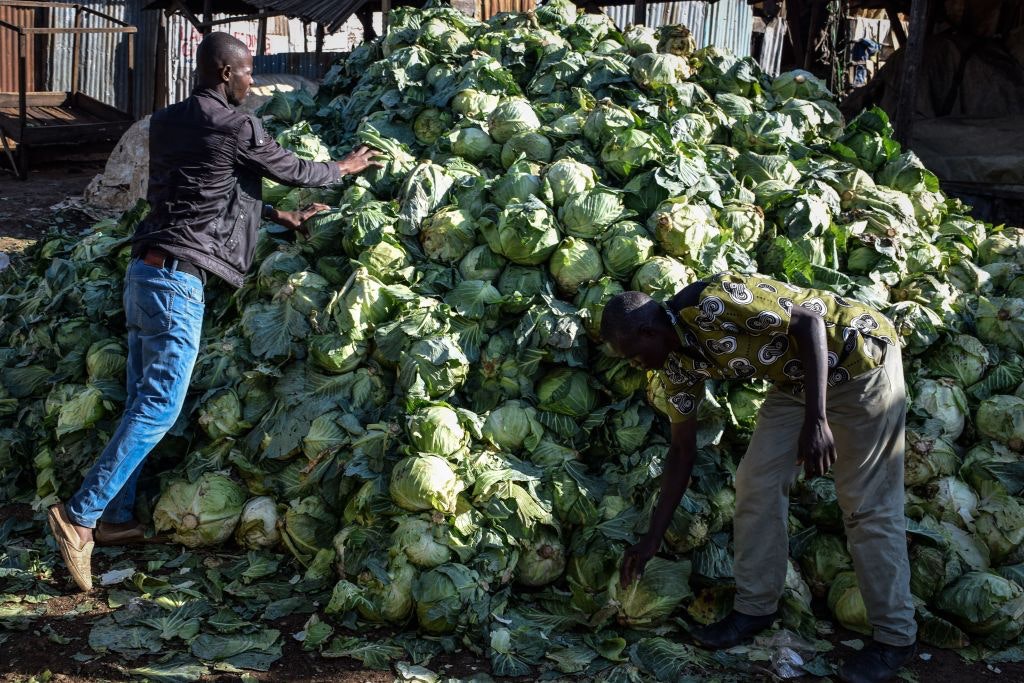
Foodborne diseases can enter the food supply chain – from the farm to our tables – at many stages. For instance, most low-income consumers source their foods from informal markets. For food to get to these markets, there are many actors involved and this makes it difficult to regulate activities. Infrastructure that supports good hygienic handling of food in these markets, such as potable water and refrigeration, is normally lacking.
Meat, fish, seafood and fresh vegetables are the most risky from a food safety perspective. This is because they act as a reservoir for many pathogens and provide an excellent medium for pathogens to survive and grow. Cereals are less of a food safety risk as they are not handled multiple times, and present a less attractive medium for pathogens to survive.
We wanted to know whether the COVID-19 pandemic’s restriction measures were having an effect on food safety. To understand the extent of the problem in East Africa we surveyed experts on food safety in the region. The countries included in this study were all those in the East African Community (except Rwanda) along with Ethiopia. Data were collected in November and December 2020 through telephone and online interviews with 25 food safety experts.
We began by piecing together what happened to the supply chains as a result of the pandemic and then went on to consider the implications for foodborne diseases.
We found that the lockdowns to curb the spread of the new coronavirus had various effects on food as it went from farms to plates.
Curfews and other measures, meant to limit public exposure to the disease, closed markets and popular outdoor eateries. These measures, on top of travel restrictions and a sharp reduction in purchasing power due to job and income loss, resulted in a reduction in demand.
For instance, the number of animals slaughtered declined. One example of this was in Juba, South Sudan, where the number of cattle slaughtered decreased from between 20 and 25 animals a day to just five. Although there’s no direct link to food safety, the reduction has implications for livelihoods, which would affect the quality of food people bought.
Livestock and cereal farmers faced a drastic loss of demand, as people had little money, local hotels were closed, and movement restrictions limited customers’ access to the farms.
All of these factors affected the food supply chain and resulted in potentially dangerous situations for consumers who could be exposed to foodborne diseases. These need to be properly investigated and addressed.
Four areas of concern
Our survey found four areas of special concern regarding food safety: overstocking; exploitative retailers; transport delays; and key food stakeholders working from home and in shifts.
Overstocking
Panic bulk purchasing by consumers, early in the pandemic, often led to poor storage. This is a particular concern for cereals which can easily be contaminated with aflatoxins, produced by fungi which colonise cereals and groundnuts.
Consumers were left with the option of either eating the spoiled food or throwing it away – neither is a good option.
Exploitative retailers
Panic purchases also created opportunities for untrustworthy retailers to sell poor quality and unsafe products.
In these situations, food control systems meant to protect consumers from unwholesome products are often ineffective. The priority of preventing the spread of COVID-19 meant that few government resources were left to undertake food safety work inspections. And in any case, most livestock products and fresh produce are sold in traditional markets, which even before the pandemic received little attention from food safety inspectors.
Transport delays
An increase in the time it takes to transport food and livestock feed, and delays at border points, invariably increased the risks of produce getting contaminated. Delays were due to requirements that drivers take COVID-19 tests and the long time it took for results to be returned. Fresh produce, including animal-source foods, can spoil quickly when they’re not stored at the right temperatures, raising the risk of serious foodborne diseases.
Working from home
Our respondents repeatedly mentioned that everyone was scared of being exposed to the virus. This meant that all workers in the supply chain, save those providing essential services, worked from home. Some food businesses worked in shifts, with limited staff. This meant that they were less able to perform routine inspection work (process checks, final product quality, market quality), leaving consumers exposed to risk.
On a positive note, restricted entry to food processing places (such as slaughterhouses) and the installation of numerous hand washing stations led to modest improvements in food safety.
Food security has been a major concern during the pandemic, but food safety has been largely neglected. Yet food safety is a major health and economic problem and if we are to build back better, food safety must be addressed.
Our findings demonstrate that there is need to sensitise all value chain actors about food safety, from production to consumption, even during periods of emergency such as this one.


