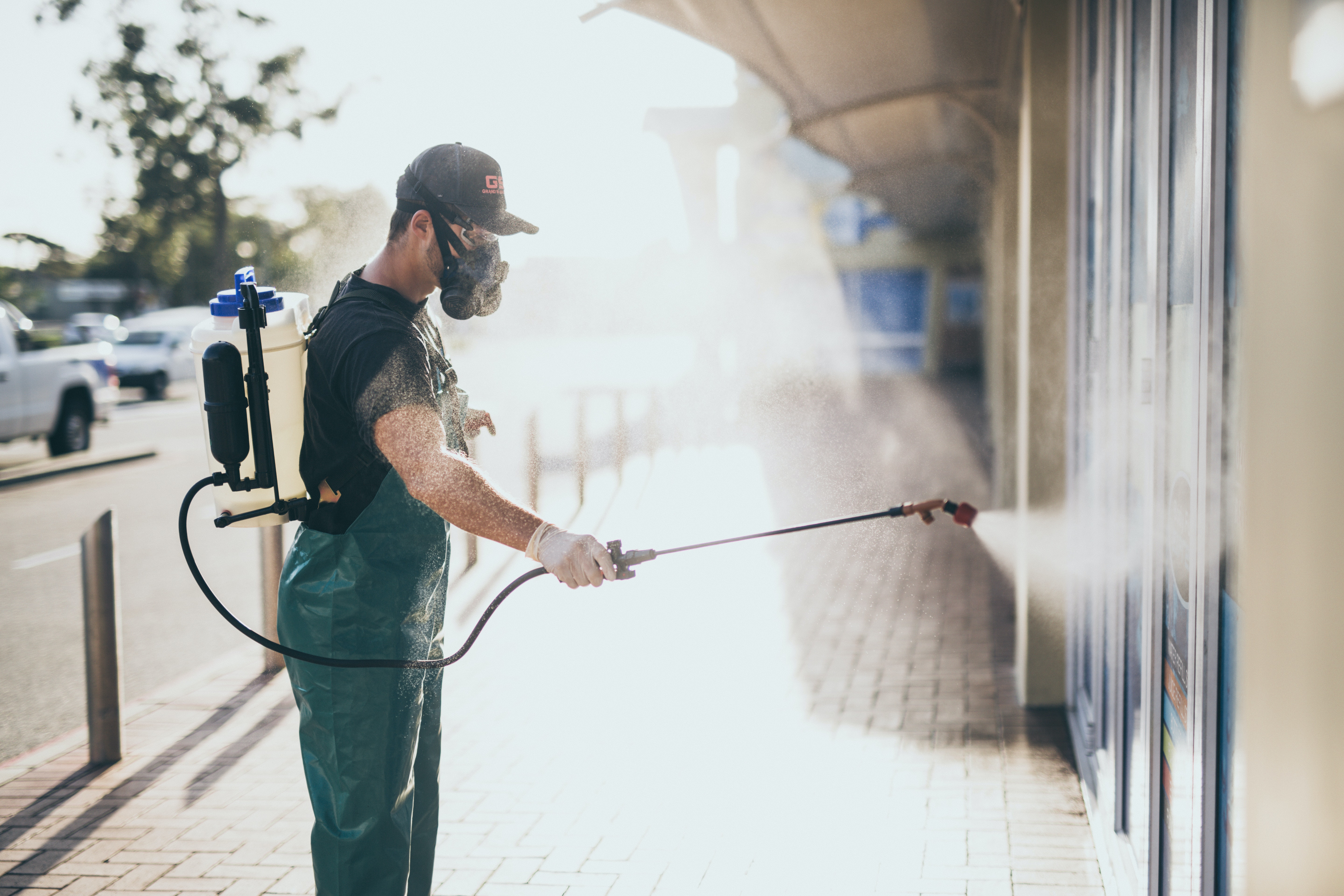
COVID-19 has had a significant impact on our lives. One effect that could yet be seen might be the development of bacterial resistance to disinfectants, as a result of the overuse of substandard disinfectants.
SARS-CoV-2 – the virus that causes COVID-19 – is susceptible to most disinfectants, including those containing 70% alcohol. As a result the manufacture and sale of “hand sanitisers” has become big business in the COVID-19 era. Hand sanitising is a key public health intervention and is encouraged in all public spaces. There is, unfortunately, very little control of the quality and efficacy of many of these hand sanitisers. These products are ubiquitous. Many of these “hand sanitisers” are in unlabelled bottles with no traceability.
But the increased use of disinfectants can have an unintended consequence. It could allow for the development of bacterial strains which are resistant to these disinfectants.
A team of the veterinary biotechnology research group at the University of the Free State in South Africa is working to understand the mechanisms of resistance to disinfectants. Our findings suggest that many of the mechanisms that bacteria use to become resistant to antibiotics are also used to develop resistance to disinfectants.
Once this study has been completed, we will have a good understanding of all of the genes involved in resistance to disinfectants in a particular bacterial strain. We hope to discover the mechanisms by which the bacterium has developed such high levels of resistance to certain disinfectants.
Tracking these mechanisms is becoming increasingly important. This is because disinfectants are one of the most viable protections against bacterial disease. (Another is biosecurity – preventing individuals from coming into contact with the pathogen.) Disinfectants could play an increasingly important role in managing bacterial infections in the future if the current trend of antibiotic resistance continues.
Once the mechanisms of resistance are identified, possible solutions can be investigated.
What we set out to find
We set out to identify which microorganisms were resistant to which disinfectants. We took environmental samples and tested the levels of disinfectant resistance.
We started by measuring the levels of resistance in vitro – in a test tube in the laboratory – as well as studying resistance at a molecular level. We isolated a bacterial strain that is highly resistant – up to 100 times more resistant – to all the different disinfectants which have been tested.
We did full genome sequencing of this isolate and compared the genes to closely related isolates. We found a large number of unique genes in this highly resistant strain.
So far, we have found that the highly resistant isolate has efflux pumps, which literally pump out the disinfectants. These same efflux pumps can also pump out antibiotics and many other antimicrobials.
We also found that the highly resistant strain of bacterium can grow on the disinfectants that contain sub-minimum inhibitory concentration levels. This means that the concentration of the disinfectant used is below the lowest concentration needed to kill the pathogen. In other words, the pathogen is exposed to the chemical but at such low levels that the chemical cannot kill the pathogen. This allows the pathogen to develop resistance. We are also investigating plasmids as a means of transferring resistance genes to other bacterial species.
Our current research drive is to study the RNA (that is the molecule that the bacterium uses to convert the genetic material into a protein) of the bacterium when exposed to high levels of disinfectants. The finding of RNA indicates that the genes have become activated when exposed to disinfectants.
Implications
The finding of highly resistant strains of bacteria is particularly concerning as the use of disinfectants could well be the last line of defence when dealing with antibiotic resistant strains of bacteria. The widespread use of disinfectants as a result of the COVID-19 pandemic could result in the increase of disinfectant resistant strains of bacteria.
As long as good quality disinfectants are used correctly, most will be able to kill the novel coronavirus.
There is, however, a need to establish tests on the efficacy of the massive number of “hand sanitisers” that are now suddenly available.


