How indigenous and faith healers approach mental health in Ghana:
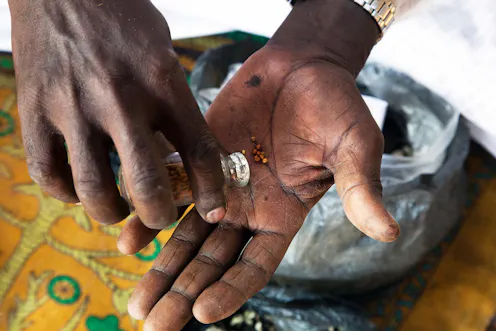
The use of non-biomedical methods to treat mental disorders in developing countries, like Ghana, has long been acknowledged. The World Health Organisation (WHO) estimates that about 80% of people who need mental health care in developing countries go to indigenous or faith healers for care.
Some studies have been done to explain the popular use of non-biomedical health care alternatives, and various reasons have been suggested. These include an alignment of the illness beliefs of patients and healers, easier or more flexible accessibility, and cost.
But many of these studies of non-biomedical health care systems in Africa tend to assess the healers as one homogeneous group of practitioners. In our study, we argued that different types of healers may hold different worldviews. These in turn influence how they conceptualise or think about different disorders.
We conducted interviews with 36 participants from four different categories of non-biomedical healers in Ghana’s capital Accra. The categories of healers were herbalists, Pentecostal Christian faith healers, traditional medicine men (also called shrine priests) and Muslim clerics/healers.
Using case vignettes, we examined the healers’ notions about three different types of mental disorders – schizophrenia, depression and post-traumatic stress disorder (PTSD). We examined their ideas about the nature and perceived effects of the different disorders, as well as their thoughts on the causes.
Understanding the different beliefs about different disorders is important in efforts to improve mental health care in developing countries. In particular, with increased calls for collaboration between biomedical and non-biomedical health care systems, it’s important to understand how the different groups of healers think about different conditions.
Different views on different conditions
Our data suggest that indigenous and faith healers’ views on psychotic illness were similar to biomedical notions. But they held different views on depression and PTSD. These views were fluid, and obviously influenced the choice of treatments they offered patients.
All the healers readily identified the case vignette of schizophrenia as an example of mental disorder. This was often described as “madness” by the healers. Some local names that the healers used included “abɔdam”, “εdam” and “sεkε”. These names are often used to describe people whose behaviour is perceived as disruptive, disorganised or overtly dysfunctional.
Although the participants believed spiritual factors like witchcraft and curses could cause such a condition, they were also aware that certain physiological processes (such as traumatic brain injury) as well as abuse of drugs and alcohol could account for it. They all considered it to be a severe condition which required urgent intervention.
So for this psychotic disorder there weren’t major differences in the views of the various categories of healers, and their views were similar to biomedical understanding of psychotic disorders.
But this wasn’t the case for all the disorders.
For example, most of the healers were quite firm in their views that post-traumatic stress disorder was not a mental disorder. Rather, they considered it to be a normal reaction to a traumatic experience. The healers thus endorsed more psychosocial explanations for PTSD.
Depending on their orientation, they described different causes for the symptoms of PTSD. For example, pastors, described PTSD as being due to the presence of a “spirit of fear”. Some herbalists also believed the symptoms were physiological manifestations of “thinking too much”.
Given these different notions of cause, their recommended treatments also varied. However, all the participants emphasised the need for some form of counselling. In most cases, the healers believed that PTSD could develop into full-blown “madness” (ie disruptive/psychotic behaviours) if left untreated.
There was a great deal of difference between the healers when it came to depression. Most of the herbalists had physiological explanations for the symptoms and did not consider depression to be a mental disorder. For their part, the traditional medicine men viewed depression as a milder form of mental illness. Some pastors did identify the condition as depression, while the Muslim clerics saw it as potentially resulting from Jinn possession.
As expected, the recommended treatments were based on the identified cause. For instance, the herbalists mostly recommended treating the underlying physiological condition through herbal remedies. The pastors advocated biomedical care as well as spiritual interventions like prayer and fasting.
Collaborating
In many African countries traditional and faith healers are viewed as community leaders and their views are likely to reflect those of their patients. Consequently, biomedical professionals who treat patients who are also seeking help from indigenous and faith healers, would benefit from understanding the different beliefs about different disorders. This can then form an important part of clinical training and practice.
In addition to this, the healers’ positions of influence within their communities is a unique opportunity to enhance the reintegration and monitoring of patients once they return to their communities. Their influence can also play a key role in fostering patient behaviour change and treatment compliance, as well as eliminating stigma.
But this can be done only through appropriate collaboration with community-based healers. It can only work effectively if there’s an appreciation of the different views of different healers. Understanding this diversity of approach may be crucial in developing a framework for collaboration amongst different types of healers (including biomedical practitioners) to improve mental health care.

Leslie Swartz receives funding from the National Research Foundation.
Lily Kpobi does not work for, consult, own shares in or receive funding from any company or organisation that would benefit from this article, and has disclosed no relevant affiliations beyond their academic appointment.
Source: The Conversation – Articles (AFRICA)
Read more on The Conversation.
Join the fun: Add Your event | Submit a Press Release | Add your listing.


