How Nigerian women are using WhatsApp to chat, learn and earn:
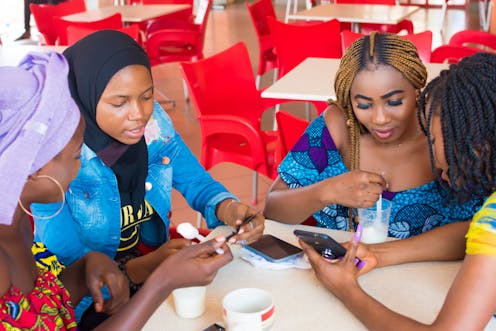
Mobile phones have become widespread all over the world, including in rural and low-income communities. As research shows, these devices have the potential to bring about significant societal change – a fact acknowledged in the United Nations’ Sustainable Development Goals.
But while the promising role that mobile phones and other Information and Communication Technologies could play in empowering women – particularly in Africa – has long been discussed, relatively little is known about how, when, and why this happens.
We conducted a study with women from the Nigerian city of Kano to see how they were using the mobile messaging service WhatsApp. We wanted to know whether the app had opened up opportunities and freedoms that contributed to empowering them.
Many women said that WhatsApp had allowed them to communicate better, particularly with local politicians. They felt empowered to talk about their concerns openly in WhatsApp discussion groups. And they had more access to information. Others joined religious study groups on WhatsApp, sharing questions and knowledge with other women.
Some women converted their access into opportunity. For instance, they advertised small businesses or services on WhatsApp groups, and earned money as a result.
The women in our study were able to use WhatsApp groups to push the barriers of societal norms that typecast them in gendered roles of mothers and housewives. Using this technology, they were able to become agents of their own change as well as make and exercise choices.
WhatsApp and the Women in Kano
Kano is a predominantly Muslim community. It is in Kano state, which has one of Nigeria’s highest smartphone densities – about 7.81 million of the country’s 60 million smartphone users live there.
First, we identified two women leaders in community groups to help us find participants for the study. These were selected based on how actively they were engaged in community groups. They also needed to own a smart mobile phone. We did interviews and focus groups with a diverse group of women, asking how they used WhatApp and what benefits they felt this had.
Some had become more politically empowered. Murja’atu*, a 34-year-old housewife, said:
Initially I always wondered on how to communicate with elected officers especially those of them located in Abuja. We only saw them during the election period but now this online group allows me to interact with them more frequently using the women leader as the intermediary.
Her experience was echoed by 28-year-old Safiya, a shop owner:
Our senator made some certain promises during his election campaign after some time we still had not heard from him. I posted it on the group and other members picked up on it, we kept at it till the woman leader passed on our message. Some of the issues have been addressed now.
The inexpensive and simple form of sharing information on the groups enhanced women’s ability to learn and get clarification about concepts that were unclear to them. In other cases they were able to get help with their children’s homework. This was mentioned repeatedly in the focus group session as one of the things women valued the most about being part of a WhatsApp group.
WhatsApp also proved to be a valuable source of information about health and safety. For example, 41-year-old Asabe, one of the community group leaders, shared this story:
A husband of one of our group members is a health worker, so she regularly posts information regarding health practices, during the last cholera outbreak, I learnt of it from the post she made. It includes preventive measures such as washing vegetables thoroughly, adding salt while washing and boiling water before drinking.
The focus groups participants repeatedly mentioned that WhatsApp groups made them feel like part of a community. There was a strong commitment to working together and solving problems.
Economic opportunities
The WhatsApp group forums have also enabled the women to conduct business sales by marketing their products and services. These entrepreneurs usually send photos of the products and services to prospective clients to have a precise image of what they are planning to buy. A customer is allowed to choose the method of payment and also the method of delivery.
These business women have also used WhatsApp to reach out to their customers on changes in prices. With the current economic situation in country, market prices fluctuate on a daily basis. The women use the forum as a platform where they can post and discuss changes in market prices.
The women now have greater access to customers all over Nigeria. One said:
I met a lady that lives in Yola (910 kms away from Kano) through WhatsApp and now she has become one of my most trusted and loyal customers, I send her products worth thousands of Naira and I have never met her physically before.
Postings about jobs and vacancies also formed part of the discussion in these WhatsApp groups. These jobs included household jobs, events and catering. Those who were interested usually contact the employers and interviews were arranged using WhatsApp voice and video calls.
Positive impacts
The findings of this study show that income generation, saving opportunities, expansion of businesses were all economic capabilities that were expanded and afforded to the women by the use of mobile phones.
The use of mobile phones also led to other capabilities that covered other aspects of human development and that have different impacts on the lives of these women and their communities.

The authors do not work for, consult, own shares in or receive funding from any company or organization that would benefit from this article, and have disclosed no relevant affiliations beyond their academic appointment.
Source: The Conversation – Articles (AFRICA)
Read more on The Conversation.
Join the fun: Add Your event | Submit a Press Release | Add your listing.


