How the placenta can shed light on HIV mothers and their babies:
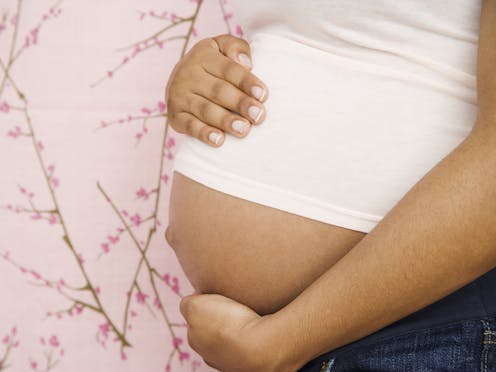
In many parts of the world, the human placenta (the after birth) is discarded once a baby is born and considered waste. The focus is on the child and the new mother.
But scientists have started to wake up to the fact that the placenta has many important cells – and that they are able to gain valuable insights into a baby’s development by harnessing modern technologies to understand this transient organ.
A lot is known about the placenta already. It starts to develop a few weeks after the egg has been fertilised and the foetus has started to grow. During the pregnancy, as the foetus grows, the placenta develops into a well-structured and highly specialised organ.
As an organ it plays numerous critical roles. It provides the foetus with oxygen, water and nutrients. It ensures all waste products including carbon dioxide are eliminated and it acts as the conduit for hormones like progesterone and estrogen between the mother and the foetus.
But what still remains a mystery is how it develops in HIV positive pregnant women. Several studies in sub-Saharan Africa have shown that when a mother-to-be has HIV there is a significant likelihood that she’ll face challenges. This includes stillbirth, a preterm delivery, delivering a baby that is small for its gestational age or having a baby that dies within the first month. If the baby survives, it is likely to be very ill in its first year of life.
This has led scientists to start looking at the placenta to try and gain insight into the effect of HIV on the time of delivery and the health of the newborn babies.
But accessing the placenta isn’t easy. Firstly, it’s difficult to study it at various times of the pregnancy because the unborn child is fully reliant on it and any adjustment could negatively affect the baby. Getting access to the placenta is also a very costly and time consuming exercise.
And lastly early onset of HIV treatment for HIV positive pregnant women makes it hard to tell whether its the actual virus or the treatment that alters the placenta.
But as the only link between the mother and child it is the only avenue to understand the baby’s development.
All this points to why it’s important that novel approaches are used to investigate the link between HIV, treatment regimens, and adverse birth outcomes as well as the effect of HIV on quality of life after birth.
Next steps
There are several ways the placenta could be evaluated. One way of understanding the placenta’s role is to look at its cells. It’s home to millions of cells grouped into different cell types. Each cell type plays an important role during pregnancy.
One subset is the regulatory T cells. They regulate how certain systems in the human body function. In a normal setting, these cells should increase in number during pregnancy. Research suggests these cells actually migrate from the mothers blood, towards the placenta to ensure that the foetus remains protected.
Research into blood going into the placenta in HIV infected mothers shows that these cells don’t increase as steadily as in healthy uninfected mothers. That means that the baby is less protected.
A second approach is to evaluate the actual structure and size of the placenta. The average weight of a placenta at 40 weeks is between 500 grams and 700 grams. But, in some cases, the placentas of HIV positive mothers are marginally smaller. The placentas from HIV infected mothers have also been found to have increased inflammation, and develop lesions that block blood supply and oxygen. This may be the underlying reason why the newborns are small for their gestational age.
Challenges
There are a number of limitations to studying the placenta.
One of the challenges in studying the placenta of HIV positive women is that most are now treated as soon as their HIV status is known. This makes it very difficult to tease out whether complications are being caused by the HIV virus or the treatment regimen the mother is taking.
Secondly, research is limited because of the complexity and expense involved in carrying out investigations into placentas
Thirdly, because the unborn child relies on the placenta, it’s difficult to study it without compromising the safety of the baby. This means that placentas are usually evaluated during early pregnancy (first trimester), after an elective abortion or miscarriage or late pregnancy (third trimester), when the baby is born. They are seldom studied during the second trimester.
Despite these limitations, the placenta is an organ that can tell a very interesting story. By investigating the placentas of both HIV infected and uninfected mothers, scientists may be able to get a sneak peek into life inside the womb.

Nadia Chanzu-Ikumi does not work for, consult, own shares in or receive funding from any company or organisation that would benefit from this article, and has disclosed no relevant affiliations beyond their academic appointment.
Source: The Conversation – Articles (AFRICA)
Read more on The Conversation.
Join the fun: Add Your event | Submit a Press Release | Add your listing.


