A recent ground-breaking series of reports in the science journal The Lancet unpacks what commercial determinants of health are, and how they affect public health. It uses a new, broader definition of the determinants:
the systems, practices and pathways through which commercial actors drive health and equity.
Some commercial entities contribute positively to health and society. However, research shows that some commercial products and practices are directly linked to avoidable ill health, planetary damage, and social and health inequity. Large transnational corporations are especially to blame.
Read more: Profit versus health: 4 ways big global industries make people sick
The Lancet series examines not just directly damaging products (such as alcohol or ultra-processed foods) but the commercial practices that influence human health, inequities in health and planetary health. The series highlights the need to better understand the diversity within the commercial world, and the variety of ways its normal operations harm humanity and the planet.
3 ‘hidden’ industries that can harm your health
Some seemingly benign – or even beneficial – industries actually have major and avoidable impacts on health. They contribute negatively to health in subtle or indirect ways.
The pharmaceutical industry is one. Its abuse of intellectual property to increase prices and limit access to essential drugs is a common trend. The pre-selling of COVID-19 vaccines to wealthy countries is a recent, massive-scale example. The industry’s longstanding resistance to lowering the price of antiretroviral drugs for HIV meant that untold thousands, mostly in developing countries, died because they lacked access to treatment.
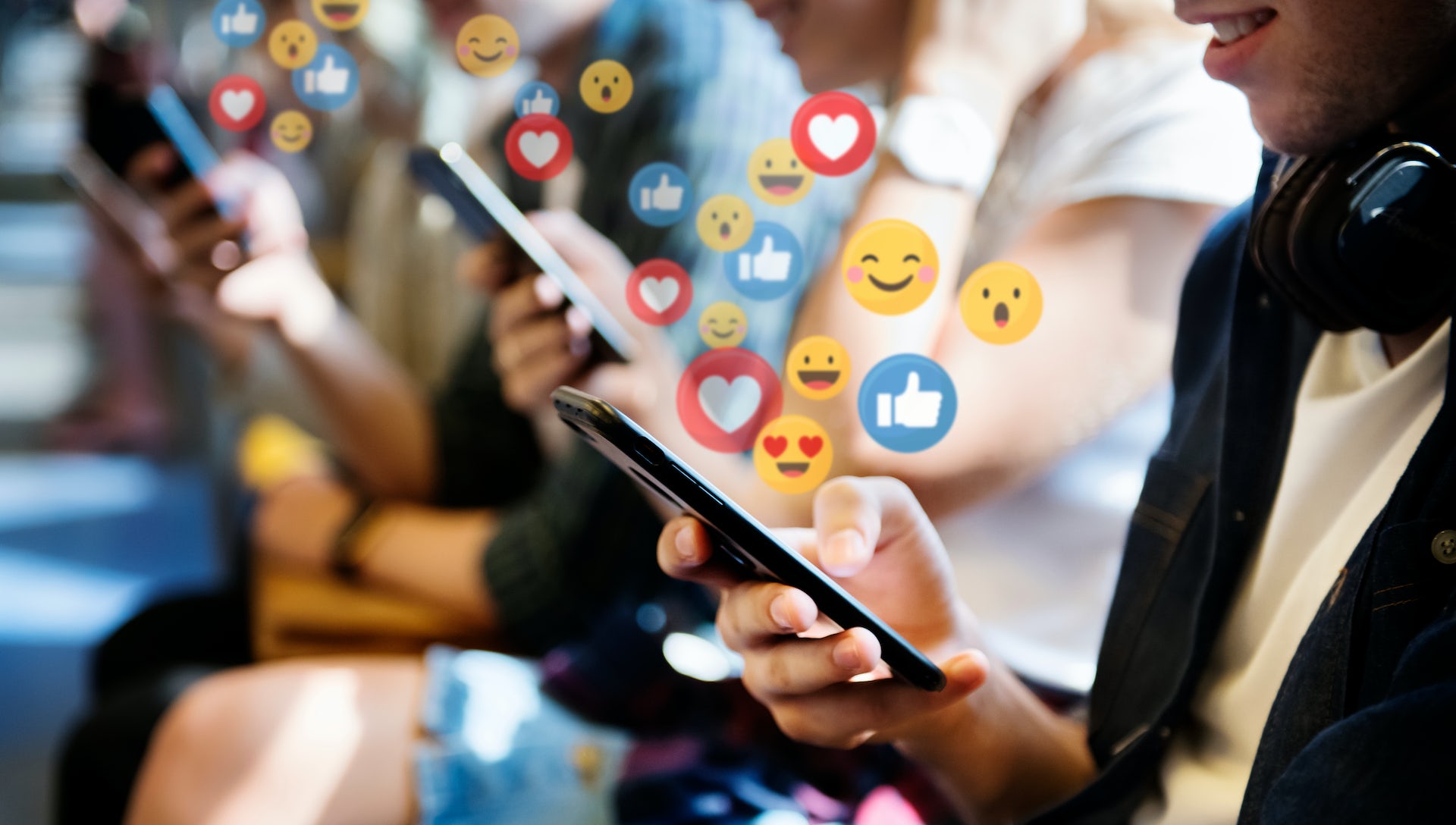
Social media is another industry of particular concern especially given the increase in its consumption in recent years. A plethora of research confirms the adverse effects of social media on mental health, especially an increase in cases of depression and anxiety.
On top of this, other industries often use social media to promote harmful products and for “social washing”, a strategy employed by companies to promote themselves as more socially responsible than they actually are, purely for brand promotion. We have also seen an increase in “surveillance capitalism” whereby private information is gathered through social media use. The information is then used by, for example, junk food companies through platforms such as Facebook for the targeted marketing of unhealthy commodities.
Extractive companies have also been linked to various health and planetary harms. Air and water pollution, environmental degradation, fatalities, silicosis, and noise-induced hearing loss are just a few examples of these harms. A report by the South African Human Rights Commission has severely criticised the mining industry and held that this sector “is riddled with challenges related to land, housing, water and the environment”.
In the South African context, the harms created by the mining industry are particularly concerning given the knock-on, damaging socio-economic effects – for example as a result of the loss of breadwinners – on families and, often, vulnerable communities.
Harmful business practices
Not only can harm to global health come from a range of industries, it can also come indirectly from business practices. Three harmful practices are:
Next steps
Commercial determinants of health are clearly influenced by a much wider range of actors and practices than the more obvious product-related harms of the “big four” (tobacco, alcohol, ultra-processed foods and fossil fuels). No business entity is purely “good” or “bad”, but we have seen an increasing trend where companies use “beneficial” practices, such as sponsorship, donations and pledges to environmental causes, to mask harmful practices and influence politicians.
Without a common understanding that these industries are harming our health, no action can be taken against them. Holding industry accountable and stricter government regulation are the minimum actions needed.
The Lancet series authors are calling for a global move towards health-promoting models of commerce. This is a move away from emphasising profits and economic growth, and instead focusing on societal and planetary health and well-being.
This article is part of a media partnership between The Conversation Africa and PRICELESS SA, a research-to-policy unit based in the School of Public Health at the University of the Witwatersrand. Researchers from the SAMRC/Wits Centre for Health Policy and Decision Science also contributed to the Lancet series on the commercial determinants of health.


