African leaders face a dilemma over trade relations with the United States. Should they push for the extension of the Africa Growth and Opportunity Act (AGOA) or for each country’s bilateral trade deal with the world’s biggest economy?
AGOA was the signature economic policy of the Bill Clinton administration. It provides eligible sub-Saharan African countries with duty-free access to the US market for over 1,800 products. It is set to expire in 2025 but is up for discussion at the annual forum on AGOA taking place alongside the US-African Leaders Summit (13-15 December 2022).
The Trump administration preferred to negotiate bilateral trade deals with African countries.
A free trade agreement negotiation with Kenya in early 2020 was supposed “to serve as a model bilateral deal for other African countries”.
Read more: The US is revisiting its trade relations with African countries: key issues on the table
I have been studying Africa’s trade deals and trade blocs for over 25 years. I was one of the zero-draft authors of the Africa continental free trade area, and have assessed regional blocs, the World Trade Organisation and the AGOA.
My view is that African leaders should seek a renewal of AGOA. The individual bilateral trade agreements would undermine the African Continental Free Trade Agreement. One of the goals of the continental market is to boost intra-Africa trade and encourage production of higher value exports.
US trade preferences
The Biden administration’s trade agenda continues to be greatly influenced by US multinational corporations that want access to African markets.
For example, in July 2022, the US launched a US-Kenya Strategic Trade and Investment Partnership.
Although the agenda is less ambitious than the Trump administration’s, it poses many risks for Kenya. For example, the proposed regime may require lifting of tariffs on agricultural imports from the US, exposing Kenyan farmers to an onslaught of highly subsidised US exports.
The proposed deal’s call for “good regulatory practices” imply rollback of public-interest administrative processes in favour of foreign corporations. For instance, African governments may have to give up regulations on environment, labour, consumer and public health whenever deemed to be barriers to foreign investments.
Likewise, the “digital trade agenda” is likely to be harmful. This agenda requires governments to protect the interests of the biggest technology companies. That often happens at the expense of smaller domestic firms and their workers. The digital agenda is therefore likely to entrench the ability of big-tech companies to undermine national laws on competition and data privacy. These are all undesirable consequences that Africa should avoid.
Africa’s agenda
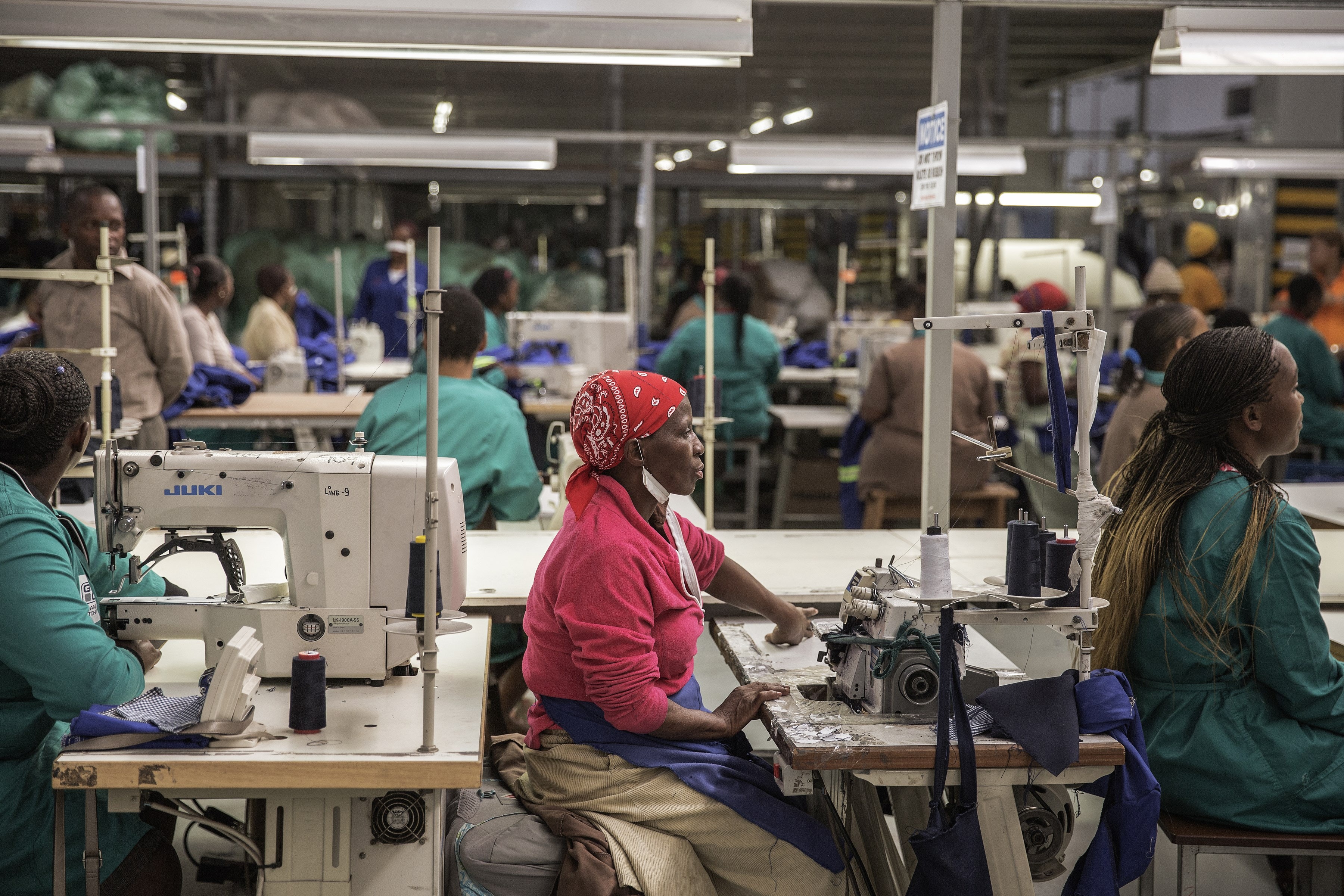
A high proportion of exports from Africa to the US have been precious stones and metals, such as platinum and diamonds, as well as mineral fuels and apparel. These exports reflect the continued inability of African economies to move away from primary products to industrial production.
Moving African products onto higher rungs of the global value chain requires at least two things: increased intra-Africa trade and international market policy support.
More intra-African trade would produce savings that could be reinvested into producing higher value products. For example, billions of dollars invested in buying food from outside Africa could be reinvested in agro-processing firms if intra-African food trade became successful, as contemplated under the continental market.
Similarly, countries like the US can reorient their trade and investment policies to support the development of productive capacities and value addition of African agriculture, trade and services.
Unless African economies are able to produce higher value exports, they will continue to earn minimal returns from global trade.
One of the complicating factors for Africa is the sheer diversity of interests in each of the 55 member states of the African Union. There are the least developed economies like Burundi, on one hand, and sub-regional powers like South Africa, Kenya and Nigeria, on the other. Balancing the competing interests among these countries has been one of the stumbling blocks to realising the vision of a continental market. These differences have also manifested themselves in negotiations of the Economic Partnership Agreements with the European Union.
Pursuing bilateral trade deals with the US will probably burden African economies with trade obligations that disproportionately favour highly subsidised US industries.
The US, for example, heavily subsidises agriculture. Bilateral trade deals will likely overwhelm Africa’s agricultural sector. This will in turn undermine the continent’s industrialisation goals.
AGOA has a price
Going for the extension of AGOA beyond 2025 isn’t an easy route. This is because, as the US has pointed out, few African countries that qualify for AGOA benefits have used them fully. Of 36 African countries eligible to bring in their exports to the US duty free, almost none fully utilises this preferential access.
Choosing AGOA could also mean having to give up the aim of growing domestic industries that can export products of high value. For example, Rwanda’s apparel AGOA benefits were suspended in July 2018 after Rwanda banned imports of secondhand clothes to support its own apparel industry. Kenya faced the same dilemma but chose AGOA benefits.
So, supporting renewal of Agoa may under certain conditions come at a price: the ability to become makers and exporters of high-value products.
What works
There is one issue where African countries should speak in one voice. US-Africa trade relations must be designed in a way that does not undermine the African continental free trade area’s goal of increasing intra-African trade.
This goal could save Africa billions of dollars annually by buying goods produced within the continent.
African countries should not sacrifice their collective goal of promoting intra-African trade through the African Continental Free Trade Area, and other sub-regional groups like the East African Community, by negotiating bilateral trade deals that will disproportionately favour US industries while hurting African firms.


