Using sports to understand social and political phenomena has become a common avenue for research. Scholars analyse how particular athletes can help reduce prejudice towards religious outgroups. Others investigate how the act of playing sports together might help overcome animosity between generally antagonistic social groups. This could be for religious or class reasons.
How fans react and behave after important sports events can also tell us something about social relationships.
Our recent study sought to test how a win by a national sports team affects attitudes toward compatriots and toward those regarded as foreigners, particularly refugees. The study highlighted how national sports victories influence nationalism and national pride. But that it can also influence attitudes towards refugees.
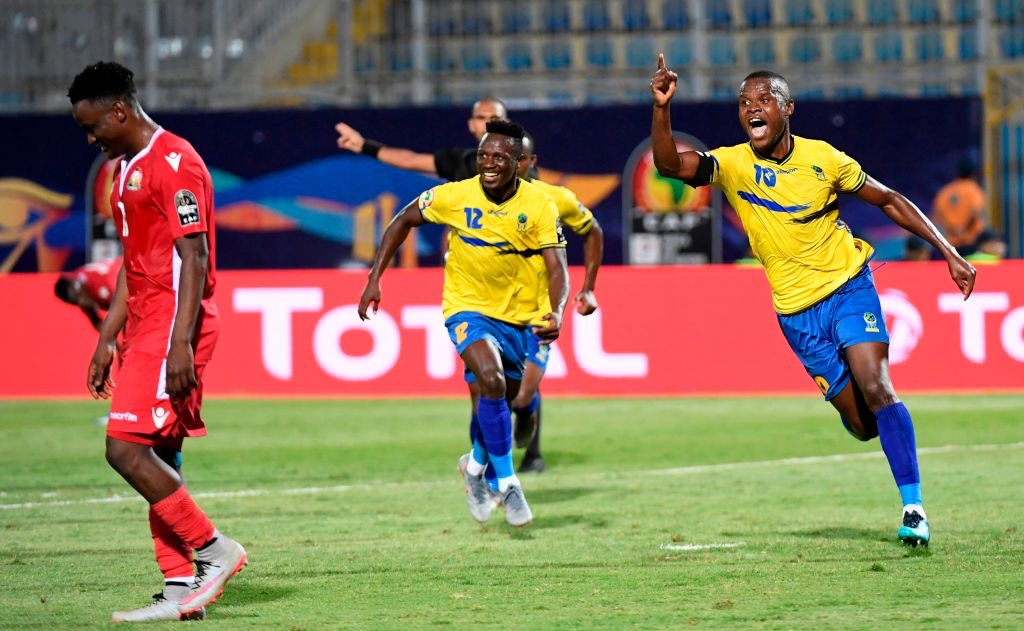
We used a football game between Kenya and neighbouring Tanzania as an opportunity to do this. Played in June 2019, the Africa Cup of Nations tournament group match was an intense affair. It was tied until the last few minutes, when Kenya’s forward Michael Olunga scored the winning goal for a final score of 3-2.
We set out to answer several questions. First, whether the event could be reframed to encourage citizens to be more inclusive? And second, does making particular pieces of information about the match more salient move people towards more inclusive attitudes and behaviour toward refugees?
Answering these questions offers important lessons for how governments, media, and others communicate sporting events and outcomes. These are important questions in context of Tanzania and Kenya. Both host large groups of refugees.
We found that the Kenya national team win increased national pride and identification with the nation. We also saw that it increased animosity toward refugees. But we concluded that this animosity could be overcome by presenting information about the diversity of the national sports team and highlighting a shared pan-African identity.
Benefits and drawbacks to nationalism
Tanzania is often held up as a symbol of peace derived from strong nationalism. For its part, Kenya exhibits intense ethnic divisions.
Political science literature in general treats the benefits, on the one hand, and downsides, on the other, to strong nationalism separately. Research focused particularly in sub-Saharan Africa and other regions in the Global South has demonstrated how a national identity can be a unifying force. National identity can help bridge subnational identities and overcome animosities particularly between competing ethnic and religious groups.
Scholars have found that highlighting a shared national identity can improve cooperation and even reduce violence among these subnational groups.
On the other hand, however, research generally focused on the US and Europe has highlighted the negative side of nationalism. Here nationalism is often associated with greater xenophobia. It is also associated with. negative attitudes towards foreigners, particularly immigrants and refugees.
In our study, we sought to examine the potential drawbacks to nationalism – negative attitudes toward foreigners – in the two East African countries.
Using an online survey of Facebook users in Kenya and Tanzania before and after the June 2019 match, we analysed how the win in Kenya – compared to the loss in Tanzania – affected attitudes.
We found that winning increased national pride and preferences for resource allocation towards compatriots. In other words Kenyan respondents were more likely to say they would allocate scarce government resources to their fellow citizens.
But it also led to negative views of refugees’ contribution to the country’s diversity. Respondents were less likely to agree with the statement that: “Refugees positively contribute to diversity in the country.”
These negative perceptions lasted for about three days after the match.
We also tested whether providing certain pieces of information about the match could help ameliorate animosities and even lead to positive attitudes.
Positive messages
Recent research shows that changes to messaging can reduce negative attitudes towards refugees.
We tested whether during the heightened period of nationalism after a football match, we could, as researchers, design ways to communicate the national sports to increase inclusivity.
In the post-game survey we tested ways of reframing and presenting information about the match. One message emphasised the diversity of the team’s players. Another highlighted the pan-African identity shared by all players in the tournament.
We found that communicating the match in these ways helped to offset negative attitudes. In fact, it actually fostered positive attitudes towards refugees. We also saw that the pan-African message made Kenyan respondents (compared to Tanzanian respondents) more willing to allocate government resources to refugees after the game.
We think these findings are important for governments and media outlets in their own press releases and communication strategies.
Policy implications
As migration continues to change the composition of nations, policy makers must find tools to encourage a more inclusive kind of nationalism.
Our research showed that reframing the victory as a result of cooperation among diverse players could improve attitudes towards refugees. Of equal value was highlighting a pan-African identity. We believe this is an important insight. Governments, advocacy groups, and the media could easily include these types of messages celebrating diversity and inclusivity in the reporting of such national events.


