On 5 March 2022, Kenya declared an outbreak of yellow fever in Isiolo County after the death of three people. More than 20 people were reported to have contracted the deadly viral disease in Isiolo in the previous month. Counties bordering Isiolo were placed in the high-risk bracket.
Yellow fever outbreaks occurred in nine African countries in 2021. They were Cameroon, Chad, Central African Republic, Côte d’Ivoire, the Democratic Republic of Congo, Ghana, Niger, Nigeria and the Republic of Congo.
It is estimated that 47 countries in the world – 34 in Africa and 13 in Central and South America – are susceptible to yellow fever. The disease is endemic in tropical areas of these regions.
In Africa, the burden was estimated in 2013 to be between 84,000 and 170,000 severe cases and 29,000 to 60,000 deaths. Most of the world’s yellow fever cases have been reported in west and east Africa.
Transmission and symptoms
Yellow fever is an acute viral haemorrhagic disease which is transmitted by infected mosquitoes. It is also possible to contract the disease from the bite of an infected primate or human.
The symptoms of yellow fever range from mild, nonspecific illness (fever, headache, muscle pain, nausea, vomiting and fatigue) to severe disease (jaundice, haemorrhage and death). The severe symptoms are usually recorded in only a small proportion of patients, but death can occur in half of these cases within 10 days.
According to the World Health Organisation, three types of yellow fever virus transmission may occur in Africa.
-
The first is the sylvatic (jungle) transmission, which is rare but endemic. It is caused by Aedes africanus mosquitoes feeding on primates like monkeys and humans found around forests at night.
-
The second is intermediate transmission. This is the commonest in Africa. It is driven by mosquito species like Aedes formosus, Aedes africanus and Aedes simpsoni which breed in the wild and around households. Exposure of one person can lead to infection of all household members.
-
Lastly, there is urban or large endemic transmission. This occurs when infected people introduce the yellow fever virus into densely populated areas that are infested with Aedes aegypti mosquitoes, and where most people have little or no immunity because they haven’t been vaccinated or previously exposed to the disease.
Vaccine
There is no specific anti-viral drug for yellow fever at the moment but the disease is preventable through a single dose vaccine. The vaccine provides a sustained immunity and lifelong protection for 80% to 100% of vaccinated people. At the moment, Kenya doesn’t have a regular vaccination programme for risk areas but the government usually arranges for mass vaccinations during outbreaks.
Infants of less than nine months, pregnant women (except during a yellow fever outbreak), people with egg protein allergies, and those with low immunity should not be vaccinated.
Risk in Kenya
Before the current outbreak in Kenya, yellow fever infected 55 people and killed 34 in Kerio valley in 1992 and 1993. That outbreak came 50 years after two reported cases in 1943.
Studies have showed that the 1992/93 outbreak was sylvatic, transmitted mainly by Aedes africanus and Aedes keniensis mosquitoes. The outbreak, like the current one, predominantly affected young males. The victims had exposure to woodlands where vervet monkeys and baboons were found.
Increased population density in the rural areas that may lead to encroachment into forest lands has been suggested as a risk factor in Kenya. This, coupled with rapid migration to the densely populated cities – where high densities of Aedes aegypti mosquitoes coexist with unvaccinated residents – provides the conditions for an epidemic.
No yellow fever outbreak has ever been reported in a Kenyan city, but the risk should not be ignored. Most urban areas in Kenya are crowded with unvaccinated people.
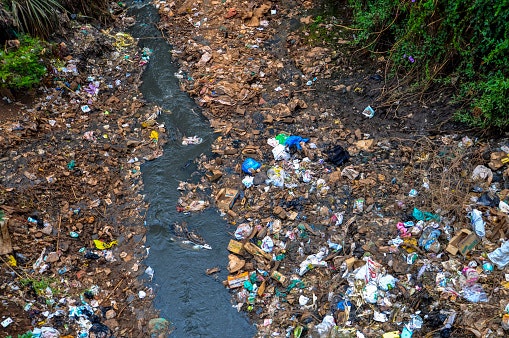
The urban centres are also plagued with poor housing, inadequate sanitation and little access to running water. Water is often stored in large, open containers. These are the preferred breeding sites for mosquitoes that transmit yellow fever in urban areas. Recent reports from Angola and Congo indicate that yellow fever epidemics may spread quickly in crowded urban areas.
Read more: Lockdown and flooding raise the risk of a spike in mosquito-borne diseases in Kenya
Preventive measures
Kenya should consider mass vaccinations targeting all age groups in high-risk counties. This happened in Côte d’Ivoire between September and October 2001, when up to 2.61 million people were vaccinated in a 12-day period in Abidjan.
It’s also advisable to have sustained vector surveillance and control programmes. This could include the use of insecticide at mosquito breeding sites, especially stagnant water.
Communities can help manage the environment to reduce mosquito breeding sites. People can wear clothing that minimises skin exposure, and use mosquito repellents. The usefulness of insecticide-treated bed nets is limited by the fact that Aedes mosquitoes bite during the daytime.
Prompt detection of yellow fever and rapid response through emergency vaccination campaigns are essential for controlling outbreaks. The World Health Organisation recommends there should be at least one national laboratory for performing and confirming yellow fever blood tests in every risk country. Any confirmed case of yellow fever in an unvaccinated population should be considered an outbreak. The response should include emergency measures and long-term immunisation plans.
The populations most at risk need to be made aware and given essential information about prevention and the disease itself. Health workers should be trained in how to collect samples for diagnostic confirmation.
An emergency stockpile of vaccines is necessary for timely and equitable access during emergencies.
The 2005 International Health Regulations must be applied to travellers to and from countries at risk. Port and border control authorities need to be actively engaged to screen travellers.


